The gleaming floors of Dubai’s most exclusive automotive showrooms tell a story that goes far beyond chrome and horsepower. While luxury car brands compete fiercely for attention with their latest models, the real battle for customer loyalty is being fought through immersive interior design experiences that transform vehicle shopping from a transaction into an emotional journey. In 2025, Dubai’s automotive retail landscape faces a critical challenge: how do you create spaces that match the extraordinary caliber of million-dollar supercars while fostering the intimate connection necessary to close seven-figure deals?
The answer lies in understanding that today’s affluent automotive buyers don’t just purchase vehicles—they invest in lifestyle statements, engineering marvels, and exclusive experiences. This comprehensive exploration reveals how Dubai’s elite commercial design specialists are revolutionizing luxury automotive showroom interiors, creating premium vehicle display environments that elevate brands and captivate the world’s most discerning collectors.
Where artistry meets acceleration: the psychology of luxury automotive spaces
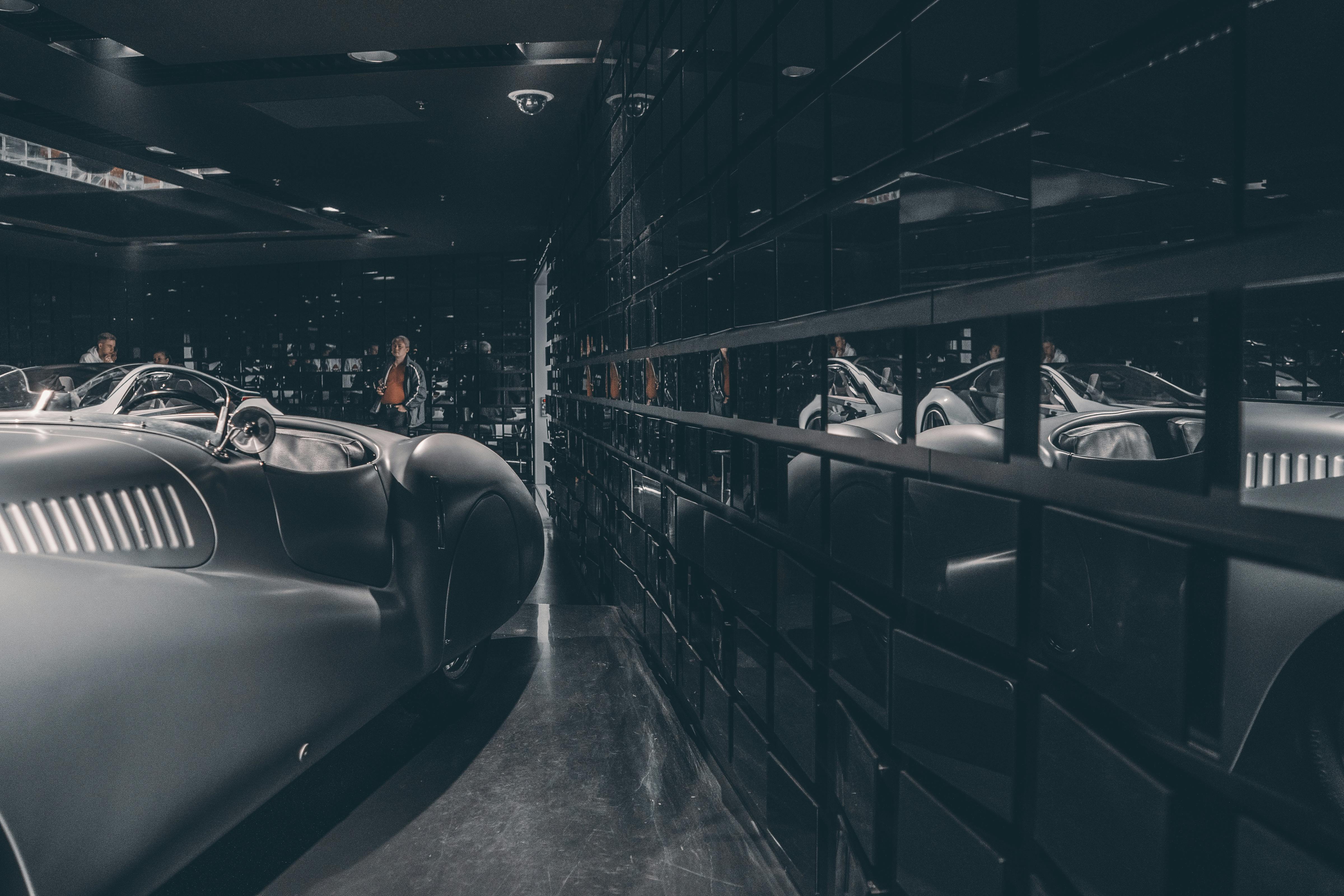
The most successful luxury automotive showrooms in Dubai understand a fundamental truth: the environment sells the dream before the salesperson speaks a single word. Premium vehicle display spaces function as carefully orchestrated theaters where every design element supports the narrative of exclusivity, performance, and prestige.
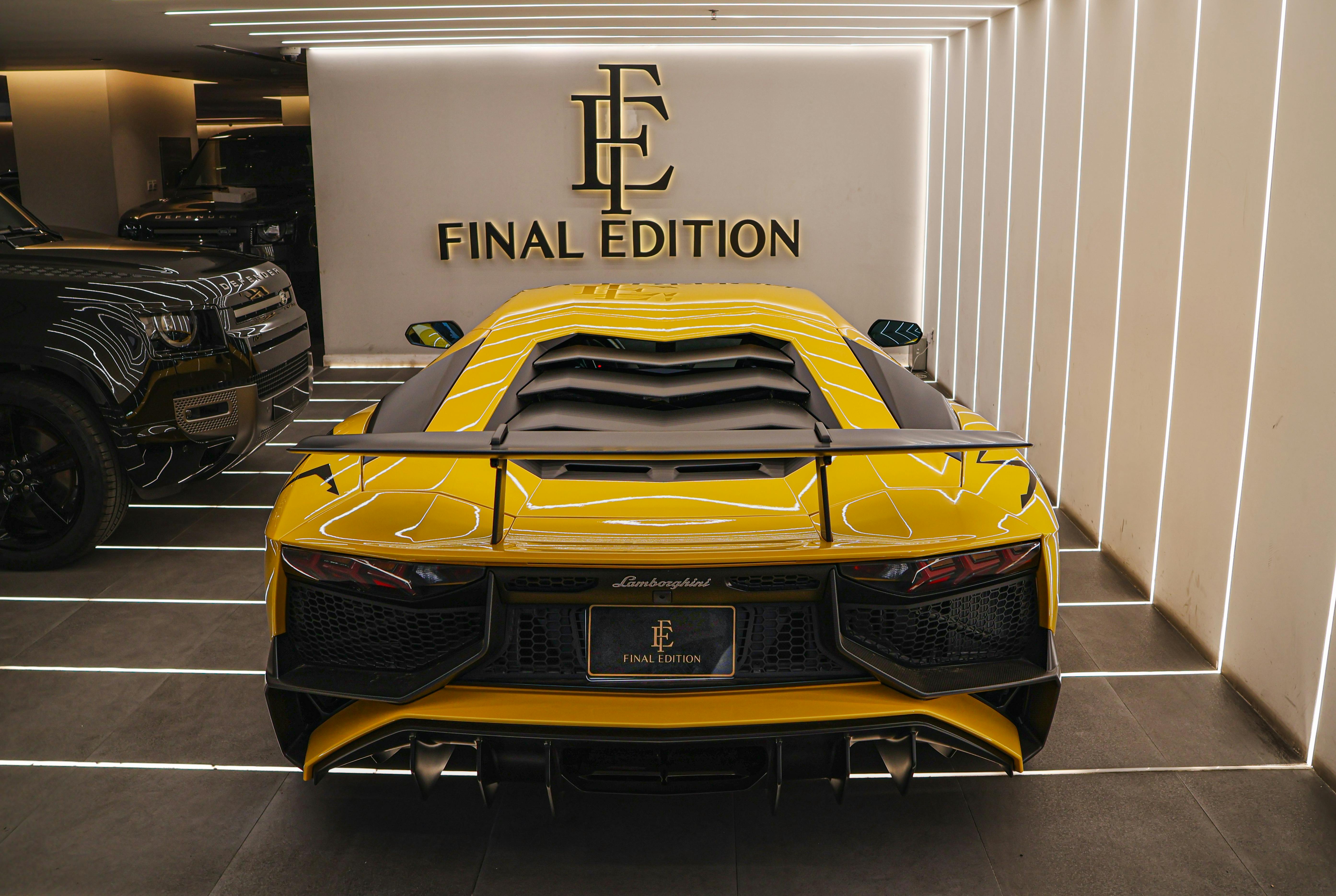

This Photo was taken by Crz .
Leading commercial design specialists recognize that automotive retail psychology operates on multiple sensory levels. The interplay of lighting, materials, spatial flow, and acoustic design creates subconscious associations that influence purchasing decisions. When a potential buyer walks into a properly designed automotive showroom, they should immediately feel the brand’s DNA resonating through every surface, texture, and sightline.
The spatial relationship between vehicles and viewers becomes critical in these environments. Unlike traditional retail spaces where products sit on shelves, luxury automotive showrooms present vehicles as sculptural masterpieces. Each car requires its own stage, complete with dramatic lighting that highlights curves, surfaces, and engineering details. The negative space around each vehicle becomes as important as the vehicle itself, creating breathing room that allows customers to appreciate the craftsmanship from multiple angles.
Contemporary automotive showroom design in Dubai draws inspiration from museum curation principles. Just as Dubai luxury art gallery interior design emphasizes the relationship between artwork and viewing experience, automotive spaces must balance reverence for the vehicles with practical considerations like customer circulation, sales consultation areas, and service integration.
The neuroscience of automotive desire
Research from luxury retail psychology indicates that high-net-worth automotive purchases involve complex emotional triggers that extend far beyond rational decision-making processes. Elite commercial design specialists leverage this understanding by creating environments that activate what behavioral economists call “ownership visualization”—the mental process where potential buyers begin imagining themselves as owners before making purchasing commitments.
Color psychology plays a particularly sophisticated role in automotive showroom design. While many luxury retail environments rely on neutral palettes to avoid competing with products, automotive spaces can afford bolder approaches because vehicles themselves become the primary color statements. The surrounding environment should enhance rather than compete, using complementary tones that make automotive paint finishes appear more vibrant and metallic surfaces more lustrous.
Material mastery: crafting surfaces worthy of supercar adjacency
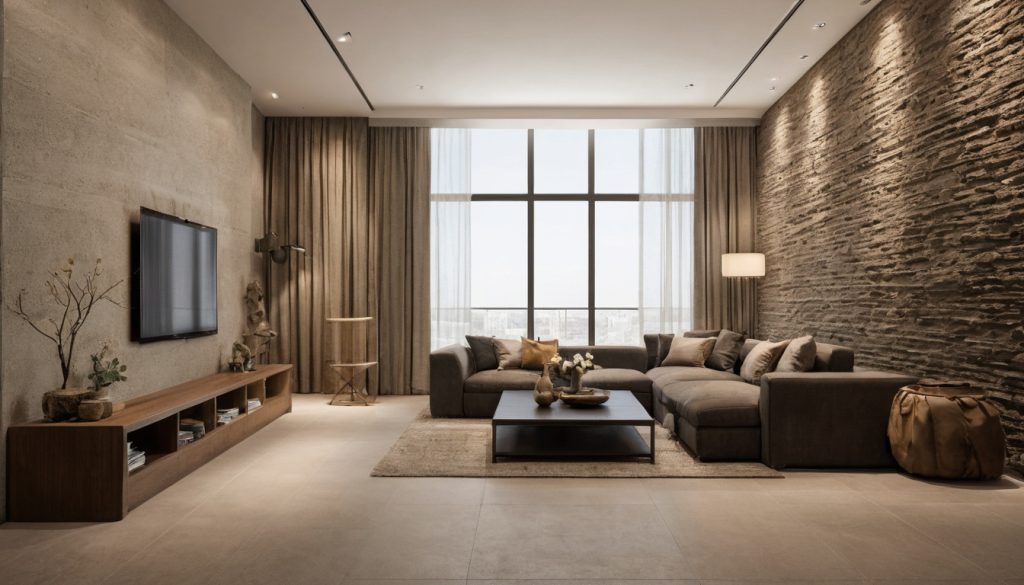
The material palette of luxury automotive showrooms must meet extraordinary standards. Every surface that shares space with million-dollar vehicles requires careful consideration of how it reflects, absorbs, or interacts with light. Premium materials create subtle conversations with automotive finishes, enhancing rather than overwhelming the primary attractions.
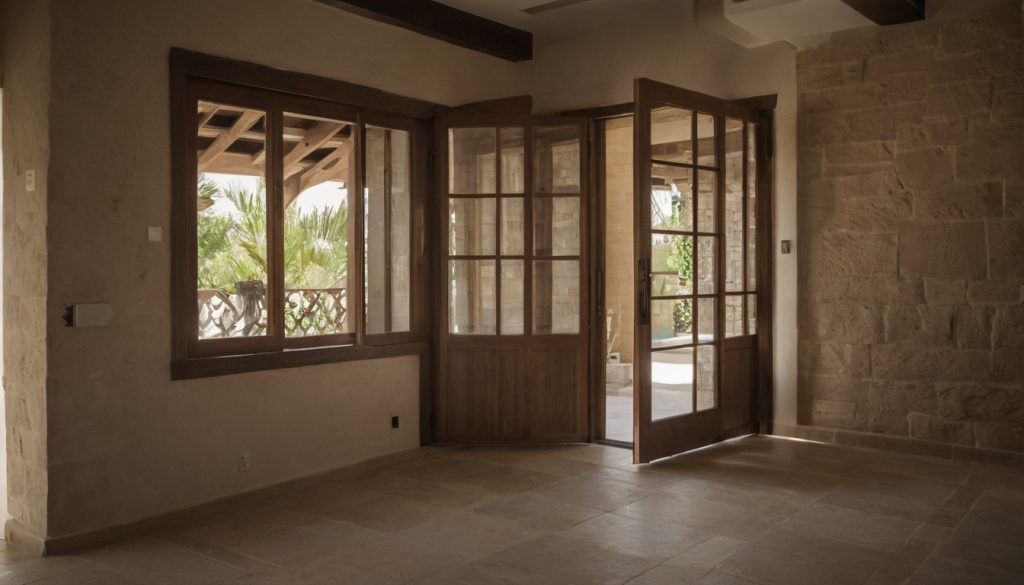
Natural stone selections for automotive showrooms differ significantly from other commercial applications. Designers favor materials with subtle veining patterns that won’t create visual competition with vehicle details. Calacatta marble, with its distinctive but restrained veining, provides elegance without distraction. Alternatively, engineered stones offer consistency and durability while maintaining the luxury aesthetic demanded by high-end automotive brands.
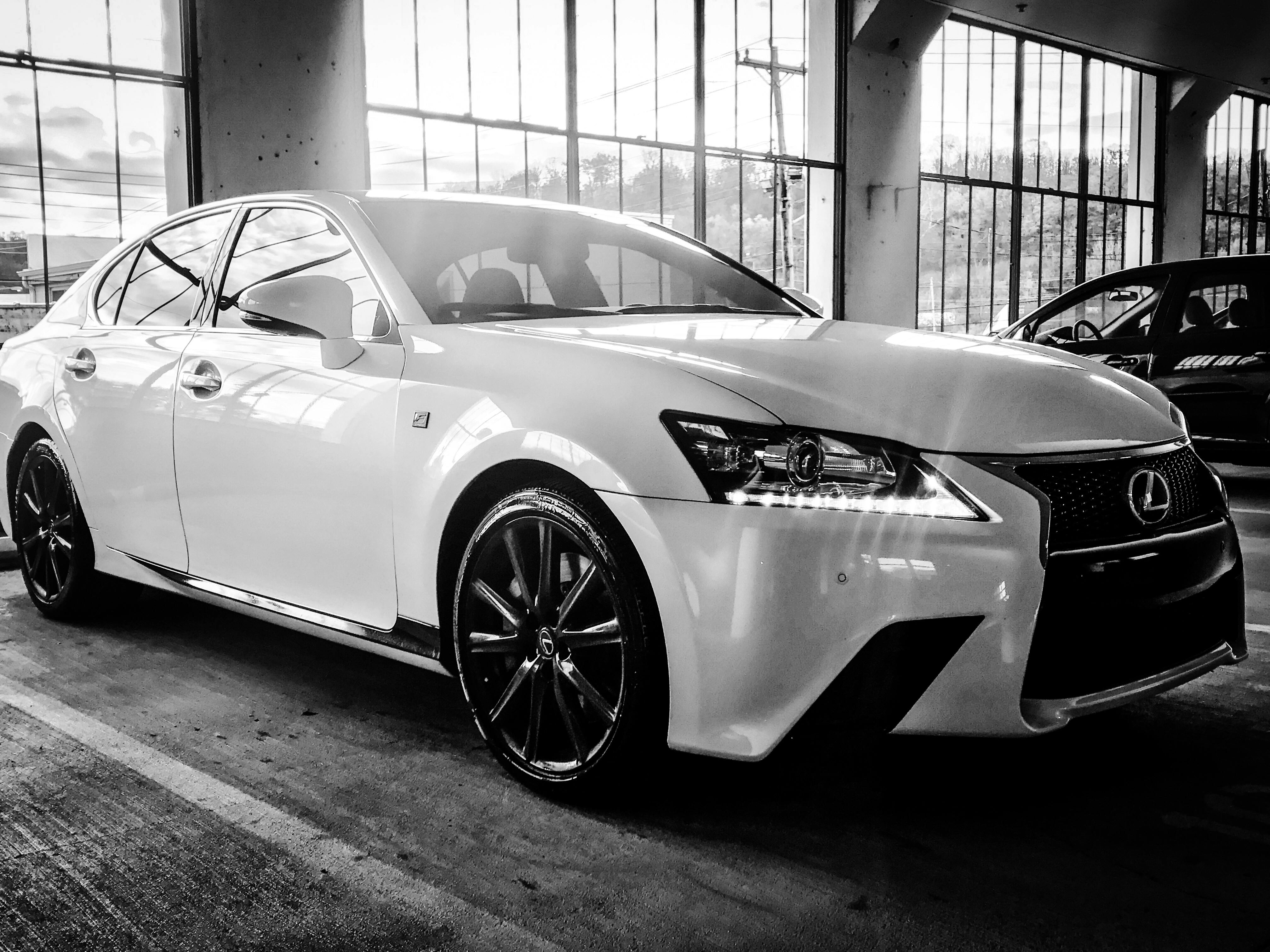

This Photo was taken by Brice
Metal finishes require particular expertise in automotive environments. Brushed stainless steel, when properly specified and installed, creates subtle reflections that enhance automotive chrome and polished surfaces. Bronze and brass accents, increasingly popular in 2025 luxury commercial design, provide warmth while maintaining the sophisticated edge required for supercar presentation.
Flooring solutions for automotive showrooms balance aesthetic impact with practical performance. Polished concrete, when sealed with high-performance coatings, provides the industrial elegance that complements modern automotive design while offering the durability necessary for vehicle movement and display changes. Alternative approaches include large-format porcelain tiles that mimic natural stone but offer superior stain resistance and easier maintenance.
Textile integration in automotive retail environments
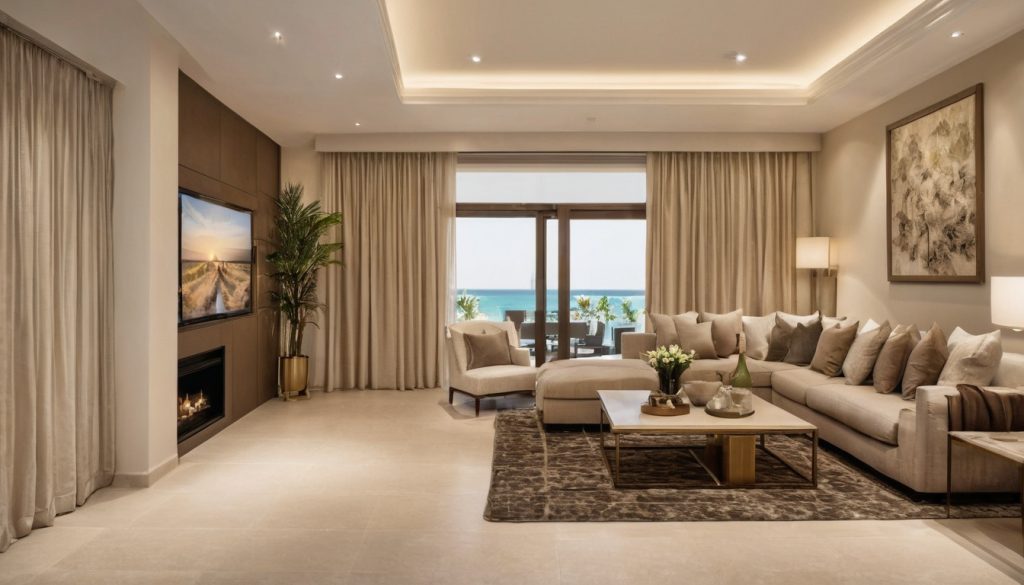
While hard surfaces dominate automotive showroom design, strategic textile integration creates essential comfort zones for extended customer consultations. The challenge lies in selecting fabrics that maintain luxury standards while withstanding the unique environmental conditions of automotive retail spaces.
Premium leather selections for seating areas should complement rather than compete with automotive interior materials. Many successful showrooms specify leather grades that mirror those used in their featured vehicles, creating subconscious material continuity throughout the customer experience. This approach requires close collaboration with vehicle manufacturers to understand upcoming interior design directions and specify complementary materials accordingly.
Sound absorption becomes critical in automotive environments where engine sounds, conversation, and ambient noise must be carefully managed. Acoustic panels integrated into wall systems provide necessary sound control while maintaining visual sophistication. These solutions often incorporate perforated metal faces with acoustic backing, creating surfaces that appear purely decorative while serving essential functional purposes.
Illumination excellence: lighting systems that honor automotive craftsmanship
Lighting design represents perhaps the most critical technical challenge in luxury automotive showroom development. Every lighting decision affects how vehicles appear, how customers feel, and how brand identity translates through the physical environment. The complexity increases exponentially when considering the variety of automotive finishes, from matte paint systems to highly reflective chrome details.
Professional automotive lighting requires multiple layers working in coordination. Ambient lighting establishes overall space mood and visibility levels. Task lighting focuses attention on specific vehicle features or sales consultation areas. Accent lighting creates dramatic highlights that emphasize automotive design elements. Each layer requires precise control over intensity, color temperature, and beam characteristics.
| Lighting Application | Recommended Color Temperature | Intensity Level (Lux) | Primary Purpose |
|---|---|---|---|
| Vehicle Display | 4000K-5000K | 800-1200 | Accurate color rendering |
| Customer Circulation | 3000K-4000K | 300-500 | Comfortable navigation |
| Sales Consultation | 3000K-3500K | 500-700 | Relaxed conversation |
| Detail Highlighting | 5000K-6500K | 1000-1500 | Feature emphasis |
Track lighting systems provide the flexibility essential for automotive retail environments where vehicle positions change regularly. High-quality track systems allow precise positioning and aiming of individual fixtures while maintaining clean ceiling lines. The track infrastructure should be planned to accommodate various vehicle sizes and display configurations without requiring electrical modifications.