The ultra-wealthy no longer view wellness as a luxury—they see it as an essential investment in their most valuable asset: themselves. In Dubai’s exclusive residential enclaves, where privacy commands premium prices and personal sanctuaries define true luxury, the traditional spa visit has evolved into something far more sophisticated. The question isn’t whether you can afford a world-class wellness experience, but whether you can afford to compromise your well-being by settling for anything less than a perfectly curated at-home spa sanctuary.
Today’s discerning homeowners are discovering that the most transformative wellness experiences happen not in crowded resort spas or bustling wellness centers, but within the intimate confines of their private residences. This shift represents more than mere convenience—it’s a fundamental reimagining of how luxury living integrates holistic well-being into daily life.
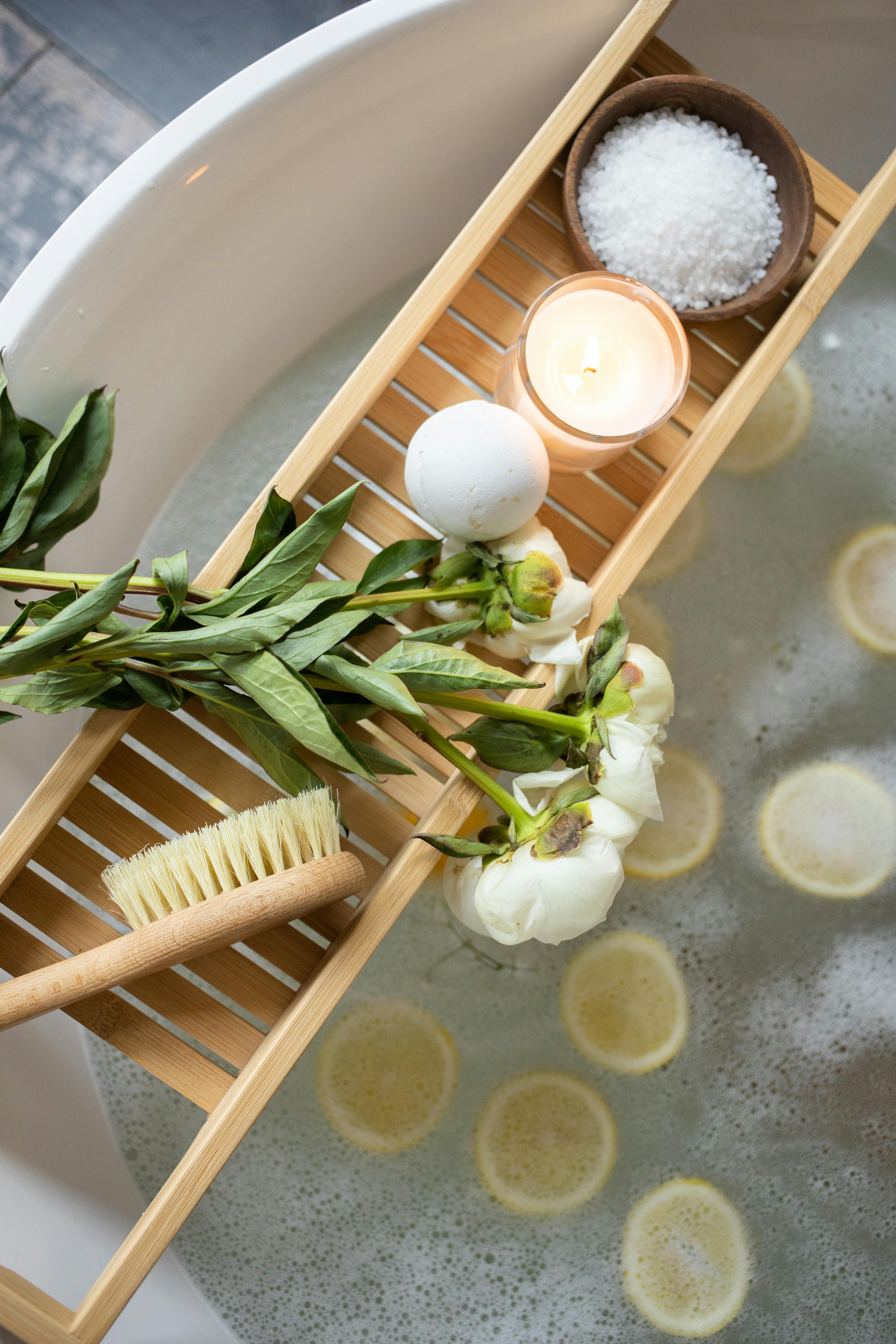
This Photo was taken by Monstera Production.
The revolution in residential wellness architecture
Dubai’s residential spa design landscape has transformed dramatically in 2025, driven by ultra-high-net-worth individuals who refuse to compromise between privacy and premium wellness experiences. The city’s premier design specialists are crafting spaces that rival—and often surpass—the world’s most exclusive destination spas, all within the sanctuary of private homes.
This evolution stems from a fundamental understanding: true wellness requires consistency, personalization, and absolute privacy. When you can access therapeutic treatments, meditation spaces, and rejuvenation facilities without leaving your residence, you eliminate the barriers that typically interfere with maintaining optimal health and wellness routines.
Leading residential spa designers in Dubai report that their ultra-luxury clients are investing between $500,000 and $2.5 million in comprehensive home wellness sanctuaries. These aren’t simple additions to existing homes—they’re architectural statements that seamlessly integrate advanced wellness technology with timeless design principles.
Understanding the psychology of private wellness spaces
The most successful residential spa designs recognize that wellness begins with psychological comfort. Premier design specialists focus intensively on creating environments that trigger immediate relaxation responses—spaces where stress dissipates the moment you cross the threshold.
This psychological foundation relies on careful manipulation of sensory elements: lighting that mimics natural circadian rhythms, acoustics that eliminate outside distractions, aromatherapy systems that deliver personalized scent experiences, and spatial proportions that promote feelings of safety and tranquility.
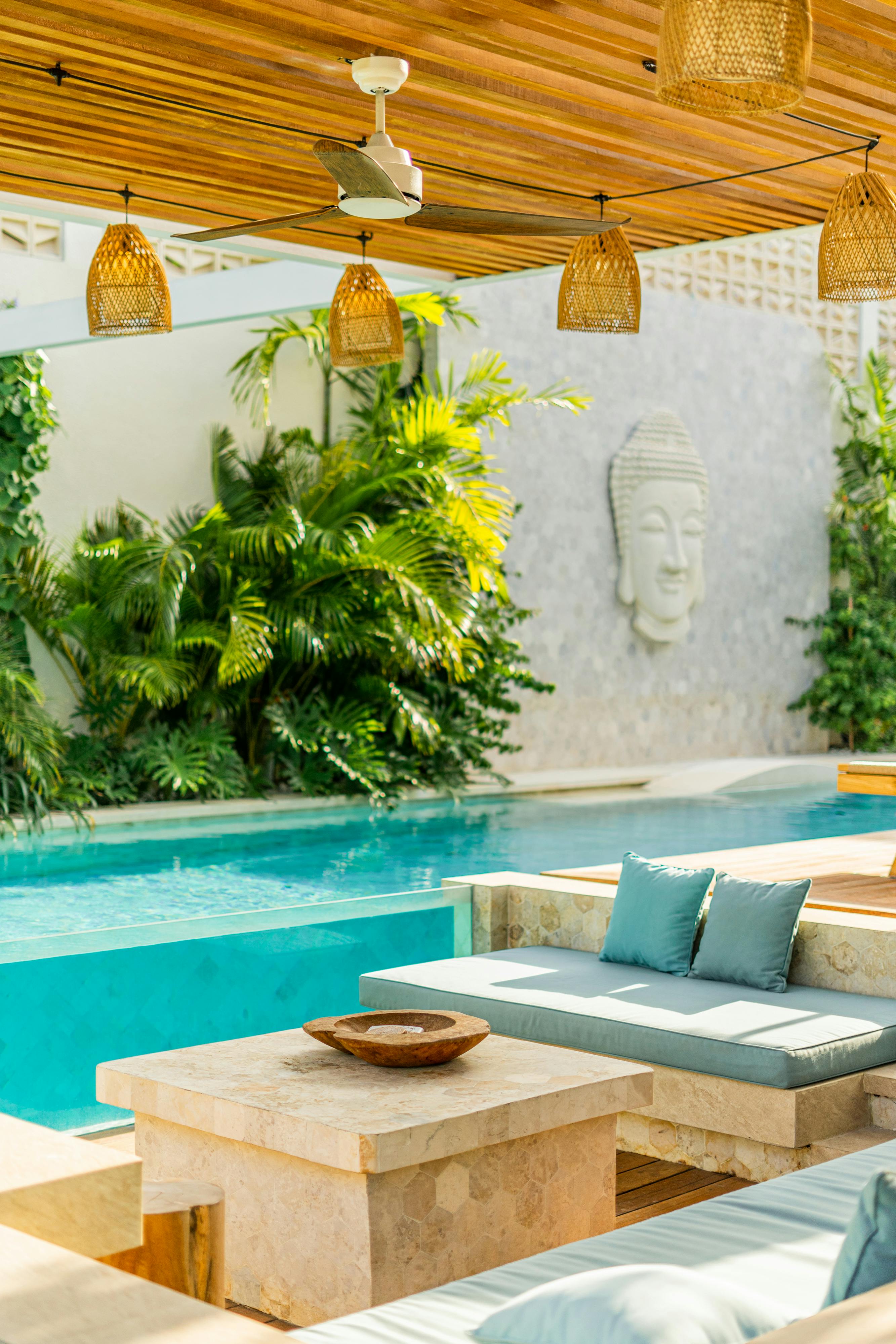
This Photo was taken by Damm aaaa.
Essential design elements for premium home spa sanctuaries
Creating an exceptional residential spa requires mastery of multiple design disciplines. The most successful projects integrate architectural excellence, advanced building systems, premium materials, and cutting-edge wellness technology into cohesive environments that feel both luxurious and therapeutically effective.
Spatial planning and circulation design
The journey through a private spa sanctuary begins long before you reach the treatment rooms. Expert designers create carefully choreographed sequences of spaces that gradually separate you from daily concerns while preparing your mind and body for renewal.
This typically begins with a discrete entrance that provides complete privacy from the main residence. The transition space—often featuring water elements, soft lighting, and aromatic plants—serves as a decompression chamber where external stresses begin to dissolve.
From there, the spatial sequence unfolds logically: changing areas with heated floors and premium textiles, preparation spaces for body treatments, temperature-controlled pools or hydrotherapy facilities, and ultimately, private treatment rooms designed for specific wellness modalities.
Advanced climate and environmental control systems
Dubai’s extreme climate presents unique challenges for residential spa design. Premier specialists address these through sophisticated environmental control systems that maintain optimal temperature, humidity, and air quality regardless of external conditions.
| Environmental Factor | Optimal Range | Control Technology |
|---|---|---|
| Temperature | 22-26°C | Zone-controlled HVAC with radiant heating |
| Humidity | 45-55% | Advanced dehumidification systems |
| Air Quality | HEPA filtration | Multi-stage purification with UV sterilization |
| Noise Level | <30 decibels | Acoustic insulation and white noise systems |
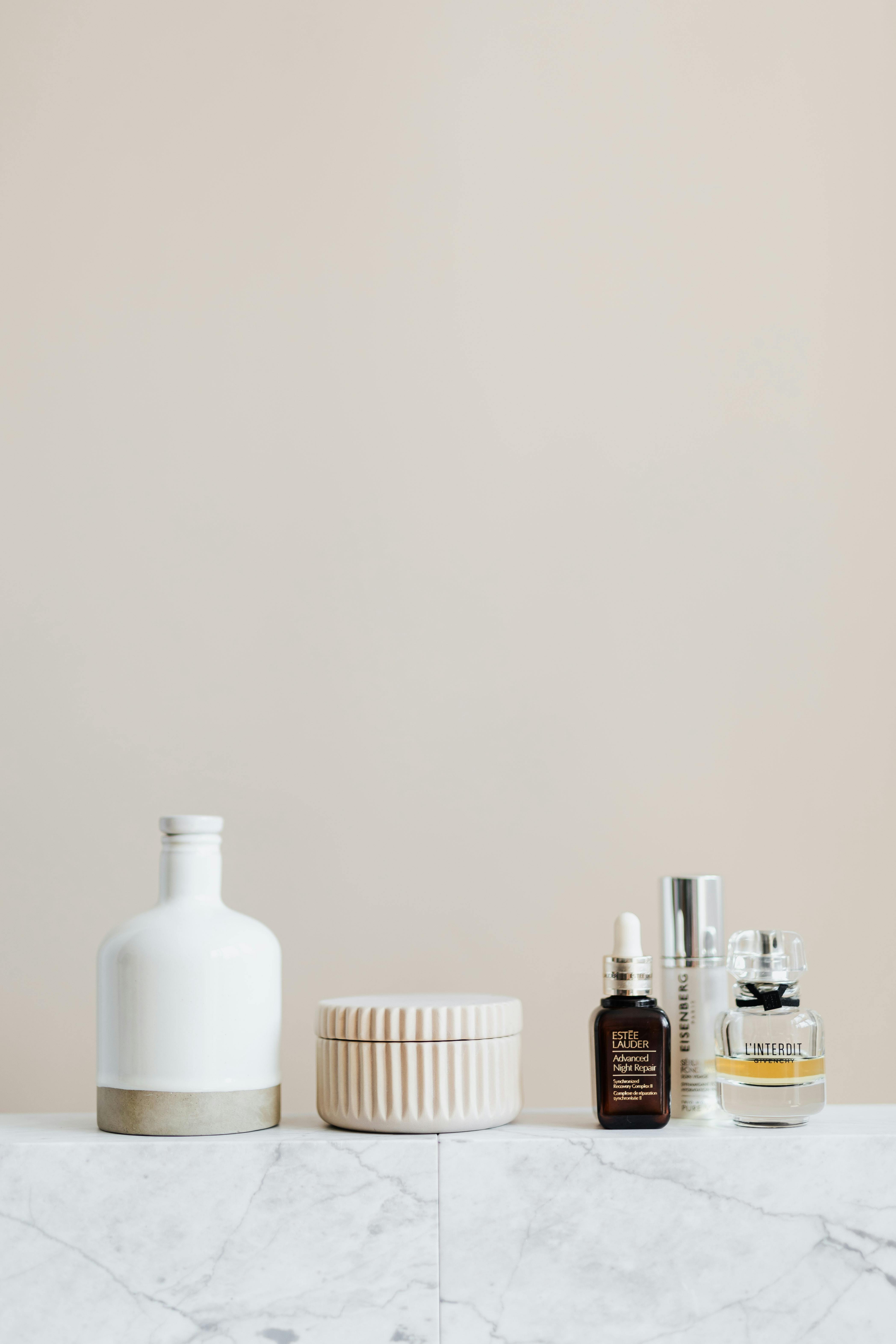
This Photo was taken by Karola G.
Hydrotherapy and water feature integration
Water remains central to virtually every premium spa experience, but residential applications require specialized approaches that account for maintenance, privacy, and year-round usability in Dubai’s climate.
Leading designers integrate multiple water experiences: therapeutic pools maintained at precise temperatures for aquatic therapy, rainfall systems for cleansing rituals, steam chambers with aromatherapy capabilities, and ice baths for contrast therapy and recovery protocols.
The technical complexity of these systems demands expertise in waterproofing, filtration, chemical balance, and energy efficiency. The most sophisticated installations include automated maintenance systems that ensure optimal water quality with minimal intervention.
Material selection and sensory design principles
Premium residential spa design relies heavily on materials that engage multiple senses while providing durability and easy maintenance. The most successful projects balance natural elements—stone, wood, and water—with advanced synthetic materials that offer superior performance characteristics.
Natural stone and mineral applications
Natural stone serves both aesthetic and therapeutic functions in luxury spa environments. Beyond visual appeal, certain stones offer genuine wellness benefits: heated marble surfaces for muscle relaxation, salt cave walls for respiratory health, and gemstone inlays that some clients believe provide energetic benefits.
Premier designers source stones globally, selecting materials based on both beauty and functional properties. Travertine and limestone provide natural cooling effects ideal for Dubai’s climate, while volcanic stones can be heated for therapeutic applications.
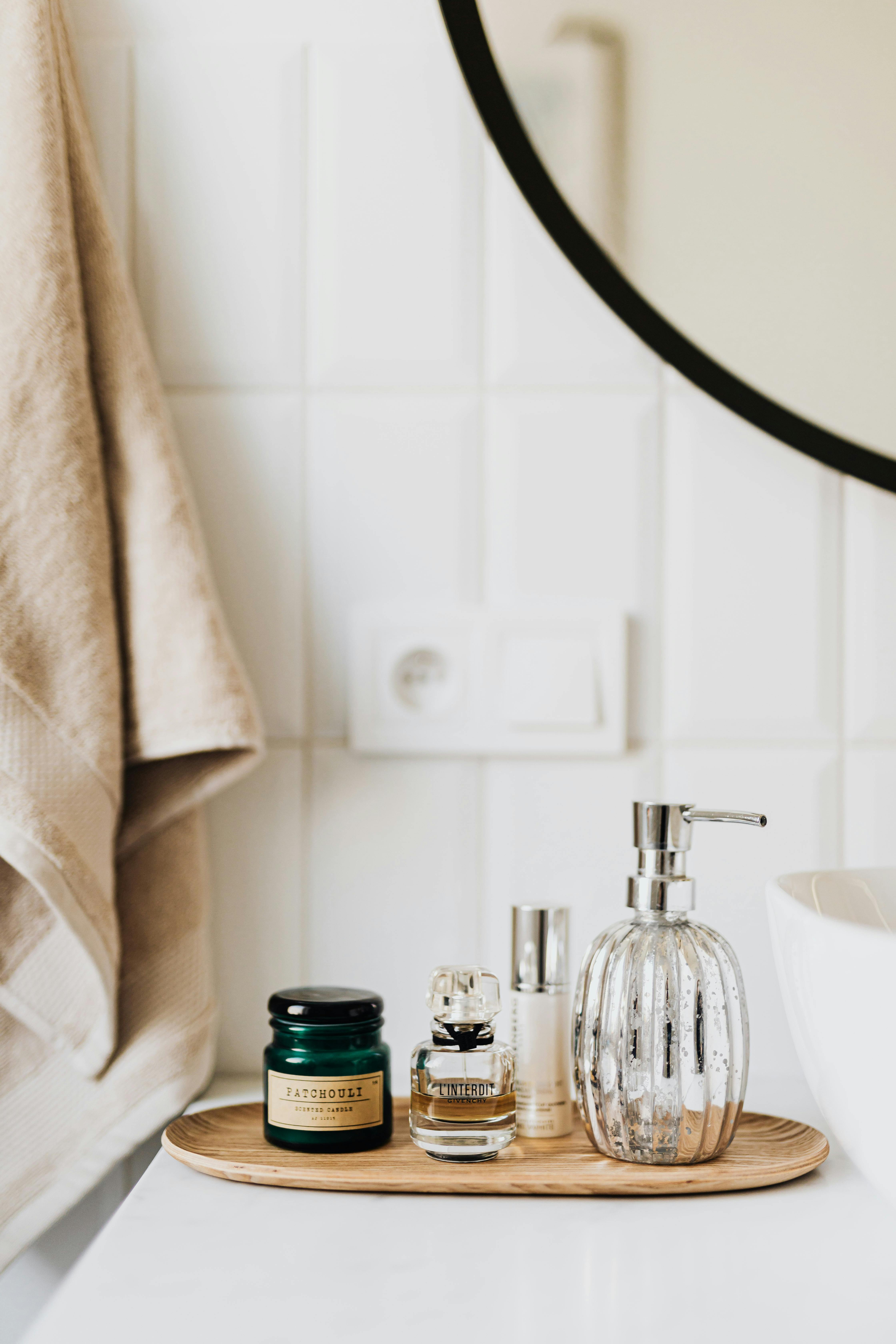
This Photo was taken by Karola G.
Advanced textile and comfort integration
Textile selection in residential spas goes far beyond aesthetics. Premium fabrics must withstand high humidity environments while providing exceptional comfort and easy maintenance. The most sophisticated installations feature custom-woven materials treated with antimicrobial coatings and stain-resistant technologies.
Heated towel systems, temperature-controlled seating, and adjustable support systems ensure that every surface contact enhances rather than detracts from the wellness experience. Many designers incorporate smart textiles that respond to body temperature and adjust their properties accordingly.
Technology integration for personalized wellness experiences
The most advanced residential spas leverage technology to create highly personalized wellness experiences that adapt to individual preferences and health goals. This integration extends far beyond simple automation to encompass biometric monitoring, treatment customization, and predictive wellness analytics.
Biometric monitoring and environmental response systems
Cutting-edge residential spas incorporate sensors that monitor heart rate, stress levels, and other biometric indicators to automatically adjust environmental conditions. These systems can modify lighting, temperature, music, and aromatherapy based on real-time physiological feedback.
Some installations include advanced sleep monitoring systems that track recovery patterns and adjust subsequent spa protocols to optimize rest and rejuvenation. Dubai luxury wellness centers are pioneering these integrations, and the technology is rapidly adapting to residential applications.
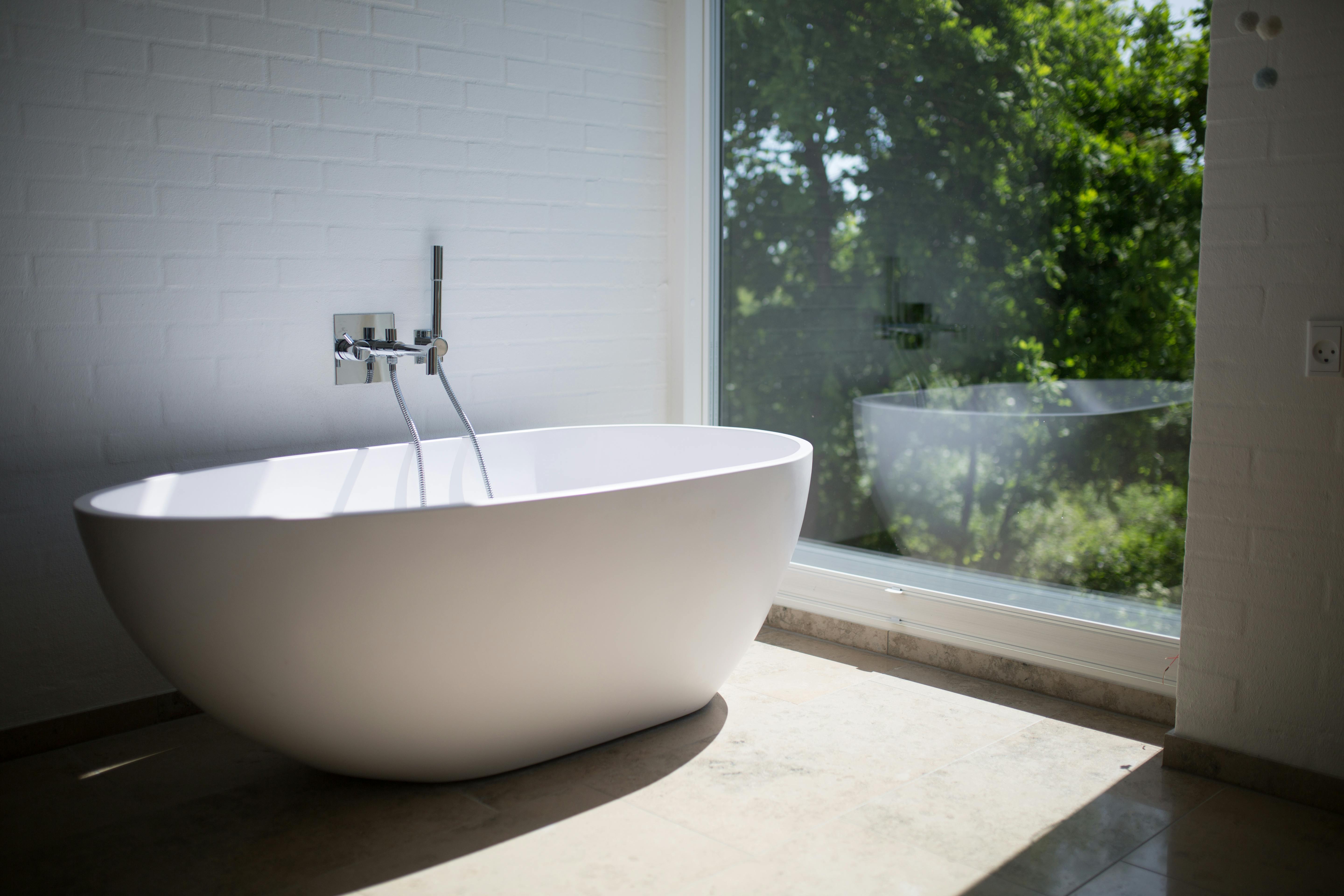
This Photo was taken by Rene Terp.
Audio and visual experience design
Premium spa environments require sophisticated audio-visual systems that can create immersive experiences while remaining completely invisible during use. The best installations feature speakers integrated into walls and ceilings, delivering crystalline sound without visible hardware.
Visual elements extend beyond traditional lighting to include projection systems that can transform spaces with natural imagery, programmable LED systems that support chromotherapy protocols, and even virtual reality capabilities for guided meditation and visualization exercises.
Specialized treatment room design and functionality
Different wellness modalities require specifically designed environments to maximize therapeutic effectiveness. Premier residential spa designers create dedicated spaces optimized for massage therapy, facial treatments, meditation practices, fitness recovery, and alternative healing modalities.
Massage and bodywork therapy spaces
Professional-grade massage rooms require careful attention to practitioner ergonomics, client comfort, and environmental control. The most successful designs feature adjustable lighting systems, premium ventilation to manage oils and lotions, heated surfaces, and storage solutions for therapeutic supplies.
Many high-end installations include couples treatment rooms that allow partners to share wellness experiences, as well as specialized rooms for practices like Thai massage that require additional floor space and flexibility.
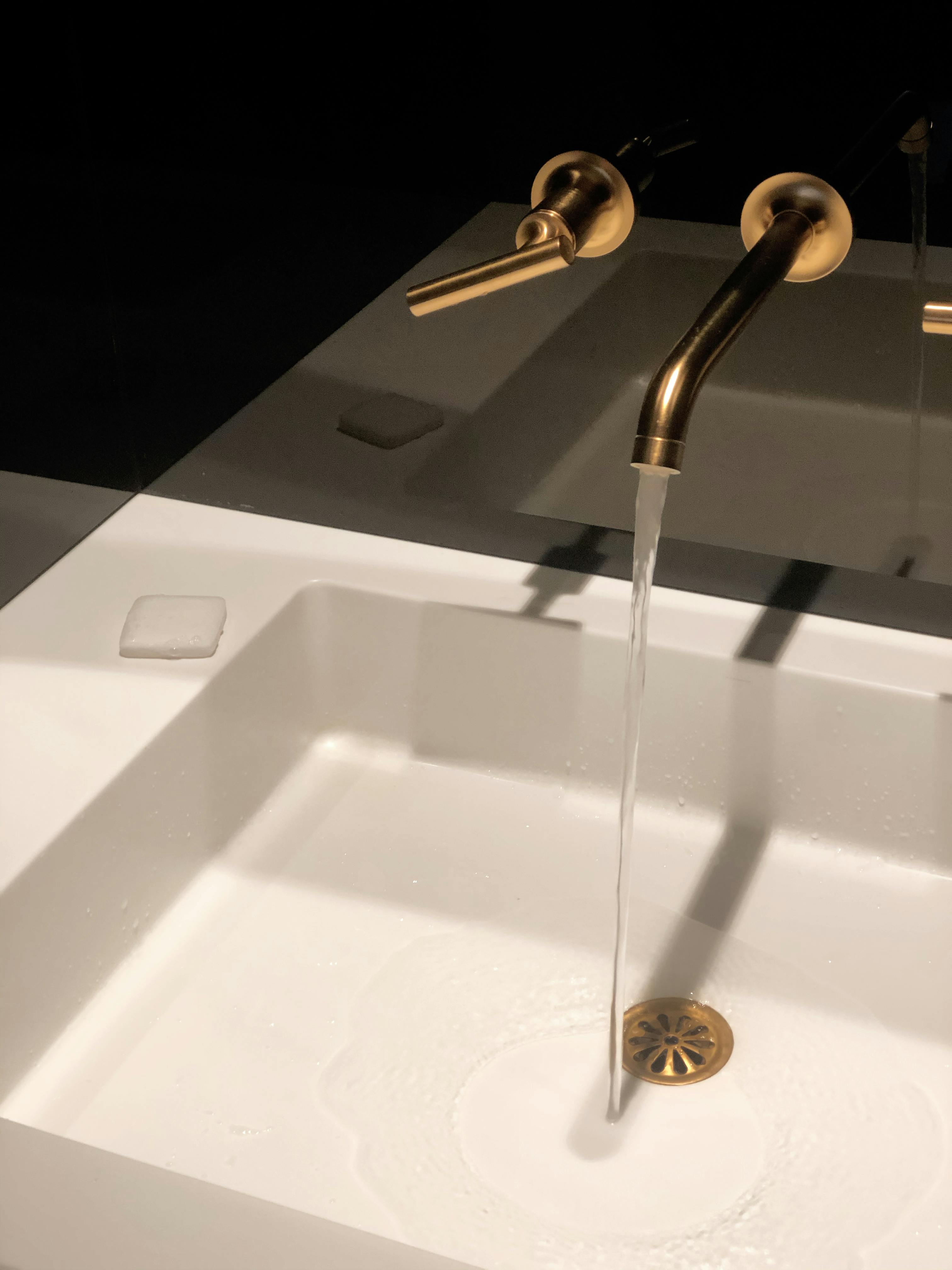
This Photo was taken by vitalina.
Meditation and mindfulness sanctuaries
Dedicated meditation spaces represent some of the most challenging design problems in residential spa projects. These rooms must achieve perfect acoustic isolation while maintaining connection to natural elements. Many successful designs incorporate water features, carefully controlled natural lighting, and materials selected for their acoustic properties.
The most advanced meditation rooms include specialized flooring systems that provide optimal support for extended sitting, programmable environmental controls that support different meditation practices, and even electromagnetic shielding for clients concerned about electronic interference with their practice.
Integrating spa design with existing residential architecture
The most successful residential spa projects seamlessly integrate with existing home architecture rather than appearing as obvious additions. This requires deep understanding of the property’s architectural language, circulation patterns, and lifestyle requirements.
Connectivity and privacy balance
Premium spa spaces must feel connected to the main residence while providing complete privacy during use. Expert designers achieve this through careful placement, sophisticated sound isolation, and visual barriers that preserve sightlines while ensuring confidentiality.
Many projects include private gardens or courtyards that extend the spa experience into outdoor environments. These spaces often feature heated pools, outdoor shower systems, and meditation gardens that take advantage of Dubai’s excellent winter weather. Similar integration principles apply to luxury villa designs where wellness spaces complement rather than compete with primary living areas.
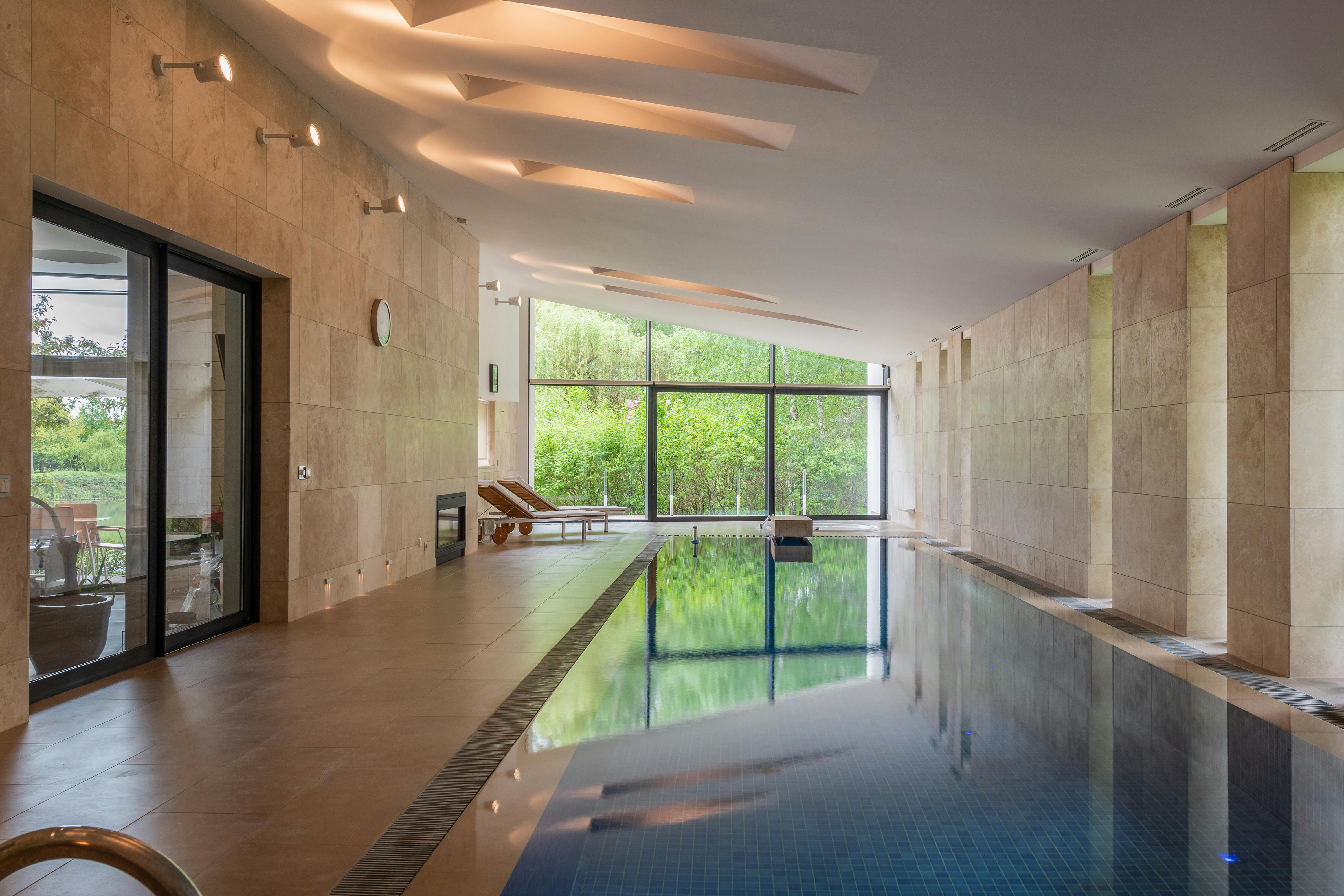
This Photo was taken by Max Vakhtbovycn.
Service and maintenance considerations
Residential spas require extensive support systems for cleaning, maintenance, and supply management. The best designs include discrete service areas with separate entrances, storage systems for linens and supplies, and maintenance access that doesn’t disrupt client areas.
Many installations feature centralized control systems that monitor equipment performance, water quality, and environmental conditions, alerting maintenance staff to potential issues before they affect the wellness experience.
Sustainable design and wellness technology convergence
Leading residential spa designers increasingly focus on sustainability as both an environmental imperative and a wellness enhancement. Sustainable systems often provide superior indoor air quality, more natural lighting patterns, and reduced exposure to harmful chemicals—all of which support better health outcomes.
Energy efficiency and renewable integration
Premium spa facilities consume significant energy for heating, cooling, water treatment, and lighting. The most advanced installations incorporate solar heating systems, geothermal cooling, LED lighting with circadian rhythm programming, and heat recovery ventilation that maintains air quality while minimizing energy waste.
Some projects include battery storage systems that ensure uninterrupted operation during power outages, maintaining the climate control and water treatment systems essential for spa functionality.
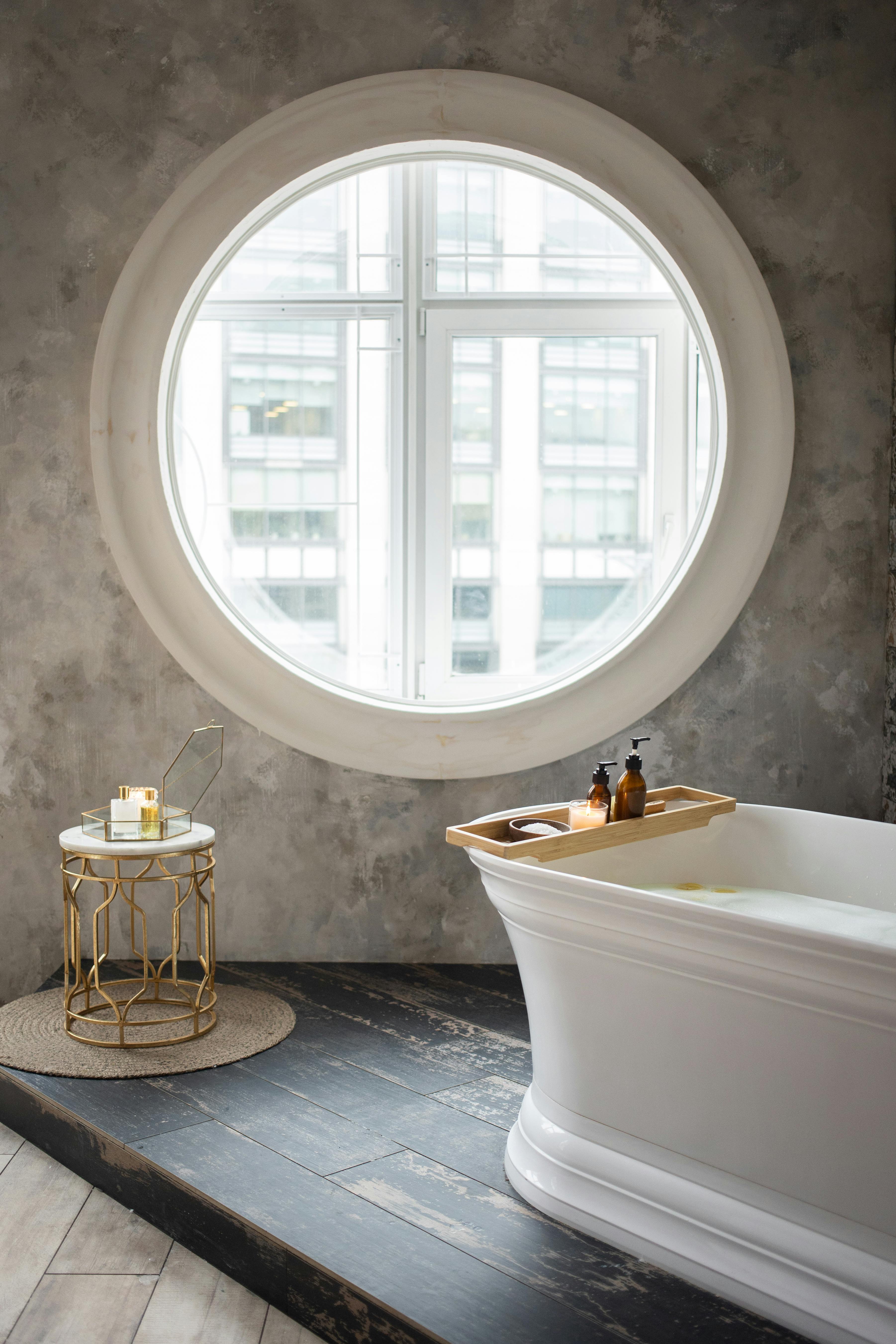
This Photo was taken by Monstera Production.
Water conservation and treatment systems
Dubai’s water scarcity makes conservation critical in spa design. Advanced systems recycle and purify water through multiple stages, often achieving near-zero waste in normal operation. Greywater recycling systems can redirect treated spa water to landscape irrigation, while rainwater collection systems supplement water supplies during Dubai’s brief rainy periods.
The most sophisticated installations feature closed-loop systems that continuously filter and purify spa water, maintaining optimal quality while minimizing fresh water consumption.
Cost considerations and investment planning
Residential spa projects represent significant investments that require careful planning and realistic budgeting. Understanding cost factors helps ensure projects deliver maximum value while avoiding common pitfalls that can dramatically increase expenses.
Budget allocation and priority setting
Successful spa projects typically allocate budgets across several major categories: architectural modification (20-30%), mechanical systems (25-35%), premium finishes and materials (20-30%), technology integration (10-15%), and furnishing and equipment (10-20%).
The most cost-effective approach prioritizes systems that deliver the greatest wellness impact: environmental control, water treatment, and lighting typically provide better returns on investment than purely aesthetic elements. However, the psychological impact of premium materials and beautiful design shouldn’t be underestimated—these elements often determine whether the space feels truly luxurious or merely expensive.
| Investment Level | Typical Budget Range | Key Features |
|---|---|---|
| Premium | $500K – $1M | Professional treatment rooms, hydrotherapy, basic automation |
| Ultra-Luxury | $1M – $2M | Multiple treatment spaces, advanced technology, outdoor integration |
| Bespoke | $2M+ | Custom everything, resort-level amenities, cutting-edge wellness tech |
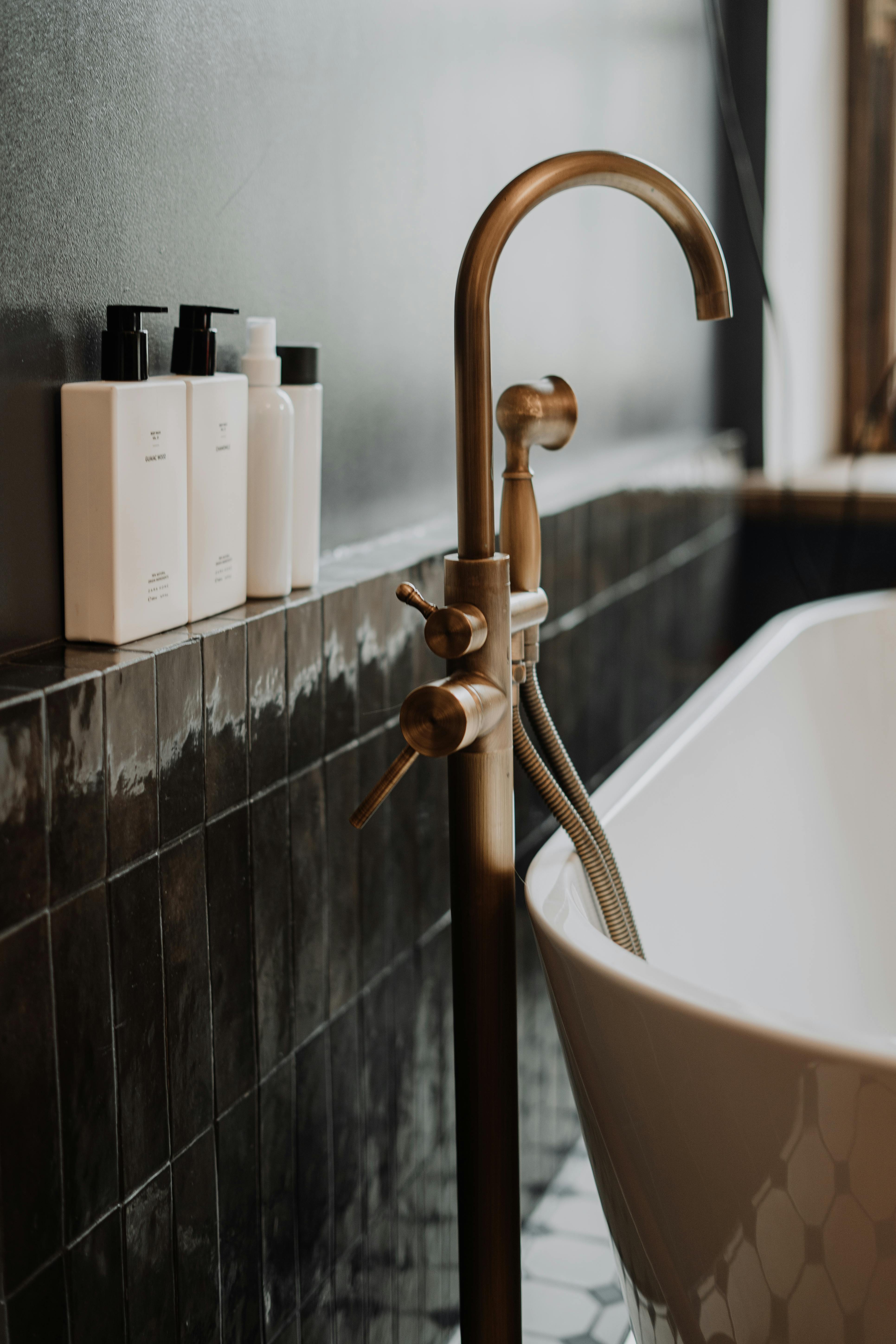
This Photo was taken by cottonbro studio.
Long-term value and maintenance planning
Premium residential spas require ongoing maintenance that can represent 5-10% of initial investment annually. This includes water treatment, equipment servicing, material preservation, and technology updates. The most successful projects include comprehensive maintenance planning from the design phase, ensuring that operational costs remain manageable.
Many owners find that well-designed residential spas provide excellent return on investment through reduced healthcare costs, eliminated commercial spa expenses, and significant property value increases. Luxury furnishing investments in spa spaces often appreciate similarly to fine art, particularly when specified by recognized designers.
Working with premier residential spa design specialists
Creating exceptional residential spa environments requires collaboration with specialists who understand both luxury design principles and advanced wellness technologies. The most successful projects involve teams that include architects, wellness consultants, technology integrators, and specialized contractors.
Designer selection and collaboration processes
Premier residential spa designers typically maintain portfolios demonstrating experience with similar projects, technical expertise in building systems, relationships with specialized suppliers, and understanding of wellness principles beyond mere aesthetics.
The design process usually begins with comprehensive lifestyle analysis to understand how the spa will integrate with daily routines, health goals, and family dynamics. This analysis informs every subsequent design decision, from spatial planning to technology selection.
Many top designers maintain relationships with wellness practitioners who can provide input on treatment room requirements, equipment specifications, and operational considerations that ensure the finished space functions as effectively as it appears.
Project management and quality assurance
Residential spa projects involve complex coordination between multiple trades and specialists. Premier designers typically provide comprehensive project management services that ensure quality standards are maintained throughout construction.
The most sophisticated projects include extensive testing and commissioning processes that verify all systems function properly before client handover. This includes water quality testing, environmental monitoring, technology integration verification, and often a period of supervised operation to ensure everything works as intended.
This Photo was taken by Karola G.
Frequently asked questions about residential spa design
How much space is required for a comprehensive residential spa?
Minimum functional residential spas require approximately 800-1200 square feet, while comprehensive facilities typically need 1500-3000 square feet. The most elaborate installations can exceed 5000 square feet when including pools, multiple treatment rooms, and extensive support areas.
What ongoing maintenance do residential spas require?
Daily maintenance includes water testing and chemical balancing, equipment monitoring, and general cleaning. Weekly tasks involve deep cleaning, filter maintenance, and system checks. Monthly maintenance covers equipment servicing, material care, and comprehensive system inspections. Annual costs typically range from $25,000 to $75,000 depending on facility complexity.
Can residential spas be added to existing homes?
Yes, though complexity varies significantly based on existing architecture, available space, and infrastructure capacity. Basement conversions often work well, while additions require careful integration with existing design. Infrastructure upgrades for electrical, plumbing, and HVAC systems represent major cost factors in retrofit projects.
How do residential spas affect property values?
Well-designed residential spas typically increase property values by 10-20% of project cost when executed by recognized specialists. However, overly personalized installations or those that compromise practical living spaces can negatively impact resale appeal.
What permits and approvals are required in Dubai?
Residential spa projects typically require building permits, electrical permits, plumbing permits, and sometimes special approvals for water treatment systems. Pool installations require additional safety and barrier compliance. Working with experienced designers familiar with local regulations streamlines the approval process.
How long do residential spa projects typically take to complete?
Simple installations require 3-6 months from design approval to completion. Comprehensive projects typically take 8-12 months, while the most elaborate custom installations can require 18-24 months. Time requirements depend heavily on architectural complexity, permit processing, and custom equipment lead times.
The future of personalized wellness sanctuaries
As we move through 2025, residential spa design continues evolving toward increasingly personalized, technology-enabled wellness experiences that rival the world’s finest destination spas. The integration of artificial intelligence, advanced biometric monitoring, and sustainable technologies promises even more sophisticated home wellness environments that adapt continuously to individual health and wellness goals.
For ultra-high-net-worth individuals who view wellness as essential rather than optional, the question isn’t whether to invest in residential spa design, but how to create spaces that truly support long-term health, happiness, and personal fulfillment. The most successful projects recognize that authentic luxury lies not in obvious extravagance, but in the seamless integration of advanced wellness capabilities with beautiful, comfortable environments that enhance daily life.
The relationship between luxury residential design and personal wellness will only deepen as homeowners increasingly prioritize health as their ultimate luxury. Similarly, the principles governing exclusive private club spaces are influencing residential spa design, creating environments that feel both intimate and professionally sophisticated.
The most forward-thinking designs already incorporate spaces for emerging wellness modalities, adaptable technology platforms that can evolve with advancing capabilities, and flexible layouts that accommodate changing health priorities over time. These installations represent not just luxury amenities, but fundamental investments in the quality and longevity of life itself.
Whether you’re planning a comprehensive spa sanctuary or considering how wellness principles can enhance your existing living spaces, the key lies in working with specialists who understand that true luxury wellness design creates environments where rejuvenation happens naturally, effortlessly, and exactly according to your unique vision of optimal well-being. The future of residential wellness has arrived, and it’s more accessible, more sophisticated, and more transformative than ever before.