Dubai’s fashion retail landscape is transforming at breakneck speed, with luxury brands scrambling to create immersive experiences that transcend traditional shopping. Yet many flagship stores still trap customers in sterile, uninspiring environments that fail to capture the emotional essence of premium fashion. The difference between a mediocre boutique and a revenue-generating retail sanctuary lies in understanding the psychology of luxury consumption and translating it into spatial experiences. Elite commercial design specialists in Dubai are pioneering a new approach to fashion retail interiors that combines theatrical storytelling, sensory engagement, and cultural sophistication. This comprehensive exploration reveals how top-tier interior designers are crafting fashion spaces that don’t just display products—they create lifestyle narratives that compel customers to invest in brands emotionally and financially.
The psychology of luxury fashion retail environments
Luxury fashion retail transcends mere product display—it orchestrates emotional journeys that transform casual browsers into devoted brand ambassadors. The psychology behind high-end fashion shopping reveals that customers seek validation, exclusivity, and personal transformation when entering premium boutiques. Elite commercial design specialists understand this fundamental truth and craft environments that fulfill these deep psychological needs.
Research from the Global Luxury Institute indicates that 73% of luxury fashion purchases are driven by emotional connection rather than functional necessity. This statistic underscores why Dubai’s premier fashion retailers are investing heavily in experiential interior design. The spatial narrative must communicate brand heritage, craftsmanship excellence, and aspirational lifestyle positioning through every design element.

This Photo was taken by Peter Xie.
The concept of “retail theater” has evolved significantly since its inception. Modern luxury fashion spaces function as stages where customers become protagonists in carefully choreographed brand stories. Lighting design mimics film production techniques, creating dramatic focal points that elevate product presentation to art installation status. Material selections communicate tactile luxury—from Italian marble flooring that echoes footsteps with confidence-building authority to hand-polished brass fixtures that reflect the meticulous attention to detail customers expect from premium brands.
Color psychology plays a crucial role in fashion retail environments. Neutral palettes with strategic accent colors allow merchandise to command attention while creating a sophisticated backdrop that doesn’t compete with product aesthetics. Dubai’s leading fashion boutiques increasingly favor warm whites and soft grays as foundation colors, punctuated by brand-specific accent tones that reinforce visual identity without overwhelming the senses.
Spatial flow and customer journey mapping
Elite designers approach fashion retail spaces like master choreographers, understanding that customer movement patterns directly impact sales performance. The entrance sequence sets emotional tone and establishes brand positioning within the first five seconds of customer arrival. Wide, welcoming thresholds with impressive ceiling heights create immediate impact, while strategic product placement guides natural traffic flow toward high-margin items.
The decompression zone—the first ten feet inside the entrance—requires careful consideration in Dubai’s climate-controlled environments. Customers transitioning from outdoor heat need psychological and physical adjustment time before engaging with merchandise. Premium boutiques incorporate this transition space with signature fragrance diffusion, temperature regulation, and visual elements that gradually introduce brand aesthetics.
Technology integration in premium fashion retail spaces
The digital transformation of luxury fashion retail has accelerated dramatically, with Dubai positioning itself as a testing ground for innovative retail technologies. Elite commercial design specialists are seamlessly integrating cutting-edge technology into physical spaces without compromising the tactile, sensory experience that defines luxury shopping.
| Technology Solution | Customer Benefit | Implementation Cost | ROI Timeline |
|---|---|---|---|
| Interactive fitting mirrors | Virtual styling and size optimization | $25,000-45,000 | 12-18 months |
| RFID inventory systems | Real-time product availability | $15,000-30,000 | 6-12 months |
| Augmented reality product visualization | Enhanced product exploration | $35,000-65,000 | 18-24 months |
| Personalized lighting systems | Optimized product presentation | $20,000-40,000 | 9-15 months |
Smart mirrors represent one of the most successful technology integrations in luxury fashion retail. These interactive surfaces provide customers with styling suggestions, size recommendations, and complementary product options without requiring sales associate intervention. However, the key to successful implementation lies in making technology feel invisible and intuitive rather than intrusive or overly complex.
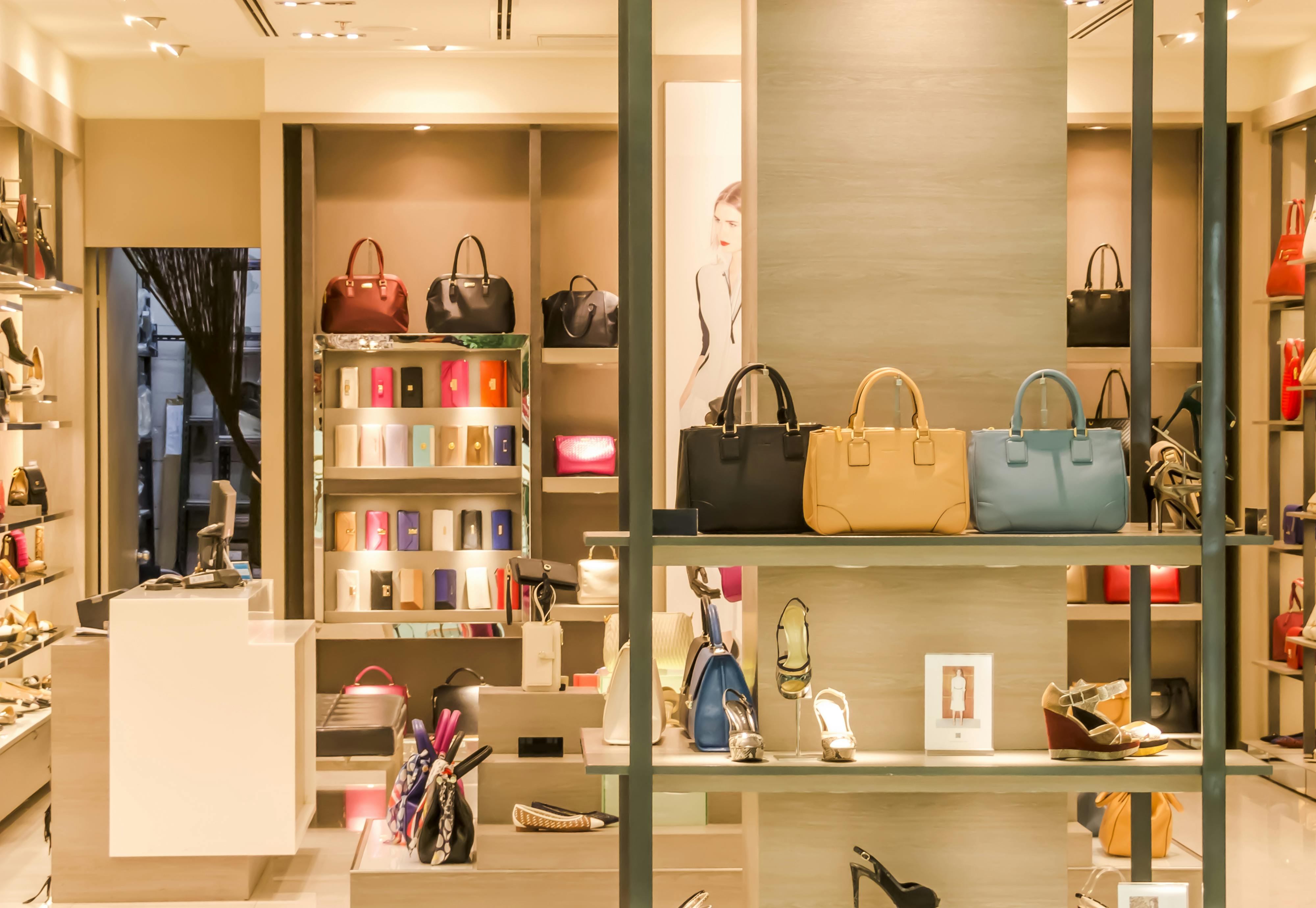
This Photo was taken by shattha pilabut.
Artificial intelligence and machine learning algorithms now power personalized shopping experiences that rival the expertise of seasoned personal shoppers. These systems analyze customer preferences, purchase history, and browsing behavior to curate individualized product recommendations. The challenge for interior designers lies in creating physical spaces that accommodate these digital interactions while maintaining the intimate, personal atmosphere that luxury customers expect.
The integration of contactless payment systems and mobile commerce platforms requires thoughtful spatial planning. Premium fashion boutiques are moving away from traditional cashier stations toward mobile point-of-sale solutions that allow transactions to occur anywhere within the space. This shift demands flexible electrical infrastructure and discrete technology mounting solutions that preserve aesthetic integrity.
Sustainable technology solutions
Environmental consciousness is increasingly important to luxury fashion consumers, particularly in Dubai’s sustainability-focused retail market. Advanced climate control systems with zone-specific temperature and humidity management protect delicate fabrics while reducing energy consumption by up to 35%. LED lighting systems with circadian rhythm adjustment capabilities enhance product presentation while minimizing environmental impact.
Smart glass technology allows for dynamic privacy control and natural light optimization without traditional window treatments. This innovation is particularly valuable in Dubai’s intense sunlight conditions, where UV protection and glare reduction are essential for preserving merchandise quality and customer comfort.
Cultural sensitivity and local design influences
Dubai’s unique position as a global fashion hub requires interior designers to balance international luxury standards with regional cultural sensitivities and local aesthetic preferences. Elite commercial design specialists must navigate the complex intersection of Western fashion retail concepts and Middle Eastern hospitality traditions to create spaces that resonate with diverse customer demographics.
The concept of majlis—traditional Arabic gathering spaces—influences modern luxury retail design through emphasis on hospitality, comfort, and social interaction. Premium fashion boutiques incorporate dedicated consultation areas with comfortable seating arrangements that encourage extended visits and relationship building between customers and sales associates. These spaces often feature traditional elements like ornate metalwork or geometric patterns reinterpreted through contemporary design language.
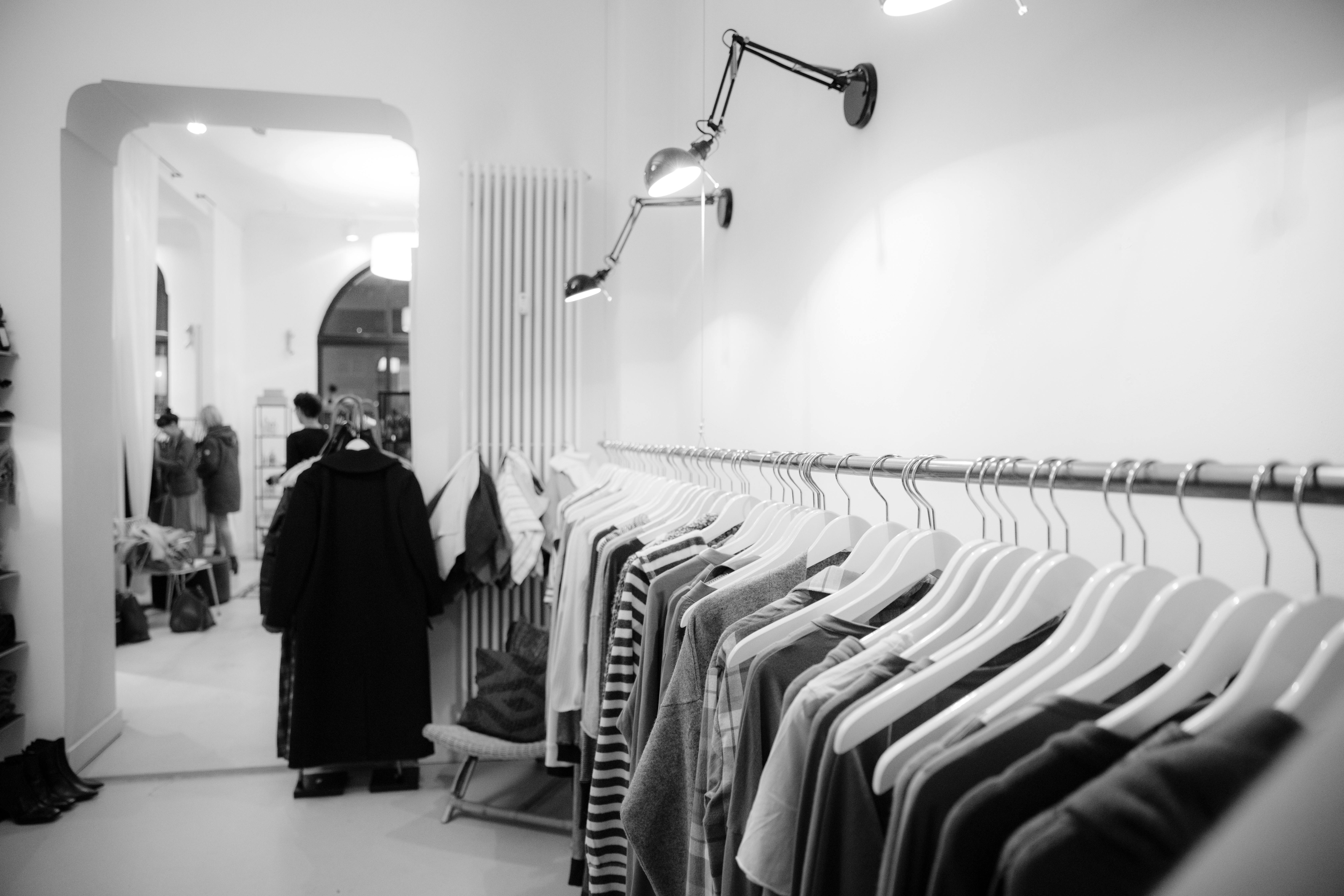
This Photo was taken by Tembela Bohle.
Privacy considerations play a crucial role in fitting room design and spatial planning. Many luxury fashion boutiques in Dubai feature private shopping suites with dedicated entrances, reflecting local preferences for discretion and exclusivity. These spaces often include private lounging areas for companions and family members, acknowledging the social nature of luxury shopping in Middle Eastern culture.
The integration of Islamic artistic traditions with contemporary fashion retail design creates unique aesthetic opportunities. Geometric patterns derived from traditional Islamic art can be abstracted and applied to flooring designs, wall treatments, and lighting installations. However, successful implementation requires deep cultural understanding and collaboration with local artisans who possess authentic expertise in these traditional crafts.
Similar principles of cultural integration can be observed in