The most exclusive private members clubs in Dubai are quietly revolutionizing hospitality design, creating spaces so sophisticated that they’re redefining what it means to belong to society’s upper echelon. While most people see only the velvet ropes and marble facades, the real magic happens in the carefully orchestrated interior environments where billion-dollar deals unfold over handcrafted cocktails and cultural connections transcend traditional business boundaries.
These aren’t your grandfather’s gentleman’s clubs. Dubai’s 2025 private members spaces represent a fundamental shift in how the social elite gather, network, and unwind. The challenge isn’t simply creating beautiful spaces—it’s architecting environments that foster genuine relationships among individuals who typically guard their privacy with the same intensity they protect their portfolios.
In this exploration of Dubai’s most sophisticated gathering spaces, you’ll discover how premier hospitality design specialists are crafting environments that seamlessly blend cultural authenticity with contemporary luxury, creating exclusive sanctuaries where business acumen meets refined leisure.
The psychology behind exclusive social gathering spaces
Understanding the mindset of ultra-high-net-worth individuals fundamentally shapes every design decision in Dubai’s premier private members clubs. These spaces must satisfy a complex psychological profile: individuals who value exclusivity not for status alone, but as a filter for quality relationships and meaningful interactions.
Research from the Knight Frank Wealth Report 2024 reveals that 73% of ultra-wealthy individuals prioritize authentic cultural experiences over ostentatious displays of wealth. This insight has transformed how Dubai’s hospitality design specialists approach private club interiors, shifting focus from obvious luxury markers to subtle sophistication and cultural depth.
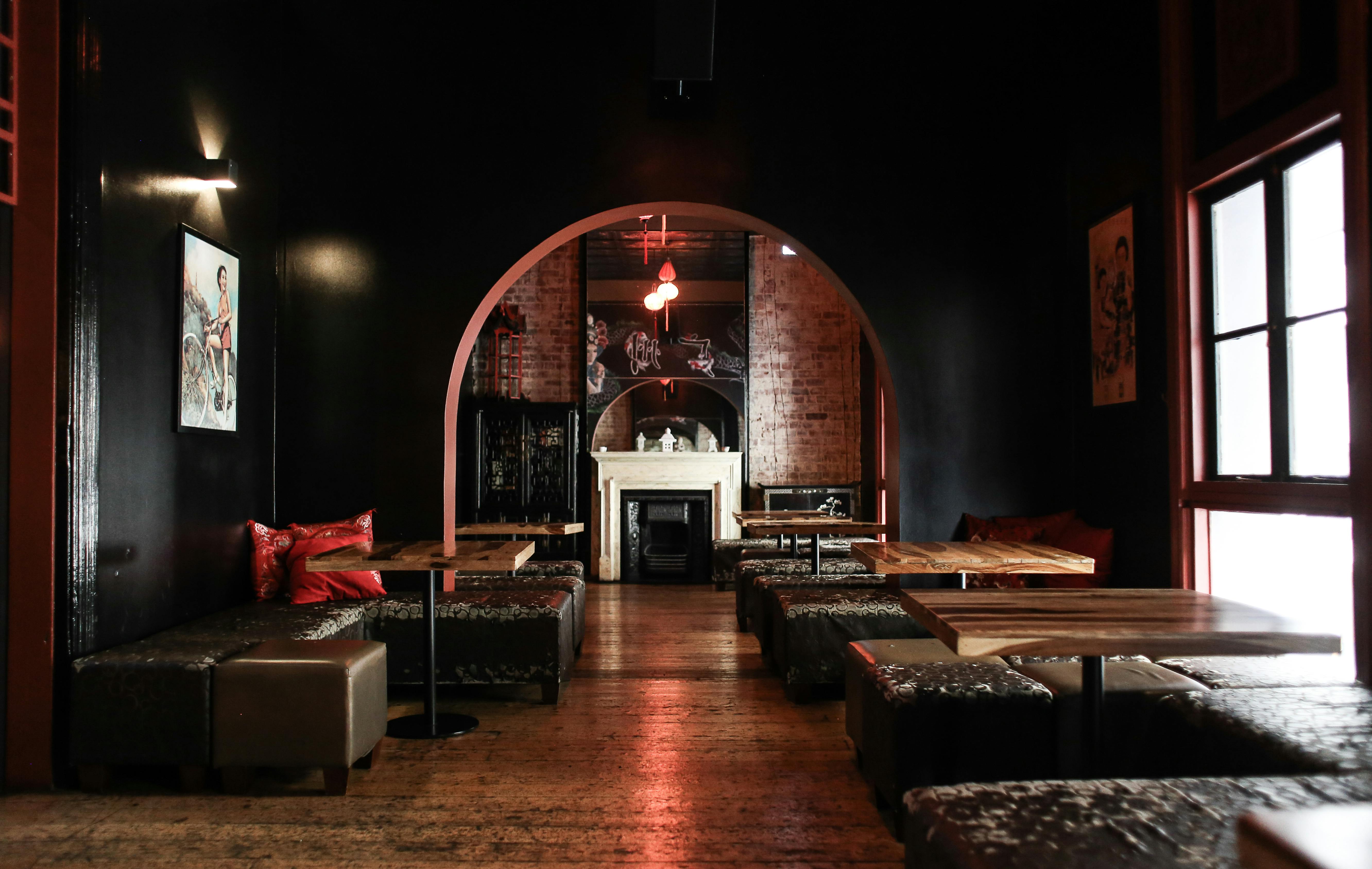
This Photo was taken by Rachel Claire.
The most successful private club designs create what psychologists call “optimal distinctiveness”—spaces that feel both intimate and grand, exclusive yet welcoming to members. This delicate balance requires understanding that today’s global elite seeks environments that reflect their international sophistication while honoring Dubai’s unique cultural heritage.
Premier design specialists achieve this through layered storytelling within the physical environment. Each room narrates a different chapter of Dubai’s evolution from pearling village to global metropolis, creating conversation starters that facilitate genuine connections among members who might otherwise remain professionally distant.
Creating intimacy within grandeur
The architectural challenge lies in designing spaces that feel appropriately scaled for different types of interactions. A space perfect for hosting 200 guests at a cultural gala must transform seamlessly into an intimate setting for a private dinner among eight business leaders discussing sensitive acquisitions.
Leading hospitality design specialists employ moveable architectural elements, transformative lighting systems, and acoustically engineered zones that can shift the perceived size and mood of spaces within minutes. This flexibility has become essential as members increasingly expect their clubs to adapt to their varied social and business needs throughout different times of day and seasons.
Architectural elements that define Dubai’s elite social spaces
The architectural language of Dubai’s most exclusive private members clubs speaks in whispers rather than shouts, employing subtle design cues that communicate prestige to those who understand the vocabulary of true luxury. These spaces reject the flashy aesthetics often associated with Dubai’s public face, instead embracing a more nuanced approach that reflects the sophisticated tastes of their international membership.
Natural materials form the foundation of these refined environments. Travertine from Italy, aged teak from sustainable Indonesian forests, and hand-selected marble from Turkish quarries create a material palette that feels both timeless and contemporary. However, the true artistry lies not in the materials themselves, but in their application and combination.
| Architectural Element | Function | Design Impact |
|---|---|---|
| Double-height ceilings with hidden lighting | Creates sense of grandeur without overwhelming intimacy | Psychological comfort and visual drama |
| Moveable glass walls | Flexible space division for different event sizes | Adaptability for various social functions |
| Integrated art display systems | Rotating cultural exhibitions and member collections | Intellectual stimulation and conversation facilitation |
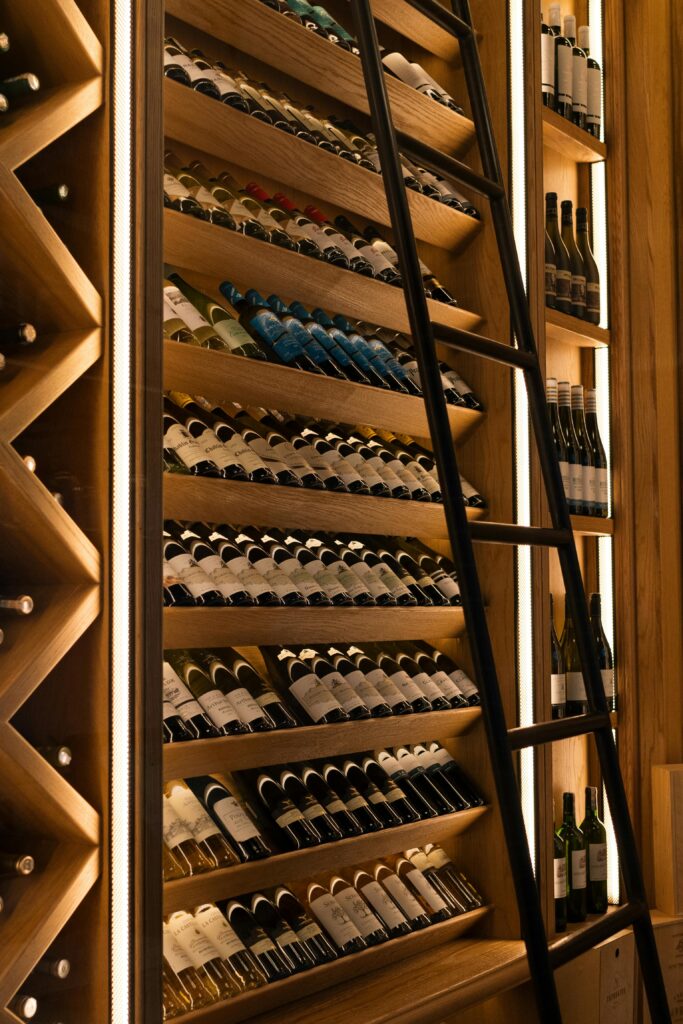
| Climate-controlled wine storage | Preservation of rare vintage collections | Demonstrates attention to connoisseur details |
Ceiling treatments receive particular attention in these sophisticated spaces. Rather than the ornate chandeliers one might expect, the most successful clubs employ integrated lighting systems that mimic natural daylight patterns, subtly shifting color temperature throughout the day to maintain members’ circadian rhythms during extended social or business sessions.
The art of invisible technology
Technology integration represents perhaps the most challenging aspect of luxury private club design. Members expect seamless connectivity and smart building features, yet these technological elements must remain completely invisible to maintain the timeless aesthetic that defines true luxury.
Successful projects achieve this through extensive pre-planning and coordination between design specialists and technology partners. Wireless charging surfaces integrate into handcrafted wooden tables, climate control responds to occupancy without visible sensors, and acoustic systems provide privacy for sensitive conversations without obvious sound masking.
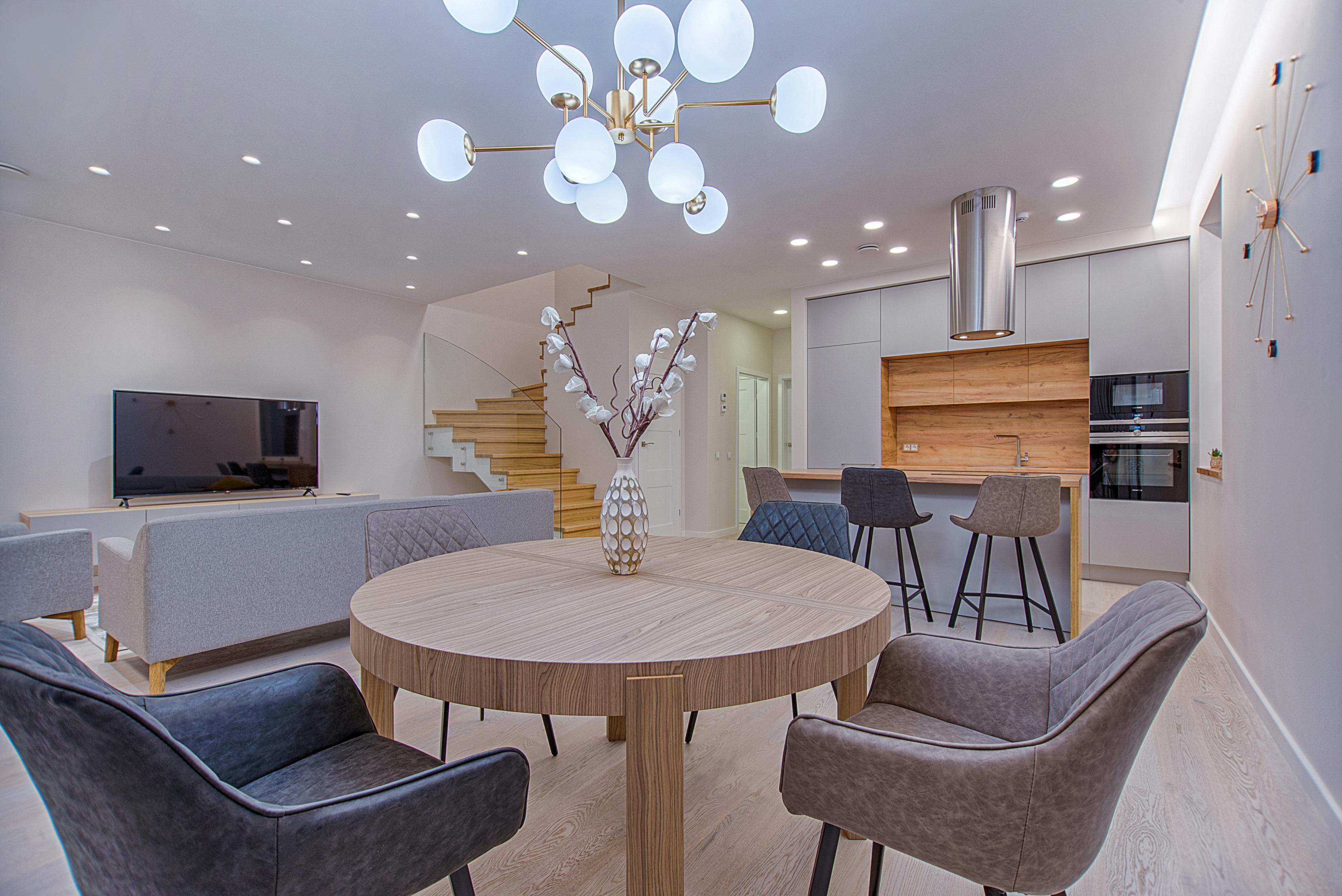
This Photo was taken by Vecislavas Popa.
The most innovative clubs incorporate biometric security systems that eliminate the need for visible access control measures. Members simply approach doors which recognize them and grant access, maintaining the seamless experience that separates true luxury from mere expense.
Cultural fusion in contemporary luxury design
Dubai’s unique position as a cultural crossroads presents both opportunities and challenges for private members club design. The membership typically includes Emirati nationals, long-term expatriates, and international business leaders, each bringing distinct cultural expectations and aesthetic preferences to their ideal social environment.
The most successful design approaches celebrate this diversity rather than attempting to create culturally neutral spaces. Premier hospitality design specialists draw inspiration from Islamic geometric patterns, incorporating them into contemporary architectural details that feel both authentically regional and internationally sophisticated.
Traditional Arabic hospitality concepts influence spatial planning and circulation patterns. The majlis tradition of circular seating arrangements inspires lounge configurations that encourage equal participation in conversations, while maintaining clear sightlines that allow members to easily join or leave discussions as desired.
Integrating Islamic design principles
Islamic architectural principles offer sophisticated solutions for creating spaces that feel both sacred and secular, appropriate for the diverse spiritual backgrounds of private club memberships. The concept of privacy through beauty manifests in intricate wooden screens that provide visual interest while allowing conversations to remain confidential.
Water features play a central role in these designs, drawing from the Islamic garden tradition of using flowing water to create tranquil environments conducive to contemplation and meaningful dialogue. However, contemporary interpretations employ these elements subtly—perhaps through a thin water wall that provides gentle sound masking for adjacent seating areas, or a reflecting pool that creates visual depth in entrance lobbies.
Just as Dubai’s luxury mosque designs demonstrate how traditional Islamic principles can inform contemporary sacred spaces, private members clubs adapt these same concepts for secular social environments.
Premium materials and craftsmanship standards
The material palette in Dubai’s most exclusive private members clubs reflects a global perspective on luxury, sourcing elements from around the world while maintaining sensitivity to local climate conditions and cultural preferences. The selection process goes far beyond aesthetic considerations, incorporating factors like acoustic properties, maintenance requirements, and environmental sustainability.
Rare wood species receive particular attention, with many clubs featuring libraries and private meeting rooms cla