Picture this: you walk into a Dubai restaurant where every surface tells a story of culinary excellence, where the interplay of light and shadow creates an atmosphere so compelling that diners book tables months in advance. This is not accident—this is the calculated artistry of elite hospitality design specialists who understand that in Dubai’s competitive dining landscape, exceptional food alone no longer guarantees success. The city’s most discerning gastronomes expect their dining environment to match the sophistication of what arrives on their plate, creating a premium experience that justifies luxury price points and builds lasting brand loyalty.
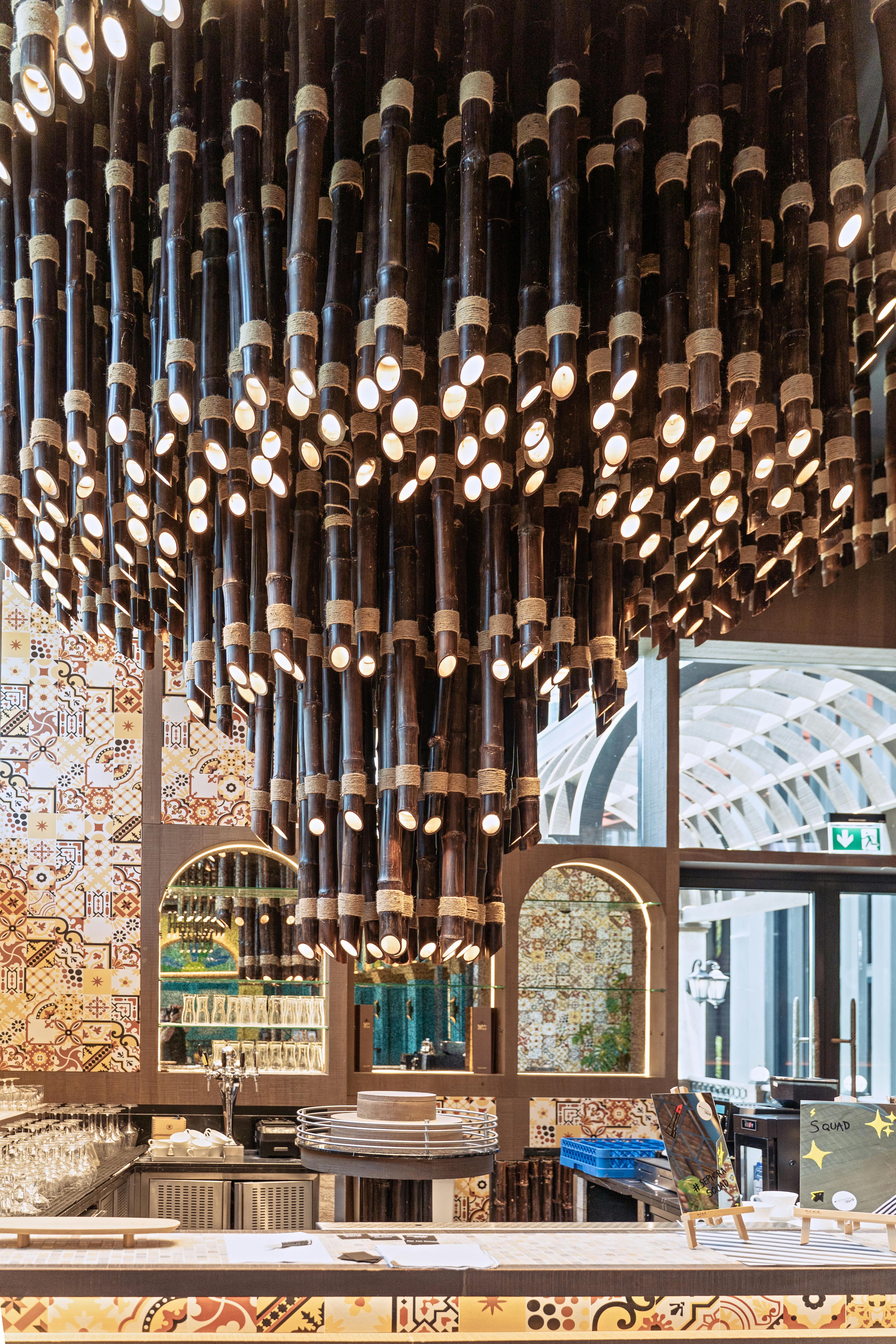
This Photo was taken by Denys Gromov.
The psychology behind premium dining spaces
Successful luxury restaurant interior design in Dubai operates on principles that transcend mere aesthetics. Research from the International Journal of Hospitality Management reveals that environmental factors influence up to 65% of a diner’s overall satisfaction rating, directly impacting their willingness to return and recommend the establishment to others.
Elite hospitality design specialists understand that premium fine dining spaces must orchestrate multiple sensory experiences simultaneously. The strategic placement of ambient lighting affects how food appears on the plate, while acoustic design ensures conversation flows naturally without competing with kitchen sounds or neighboring tables.
Dubai’s luxury dining establishments leverage this psychology through spatial sequencing—the deliberate progression from entrance to seating that builds anticipation and elevates perceived value. The most successful venues create distinct zones within their interior architecture, allowing different dining experiences to coexist while maintaining overall design cohesion.
| Design Element | Impact on Diner Experience | Revenue Influence |
|---|---|---|
| Lighting Design | Food presentation quality | 12-18% increase in order value |
| Acoustic Treatment | Conversation comfort | 23% longer table occupancy |
| Seating Configuration | Privacy and intimacy | 15% higher customer retention |
| Material Selection | Tactile luxury perception | 20% premium pricing acceptance |
Material mastery in high-end culinary establishments
The selection and application of premium materials forms the foundation of any exceptional restaurant interior design project. Dubai’s leading hospitality design specialists source materials that balance visual impact with practical functionality, understanding that luxury restaurants face unique operational demands.

This Photo was taken by Timothy Yiadom.
Natural stone surfaces, particularly those quarried from Italian Carrara or Brazilian granite, provide durability while projecting sophistication. These materials undergo specialized treatments to resist staining and maintain their lustrous appearance despite heavy use. The integration process requires expertise in both structural engineering and aesthetic composition.
Metallic accents in brushed brass or aged copper create visual warmth and complement the golden tones prevalent in Dubai’s luxury design vocabulary. Similar attention to material excellence appears in luxury retail environments where tactile quality influences purchasing decisions.
Textile integration for comfort and style
Fabric selection in luxury restaurant design extends beyond upholstery to encompass acoustic panels, window treatments, and decorative elements. Performance textiles engineered for commercial applications resist staining while maintaining the hand-feel of natural fibers. These technical fabrics allow designers to specify rich velvets and silk blends that would otherwise prove impractical in food service environments.
Custom millwork incorporating exotic wood species creates architectural details that distinguish premium establishments from mainstream competitors. The craftsmanship required for seamless joinery and perfect proportions represents a significant investment that pays dividends through enhanced perceived value and social media shareability.
Lighting orchestration for culinary theater
Lighting design in luxury restaurants functions as both practical necessity and artistic expression. Elite hospitality designers create layered illumination systems that adapt throughout service periods, supporting operational requirements while maintaining atmospheric consistency.
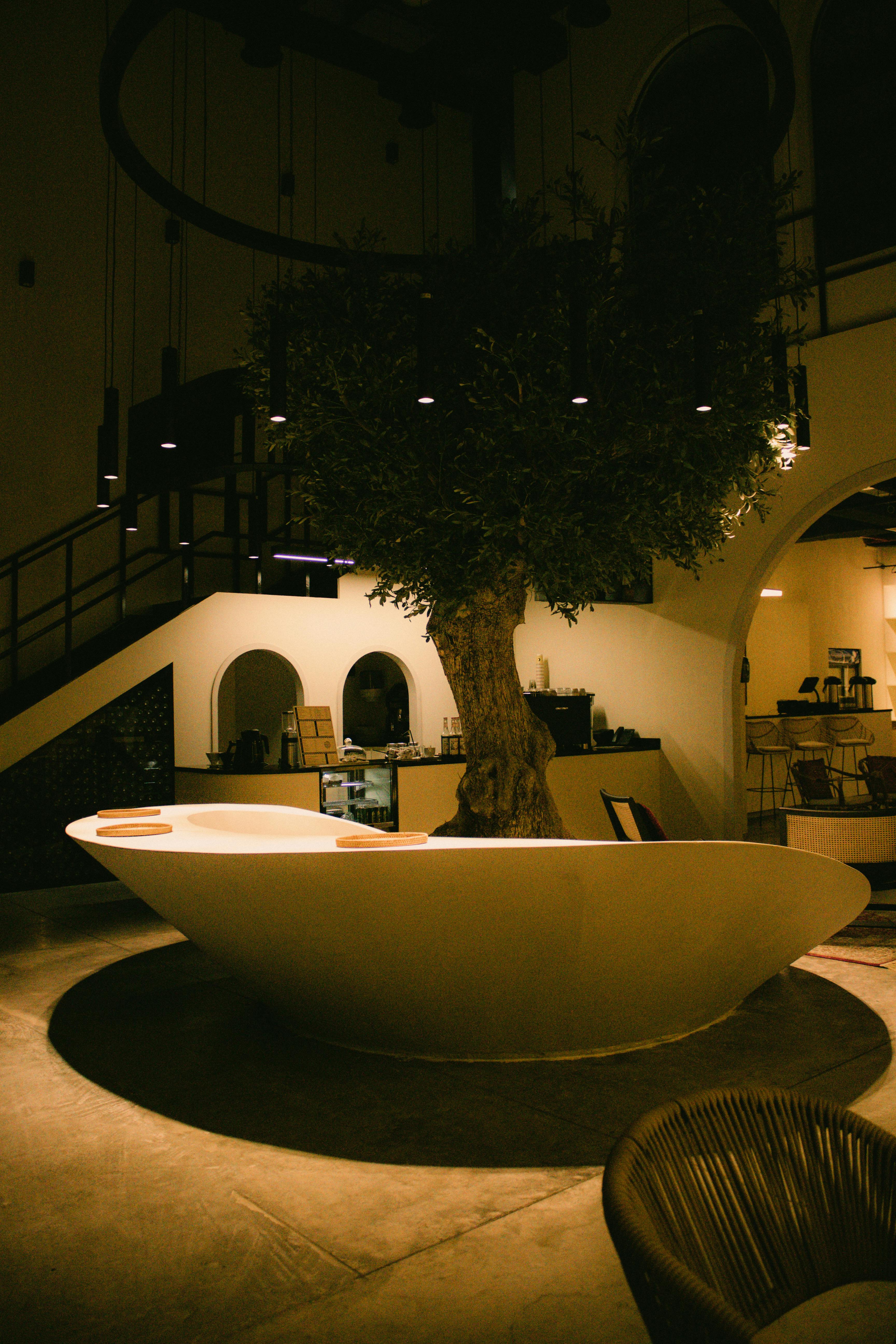
This Photo was taken by saad alawi.
The technical complexity involves integrating multiple light sources at varying color temperatures and intensities. Warm-toned LED systems highlight food presentation, while cooler accent lighting emphasizes architectural features and artwork. This sophisticated approach mirrors strategies used in art gallery spaces where precise illumination affects how visitors perceive and appreciate displayed works.
Dynamic lighting control systems
Advanced restaurants employ programmable lighting management that automatically adjusts throughout service periods. Brighter illumination during lunch service transitions to intimate evening ambiance without manual intervention. These systems integrate with reservation platforms to optimize table lighting based on party size and occasion type.
Decorative fixtures serve dual roles as functional illumination and sculptural elements. Custom chandeliers and pendant installations become conversation pieces while providing necessary task lighting. The scale and positioning of these statement pieces requires careful calculation to avoid overwhelming smaller tables while ensuring adequate coverage for larger groups.
Spatial flow and circulation strategies
Effective circulation design determines operational efficiency and guest comfort in luxury dining establishments. Professional hospitality designers analyze traffic patterns to minimize service conflicts while creating natural progression routes that enhance the dining experience.

This Photo was taken by saad alawi.
The entrance sequence establishes first impressions through strategic reveal moments. Reception areas sized appropriately for expected wait times prevent crowding while building anticipation. Clear sight lines to the main dining room allow arriving guests to appreciate the full design impact while maintaining appropriate mystery about their specific seating location.
Service circulation operates independently from guest pathways wherever possible. Back-of-house access routes connect kitchen areas to dining zones without disrupting the customer experience. This separation requires coordination with mechanical systems and structural elements during the design development phase.
Table configuration and privacy zones
Seating arrangements balance revenue optimization with guest comfort through varied table configurations. Intimate two-tops for romantic dining coexist with larger communal options for group celebrations. Physical separations using screens, planters, or level changes create privacy without completely isolating tables from the overall energy.
The most successful layouts incorporate flexible elements that accommodate different service styles throughout operating hours. Moveable partitions allow private dining areas to open into the main space for special events while maintaining their exclusivity during regular service periods.
Acoustic design for conversation comfort
Sound management represents one of the most technical aspects of restaurant interior design, requiring specialized expertise to achieve optimal results. Excessive noise levels rank among the top complaints in dining surveys, making acoustic treatment essential for customer satisfaction and repeat business.