When million-dollar wine collections meet Dubai’s scorching desert climate
Picture this: you’ve just acquired a rare 1982 Bordeaux worth more than most people’s annual salary, only to watch it transform into expensive vinegar because your wine cellar couldn’t handle Dubai’s extreme temperature fluctuations. In a city where summer temperatures soar beyond 45°C and humidity levels challenge even the most sophisticated climate control systems, storing fine wines becomes an engineering masterpiece rather than a simple storage solution.
Dubai’s ultra-high-net-worth residents face a unique paradox: they have access to the world’s most exclusive vintages, yet live in one of the most challenging climates for wine preservation. The difference between a properly designed temperature-controlled wine cellar and a makeshift storage room can literally mean the difference between preserving liquid assets worth hundreds of thousands of dirhams or watching them deteriorate into costly mistakes.
This comprehensive guide reveals how Dubai’s elite residential design specialists are revolutionizing luxury wine cellar design in 2025, creating sophisticated storage sanctuaries that not only preserve precious collections but transform them into stunning architectural statements worthy of the city’s most exclusive residences.
This Photo was taken by Gül Işık.
The science behind perfect wine preservation in extreme climates
Dubai’s desert environment presents unprecedented challenges for wine storage that go far beyond what European or American collectors typically encounter. The city’s extreme temperature variations, sandstorm-prone atmosphere, and energy-intensive cooling requirements demand specialized engineering solutions that few residential projects worldwide can match.
Understanding Dubai’s unique storage challenges
The fundamental enemy of fine wine isn’t just heat – it’s temperature fluctuation. While most wine storage guides recommend maintaining 12-14°C, the real challenge lies in achieving consistent temperatures when outdoor conditions can swing from 15°C in winter nights to 48°C during summer days. This 33-degree variation puts enormous strain on climate control systems and requires redundant cooling mechanisms that standard residential HVAC simply cannot provide.
Humidity control presents an equally complex challenge. Dubai’s coastal location creates moisture levels that fluctuate dramatically between the dry desert air and humid sea breezes. Wine corks require 60-70% humidity to maintain their seal, but excessive moisture in Dubai’s climate can promote mold growth and label deterioration. Elite residential design specialists have developed sophisticated dehumidification systems that maintain precise humidity levels while preventing the condensation issues that plague poorly designed cellars.
| Climate Factor | Optimal Wine Storage | Dubai Challenge | Design Solution |
|---|---|---|---|
| Temperature | 12-14°C consistent | 15-48°C variation | Triple-redundant cooling systems |
| Humidity | 60-70% stable | 20-90% fluctuation | Precision dehumidification control |
| Air Quality | Clean, filtered air | Sand, dust, salt exposure | Multi-stage filtration systems |
| Vibration | Minimal movement | Construction, traffic impacts | Isolation foundation design |
Advanced climate control technologies for 2025
The latest generation of Dubai wine cellars incorporates artificial intelligence-driven climate management systems that learn from environmental patterns and predict cooling needs before temperature fluctuations occur. These systems monitor not just internal conditions but also external weather patterns, construction activities in neighboring properties, and even seasonal migration patterns that might affect local microclimates.
Modern installations feature redundant cooling systems with automatic switchover capabilities, ensuring that even if primary equipment fails during Dubai’s peak summer months, backup systems maintain perfect storage conditions. Some elite designs incorporate geothermal cooling elements that tap into the earth’s stable temperatures, reducing energy consumption while providing more consistent climate control than traditional air conditioning systems.
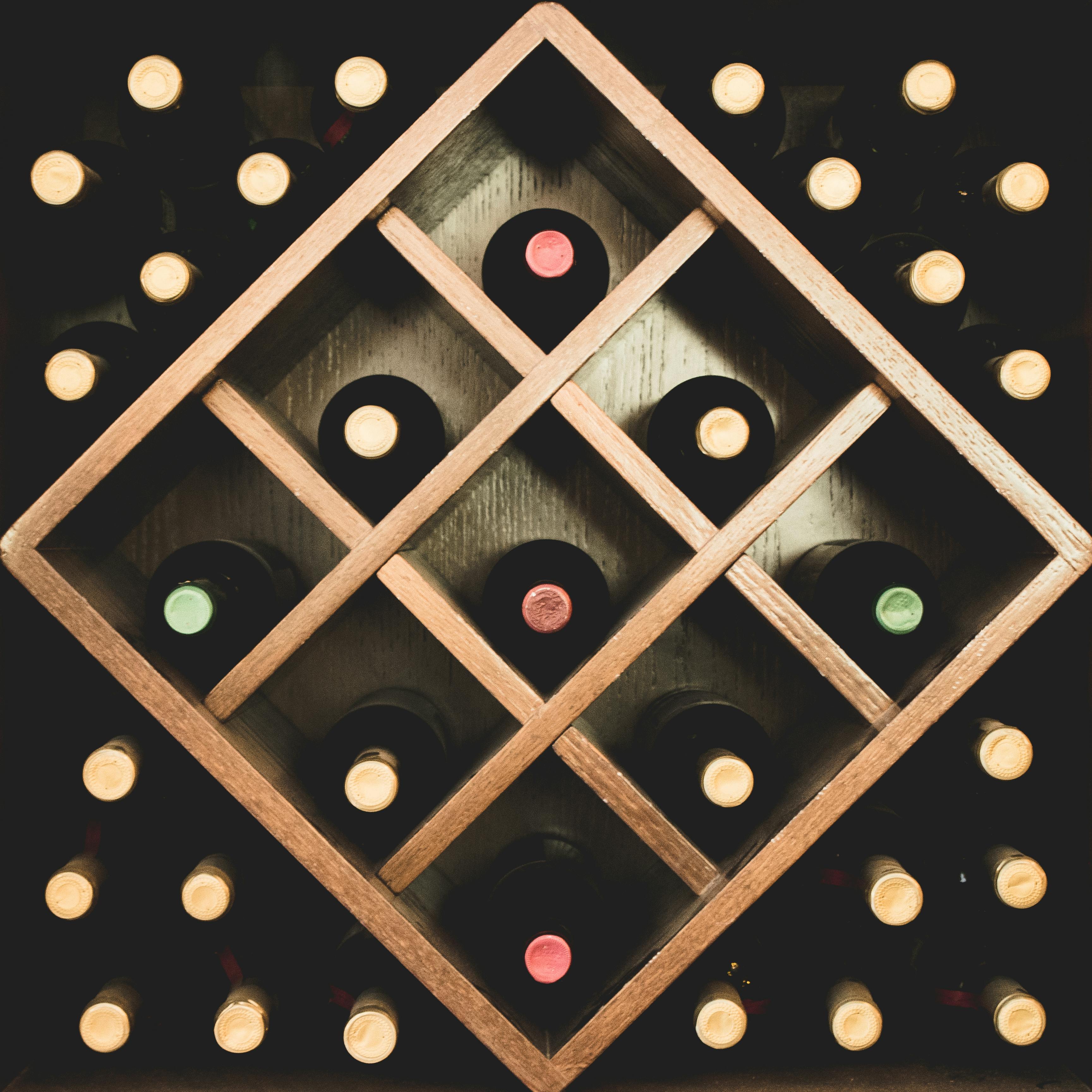
This Photo was taken by Stanislav Kondratiev.
Architectural excellence meets functional preservation
Dubai’s luxury wine cellars have evolved far beyond simple storage rooms into architectural masterpieces that rival the sophistication found in Dubai’s luxury art gallery interior design projects. These spaces seamlessly blend cutting-edge preservation technology with stunning visual presentations that transform wine collections into living art installations.
Spatial planning for optimal collection organization
Elite residential design specialists approach wine cellar layout with the same strategic thinking applied to museum curation. The most successful designs create logical flow patterns that guide collectors and guests through different wine regions, vintages, or collection themes while maintaining easy access for regular consumption and special occasion selections.
Storage capacity planning extends beyond simple bottle counts to consider collection growth patterns, investment wine storage requirements, and entertaining needs. Many Dubai collectors maintain separate sections for daily drinking wines, investment-grade vintages requiring long-term storage, and presentation bottles reserved for special occasions or business entertainment.
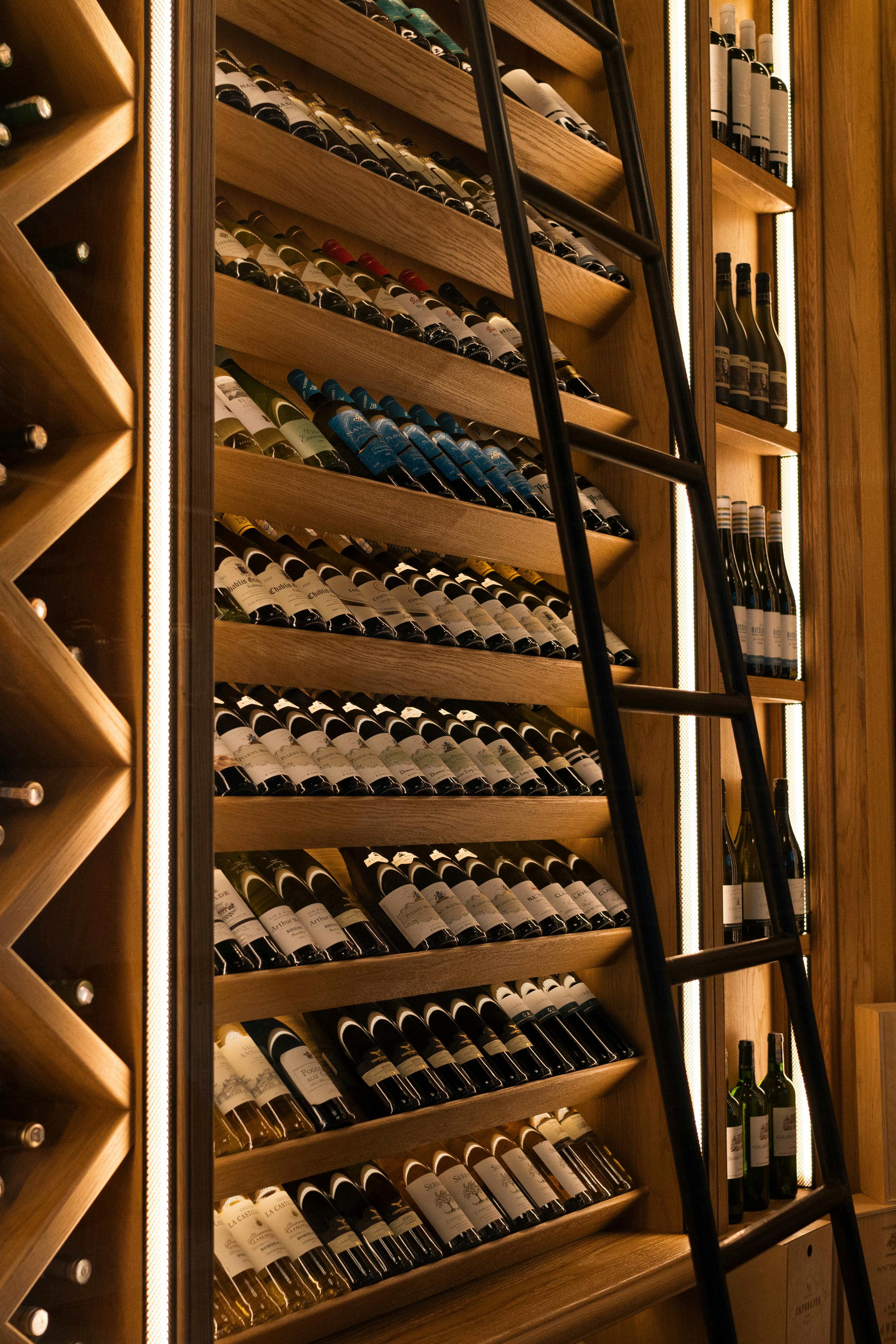
Vertical space utilization becomes particularly important in Dubai’s residential market, where ground floor space commands premium pricing. Sophisticated designs incorporate floor-to-ceiling storage systems with integrated rolling ladders or mechanical retrieval systems that maximize storage density while maintaining easy access to every bottle in the collection.
Material selection for durability and elegance
The harsh Dubai environment demands materials that can withstand temperature fluctuations, humidity variations, and the constant operation of cooling systems while maintaining aesthetic appeal over decades of use. Traditional wine cellar materials like untreated wood often fail in Dubai’s climate, leading designers to develop innovative material combinations that provide both beauty and performance.
Natural stone selections focus on materials with low thermal conductivity and minimal moisture absorption. Travertine, limestone, and certain granite varieties provide the thermal mass needed to buffer temperature fluctuations while offering the luxury aesthetic expected in Dubai’s high-end residences. These materials undergo specialized sealing treatments that protect against moisture while allowing natural breathing that prevents pressure buildup.
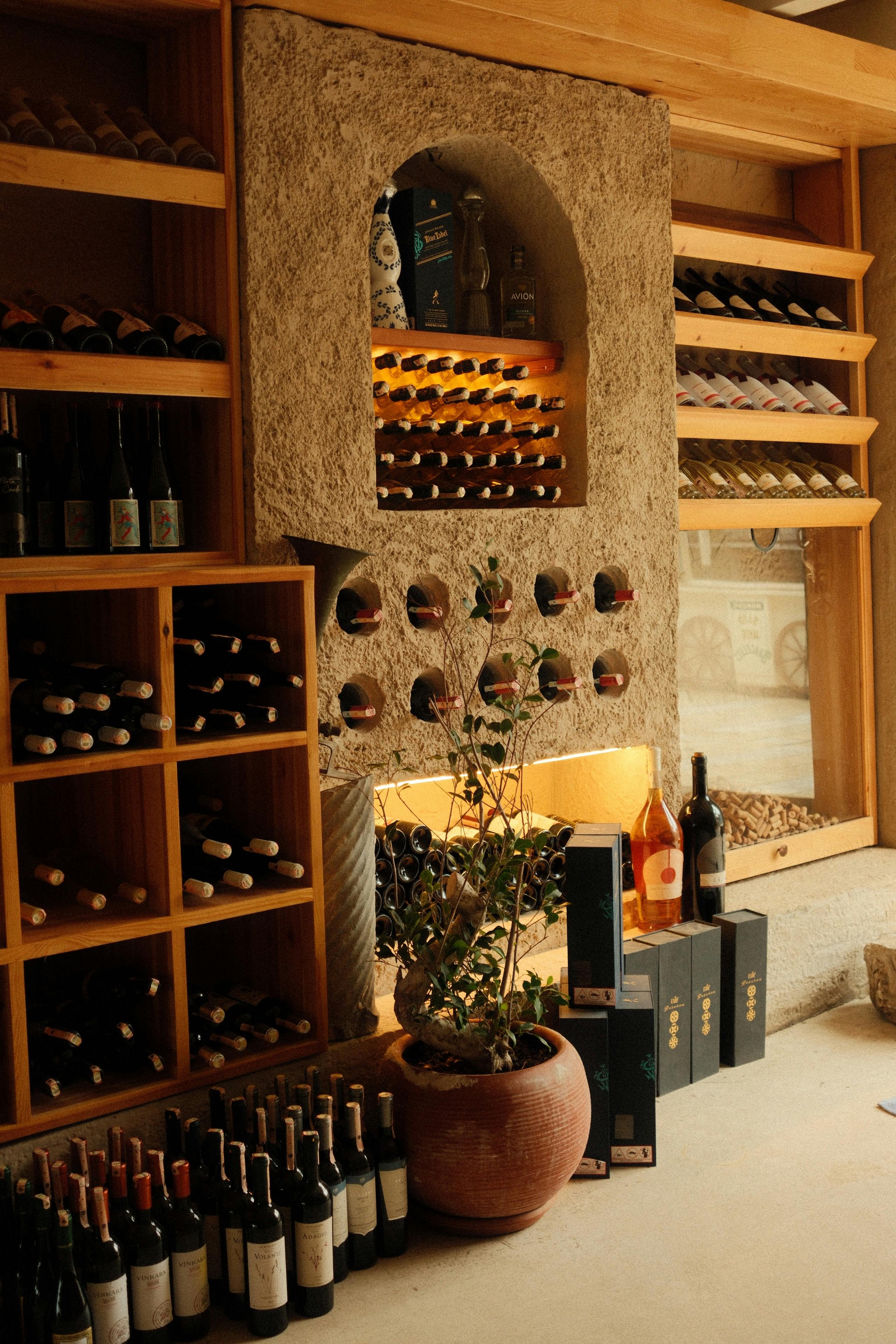
This Photo was taken by yağız uçal.
Metal components receive specialized coatings that prevent corrosion in humid environments while maintaining their structural integrity under thermal stress. Stainless steel varieties specifically chosen for marine environments perform exceptionally well in Dubai’s coastal climate, providing longevity that justifies their premium cost in high-end installations.
Technology integration for the modern connoisseur
Today’s Dubai wine cellars incorporate smart home technologies that would have been science fiction just a decade ago. These systems transform wine collection management from a manual process into an automated, data-driven experience that enhances both preservation and enjoyment while providing the technological sophistication expected in Dubai’s luxury residences.
Smart inventory management systems
Advanced wine cellars now feature RFID tracking systems that automatically catalog bottles as they enter or leave storage, maintaining real-time inventory records that integrate with smartphone applications. These systems track not just bottle locations but also optimal consumption windows, current market values, and drinking recommendations based on professional ratings and personal preference profiles.
Integration with global wine databases provides instant access to detailed information about every bottle in the collection, including vintage reports, critic scores, and current auction values. This data transforms wine selection from guesswork into informed decision-making, whether choosing the perfect bottle for dinner or identifying investment pieces ready for market sale.
Some installations incorporate blockchain technology for authentication and provenance tracking, particularly important for ultra-rare bottles where provenance verification can mean the difference between a legitimate vintage and an expensive fake. These systems maintain tamper-proof records that enhance both security and resale value for investment-grade collections.
Environmental monitoring and alerts
Modern wine cellars feature comprehensive monitoring systems that track dozens of environmental variables simultaneously, alerting owners to potential issues before they can damage valuable collections. These systems monitor not just temperature and humidity but also air quality, vibration levels, light exposure, and even door opening patterns that might indicate security breaches.
Remote monitoring capabilities allow collectors to check cellar conditions from anywhere in the world, providing peace of mind during extended travel periods common among Dubai’s international business community. Emergency alert systems can contact backup power providers, maintenance services, or security teams automatically, ensuring rapid response to any threatening conditions.
This Photo was taken by Wilfred Panakkal.
Creating the ultimate tasting environment
The most sophisticated Dubai wine cellars extend beyond storage to create dedicated tasting environments that rival the world’s finest wine bars and tasting rooms. These spaces recognize that wine appreciation involves all the senses and requires carefully controlled environmental conditions that enhance rather than detract from the tasting experience.
Sensory design considerations
Proper lighting design becomes crucial in tasting areas, where color assessment forms a fundamental part of wine evaluation. LED lighting systems with adjustable color temperatures allow collectors to examine wines under different lighting conditions, from the warm candlelight ambiance preferred for romantic dinners to the neutral white light needed for serious tasting evaluations.
Acoustic design prevents external noise interference that can distract from the focused attention required for wine appreciation. Sound-absorbing materials and strategic space planning create quiet environments where the subtle sounds of wine being poured and swirled can be appreciated without competition from air conditioning systems, traffic noise, or household activities.
Air circulation systems in tasting areas operate independently from storage area climate control, providing fresh, filtered air that prevents the accumulation of wine aromas that can interfere with sequential tastings. These systems remove odors between tastings while maintaining the stable temperature and humidity levels needed for proper wine service.
The integration of tasting environments with other luxury spaces creates seamless entertainment flows similar to those found in Dubai’s luxury private members club interior design projects, where wine appreciation becomes part of broader social and business entertaining.
Furniture and fixture selection
Tasting furniture requires careful selection to support proper wine evaluation while maintaining the luxury aesthetic expected in Dubai’s high-end residences. Tables need surfaces that won’t retain odors or stains while providing stable platforms for wine glasses and tasting notes. Counter heights must accommodate both standing and seated tasting positions, allowing flexibility for different group sizes and tasting formats.
Glass storage and washing facilities within tasting areas ensure proper glassware is always available without the need to transport delicate glasses through the residence. Specialized glass washing systems remove soap residues and mineral deposits that can affect wine taste, while climate-controlled storage prevents thermal shock when glasses transition from storage to use with chilled wines.
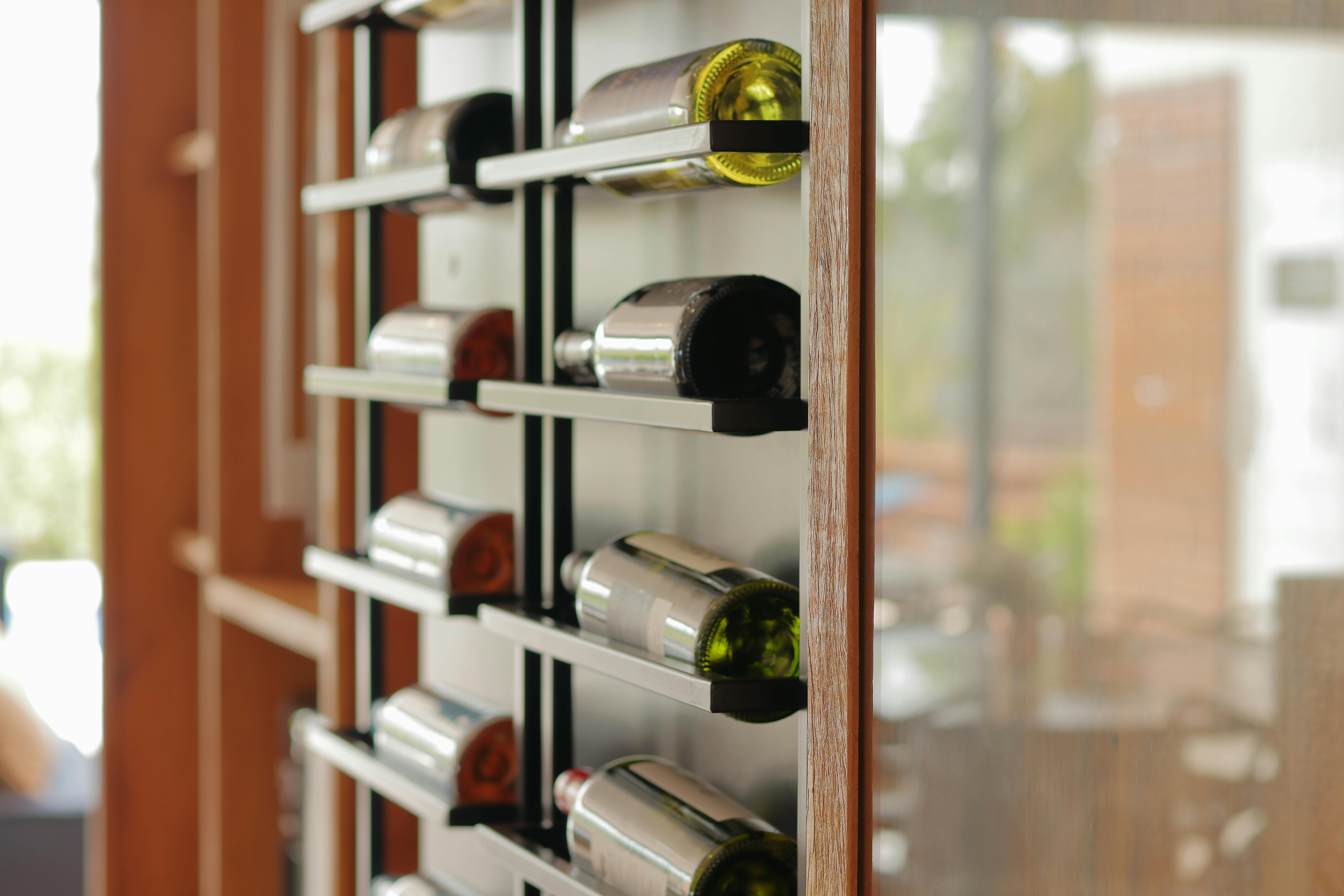
This Photo was taken by Alex Pinheiro.
Security and access control for valuable collections
Dubai wine collections often represent investments worth millions of dirhams, requiring security measures that match the sophistication found in bank vault design while maintaining the accessibility needed for regular enjoyment. Elite residential design specialists develop comprehensive security strategies that protect against both theft and unauthorized access while preserving the welcoming atmosphere essential for wine appreciation.
Multi-layered security approaches
Physical security begins with structural design that integrates reinforced walls, specialized locking mechanisms, and hidden access points that don’t compromise the aesthetic appeal of the space. Biometric access controls ensure that only authorized individuals can enter storage areas, while providing audit trails that track all access events for insurance and inventory management purposes.
Surveillance systems designed specifically for wine cellars account for low-light conditions and condensation issues that can compromise standard security cameras. Infrared and thermal imaging capabilities detect unauthorized presence even when traditional lighting is minimized to protect light-sensitive wines from UV exposure.
Temperature and humidity sensors double as security devices, alerting owners to door openings, extended access periods, or other activities that might indicate unauthorized entry. These systems integrate with home automation platforms to coordinate responses that might include alerting security services, adjusting lighting, or documenting activities through multiple camera angles.
Integration with broader residential security systems creates comprehensive protection similar to that implemented in Dubai’s luxury corporate office interior design projects, where valuable assets require sophisticated protection measures.
Insurance and documentation requirements
Insurance companies increasingly require detailed documentation of storage conditions, security measures, and inventory management systems before providing coverage for high-value wine collections. Professional wine cellar design includes documentation packages that satisfy insurance requirements while providing the proof needed for claims processing in case of loss or damage.
Appraisal and inventory systems maintain current valuations that adjust for market changes, vintage appreciation, and collection additions or sales. These systems provide the detailed records needed for insurance coverage adjustments and estate planning purposes while supporting investment decision-making for collectors who view wine as an alternative asset class.
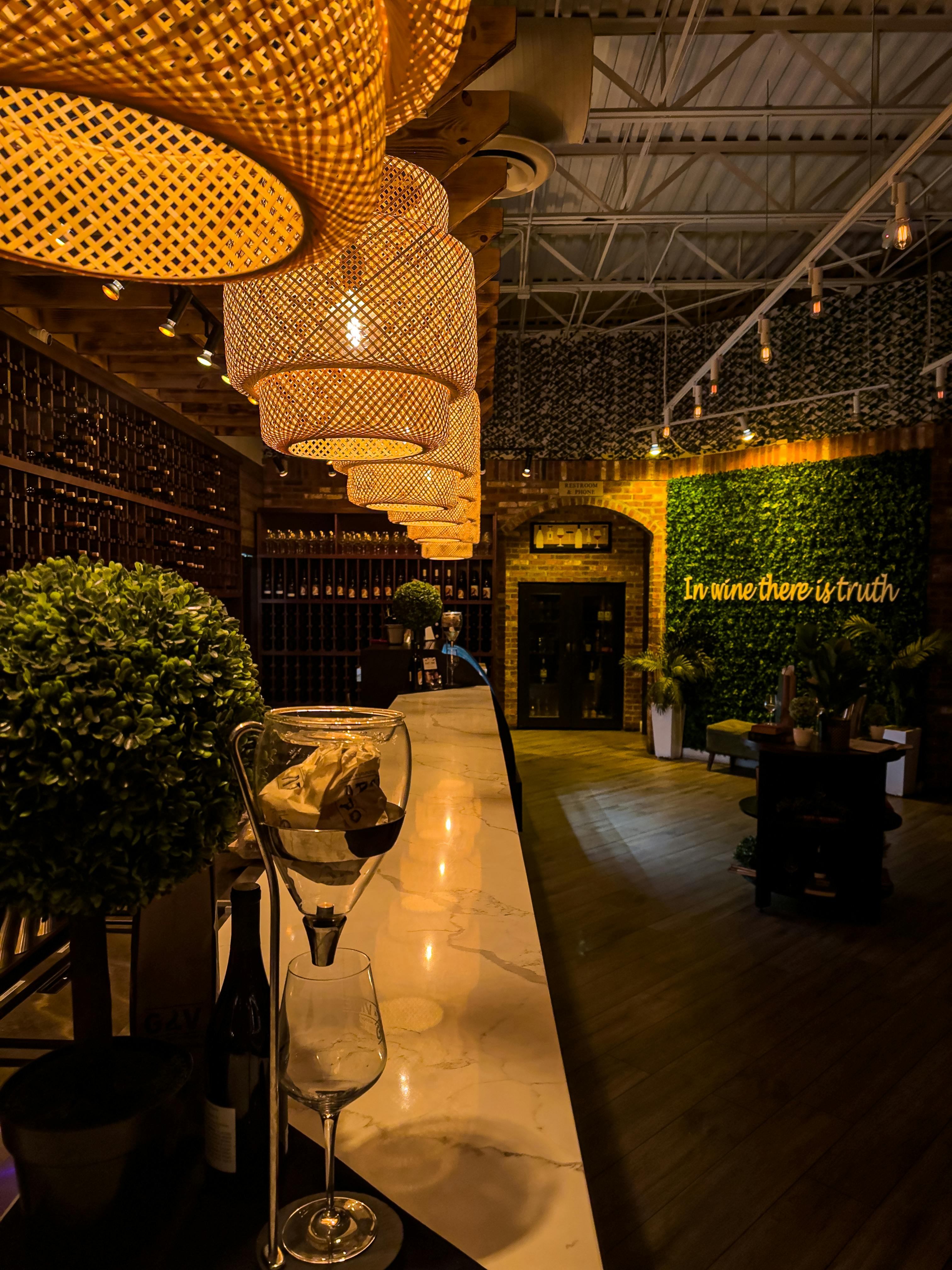
This Photo was taken by Pavan Sai .D.
Energy efficiency and sustainability considerations
Dubai’s commitment to sustainability and energy efficiency extends to luxury wine cellar design, where innovative technologies reduce environmental impact while maintaining the precise conditions required for wine preservation. The most forward-thinking installations incorporate renewable energy sources, efficient cooling technologies, and smart systems that minimize energy consumption without compromising collection protection.
Renewable energy integration
Solar power systems specifically designed for wine cellar operation take advantage of Dubai’s abundant sunshine to offset the energy-intensive requirements of climate control systems. Battery storage systems ensure continuous operation even during sandstorms or maintenance periods that might interrupt grid power supply.
Geothermal cooling systems tap into the earth’s stable temperatures to reduce the energy required for maintaining cellar conditions. While initial installation costs exceed traditional cooling systems, the long-term energy savings and improved temperature stability justify the investment for serious collectors planning decades of wine storage.
Heat recovery systems capture waste heat from cooling equipment and redirect it to other residential needs such as water heating or space heating in other areas of the home. These systems improve overall energy efficiency while reducing the environmental impact of maintaining perfect wine storage conditions in Dubai’s challenging climate.
The integration of sustainable practices mirrors the environmental consciousness seen in other luxury design projects, including Dubai luxury private spa interior design where wellness and environmental responsibility combine to create responsible luxury experiences.
Smart energy management
Artificial intelligence-driven energy management systems optimize cooling operations based on occupancy patterns, seasonal variations, and electricity rate structures. These systems learn from usage patterns to predict when cellars will be accessed and pre-condition spaces efficiently while reducing energy consumption during periods of minimal activity.
Load balancing systems coordinate wine cellar energy demands with other household systems to minimize peak demand charges and take advantage of off-peak electricity rates. During Dubai’s extreme summer months, these systems might shift cooling loads to nighttime hours when electricity rates are lower and cooling efficiency is higher.
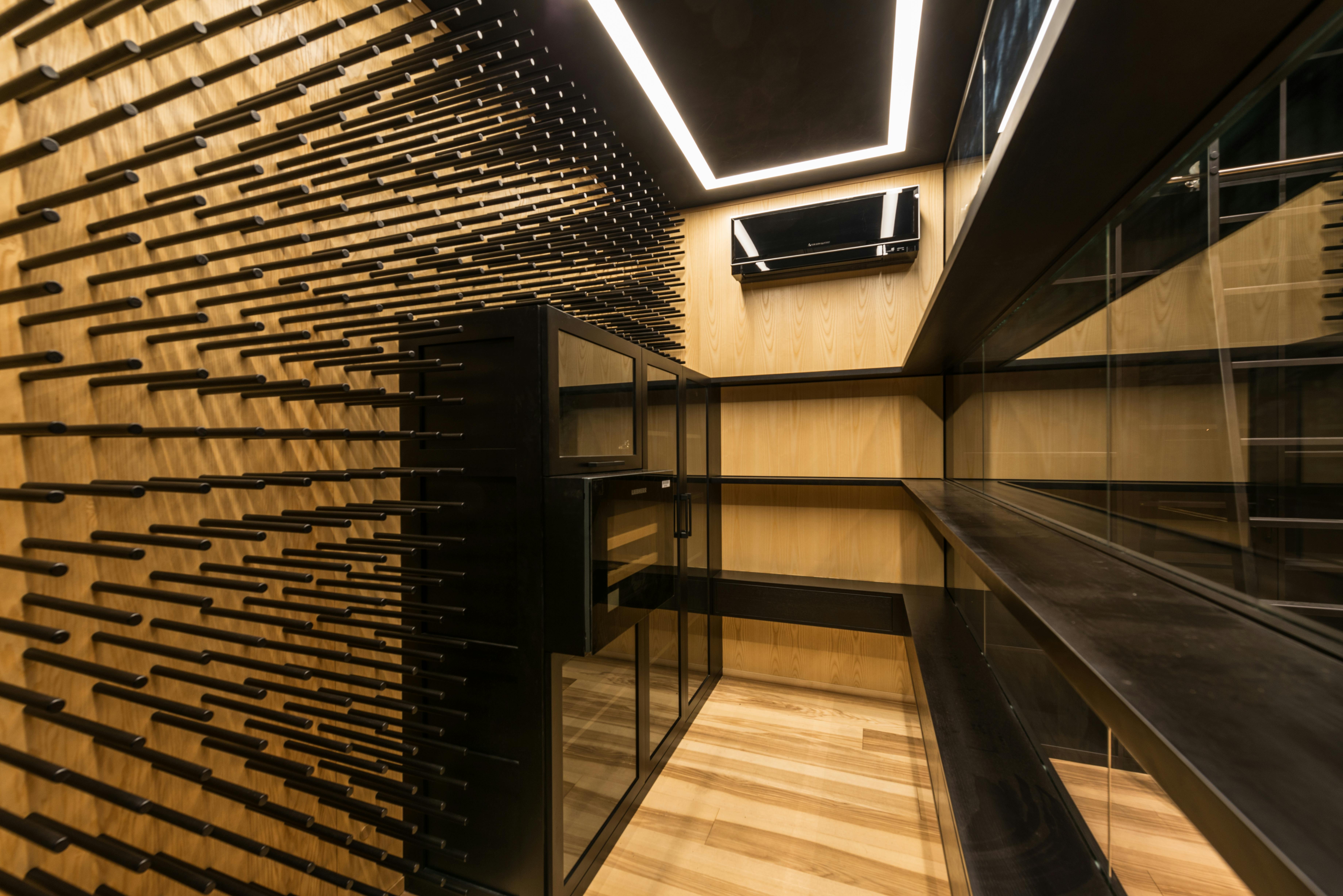
This Photo was taken by Max Vakhtbovycn.
Investment considerations and return expectations
Dubai’s luxury wine cellar installations represent significant financial investments that can range from AED 500,000 for sophisticated residential cellars to over AED 2 million for museum-quality installations with advanced climate control and extensive storage capacity. Understanding the investment implications helps collectors make informed decisions that balance their passion for wine with sound financial planning.
Cost analysis and budget planning
Professional wine cellar design and installation costs vary dramatically based on storage capacity, climate control sophistication, security requirements, and finishing materials. Basic temperature-controlled storage might cost AED 3,000-5,000 per square meter, while museum-quality installations with advanced monitoring, security, and luxury finishes can exceed AED 15,000 per square meter.
Ongoing operational costs include electricity for climate control, maintenance for mechanical systems, insurance for collection protection, and periodic professional cleaning and calibration services. In Dubai’s climate, annual operational costs typically range from 8-12% of the initial installation cost, making long-term budgeting essential for sustainable wine collecting.
According to the Dubai Land Department, luxury homes with professional wine cellars command 12-18% higher resale values compared to similar properties without specialized storage facilities, suggesting that quality installations provide tangible return on investment beyond the personal enjoyment they provide.
Collection value appreciation
Properly stored wine collections in Dubai benefit from the city’s position as a major international trading hub with access to allocation wines from prestigious producers worldwide. Many collectors report annual appreciation rates of 8-15% on investment-grade bottles, particularly those from renowned Bordeaux estates, Burgundy producers, and emerging wine regions gaining international recognition.
The combination of growing wine appreciation in the Middle East and Dubai’s strategic location between European production regions and Asian consumption markets creates opportunities for collectors to benefit from both personal enjoyment and financial appreciation of their collections.
Frequently asked questions about Dubai wine cellars
What capacity should I plan for in a Dubai wine cellar?
Most serious collectors plan for 1,000-3,000 bottle capacity to accommodate collection growth and various wine categories. Consider your drinking patterns, entertainment frequency, and investment wine storage needs. Allow 50-70% more capacity than your current collection to accommodate growth and seasonal variations in wine purchasing patterns.
How much does climate control cost to operate in Dubai?
Annual electricity costs for wine cellar climate control range from AED 8,000-25,000 depending on cellar size and insulation quality. Modern efficient systems with smart controls typically cost 30-40% less to operate than basic cooling equipment. Investment in high-quality insulation and redundant cooling systems reduces both energy costs and collection risk.
Can wine cellars handle Dubai’s power outages and sandstorms?
Professional installations include backup power systems and enhanced filtration to handle Dubai’s environmental challenges. Battery backup systems maintain critical cooling for 6-48 hours, while whole-house generators provide extended protection. Advanced filtration systems prevent sand and dust infiltration that could damage cooling equipment or contaminate storage areas.
What security measures are essential for valuable collections?
Essential security includes biometric access control, surveillance systems, temperature monitoring alerts, and integration with home security systems. Insurance companies typically require documented security measures for collections valued over AED 100,000, making professional security design both practical and financially necessary.
How do I choose between custom and modular wine storage systems?
Custom systems provide perfect fit and maximum aesthetic integration but cost 40-60% more than modular alternatives. Modular systems offer faster installation and easier modification but may not achieve the seamless luxury appearance expected in high-end Dubai residences. Consider your budget, timeline, and long-term plans when making this decision.
What maintenance requirements should I expect?
Professional maintenance includes quarterly system inspections, annual deep cleaning, calibration of monitoring equipment, and replacement of filters and consumable components. Budget AED 15,000-30,000 annually for comprehensive maintenance services that protect both equipment and collection. Preventive maintenance costs far less than emergency repairs or collection losses due to equipment failure.
Elevating wine appreciation to an art form
Dubai’s luxury wine cellar design represents the perfect fusion of cutting-edge preservation technology, sophisticated architectural design, and the passion for wine that drives collectors to seek perfection in every detail. These installations transform wine storage from a practical necessity into an expression of personal taste and appreciation for one of humanity’s most ancient and refined pleasures.
The investment in professional wine cellar design pays dividends far beyond the financial returns that properly stored collections can provide. These spaces become focal points for entertaining, repositories for family traditions, and sanctuaries where the day’s stresses dissolve in the quiet contemplation of exceptional wines carefully preserved for perfect moments of appreciation.
As Dubai continues to establish itself as a global hub for luxury living and international business, the city’s wine cellars serve as private embassies of culture and sophistication. They connect residents to the great wine regions of the world while creating intimate spaces where relationships are built, deals are celebrated, and life’s finest moments are properly honored with wines that have been preserved with the same attention to excellence that defines Dubai itself.
The future of Dubai wine cellar design lies in the continued integration of smart technologies, sustainable practices, and architectural innovation that pushes the boundaries of what’s possible in wine preservation and presentation. For collectors who understand that great wine represents far more than mere beverage, these spaces provide the perfect environment where liquid art can be preserved, appreciated, and shared with those who understand its true value.