Dubai’s cultural landscape transforms dramatically as the city establishes itself as a global art destination, yet many gallery owners and private collectors struggle with a fundamental challenge: creating exhibition spaces that honor both contemporary aesthetics and the reverence fine art deserves. Traditional gallery designs often fail to capture the sophisticated atmosphere required for high-end collections, while generic commercial spaces lack the nuanced lighting and spatial flow that premium artworks demand.
The stakes couldn’t be higher in 2025. Dubai’s art market has grown by 47% according to recent industry reports, with private collectors and cultural institutions investing millions in acquiring world-class pieces. However, without proper interior design expertise, even the most valuable collections risk appearing ordinary or, worse, being displayed in environments that detract from their impact.
This comprehensive guide reveals how Dubai’s premier museum design specialists create transformative gallery spaces that elevate both art and viewer experience, turning conventional exhibition areas into captivating cultural destinations.
The evolution of Dubai’s gallery design landscape
Dubai’s art gallery scene has undergone a remarkable transformation over the past five years, moving far beyond the sterile white-box concept that dominated museum design for decades. Today’s sophisticated collectors and cultural institutions demand spaces that create emotional connections while maintaining the technical precision required for art preservation and display.
The city’s premier museum design specialists have pioneered an approach that balances international exhibition standards with regional cultural sensibilities. This evolution reflects Dubai’s position as a bridge between Eastern and Western artistic traditions, requiring gallery spaces that can accommodate diverse collections from contemporary Middle Eastern artists to classical European masters.
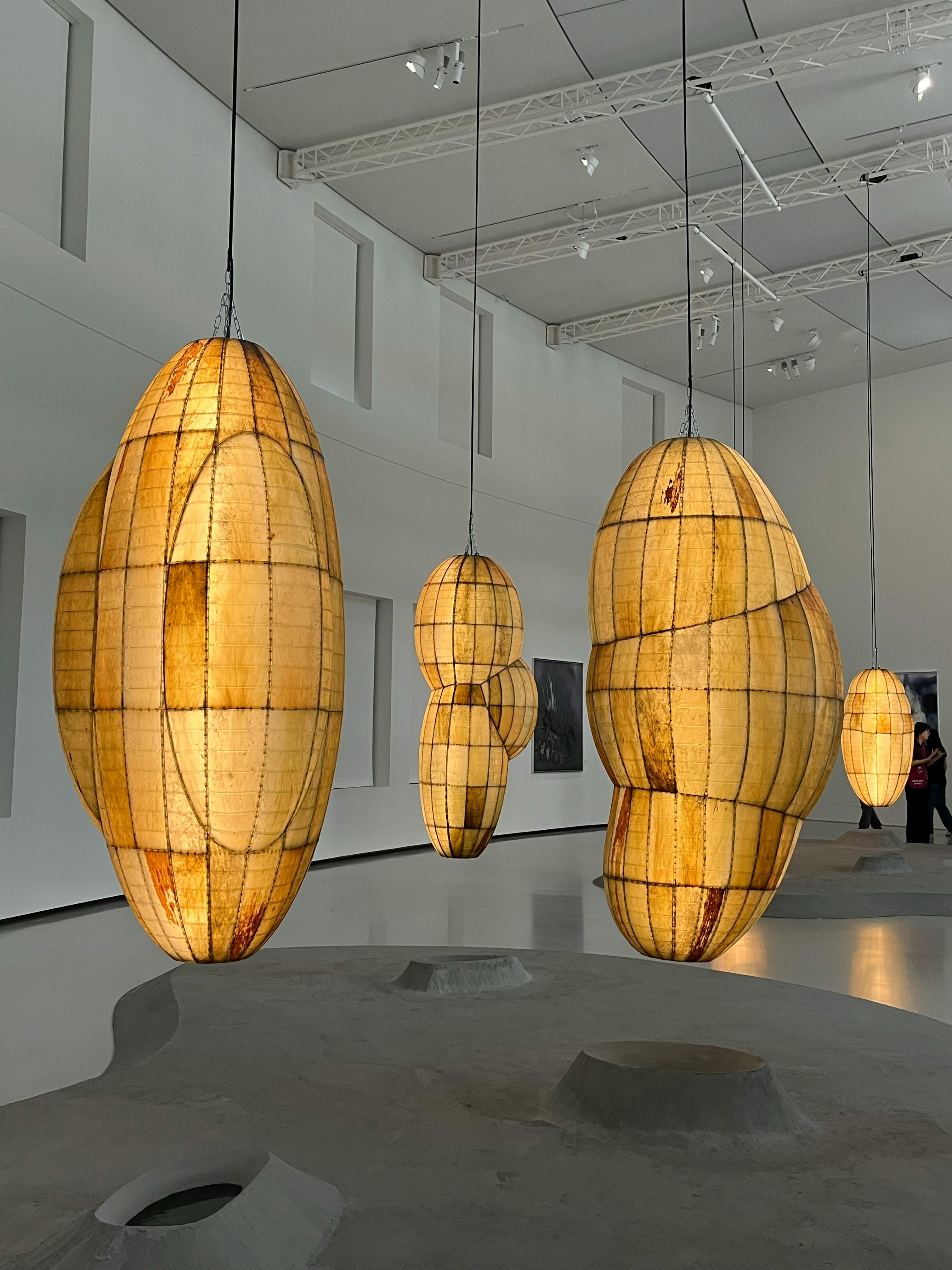

This Photo was taken by isaure devic.
Current market data reveals telling insights about Dubai’s gallery design preferences. Private collectors now allocate an average of 23% of their total collection budget to interior design and exhibition infrastructure, recognizing that proper presentation significantly impacts both artistic appreciation and investment value. This shift has created unprecedented demand for specialists who understand the nuanced requirements of luxury art spaces.
The integration of smart technology has become particularly crucial in Dubai’s climate-controlled gallery environments. Advanced HVAC systems, precision lighting controls, and security integration must work seamlessly within spaces that prioritize aesthetic beauty. This technical complexity requires designers who possess both artistic vision and deep understanding of conservation science.
Cultural significance in contemporary design
Dubai’s gallery spaces increasingly reflect the city’s multicultural identity while respecting the specific cultural contexts of displayed artworks. This sensitivity extends beyond mere aesthetic choices to encompass spatial flow, visitor circulation patterns, and the psychological impact of different architectural elements on art appreciation.
The most successful gallery designs create what museum professionals term “cultural neutrality” – spaces that enhance rather than compete with displayed artworks while providing subtle nods to regional design sensibilities. This approach has proven particularly effective for galleries showcasing rotating exhibitions or diverse permanent collections.
Design principles that define exceptional gallery spaces
Creating extraordinary gallery interiors requires mastering fundamental principles that govern how people interact with art in space. Dubai’s leading museum design specialists have identified five core elements that distinguish exceptional exhibition venues from conventional gallery spaces.
Spatial flow represents the most critical factor in gallery design success. Visitors should move through spaces naturally, with sight lines that create anticipation for upcoming artworks while allowing focused contemplation of current pieces. This requires careful consideration of wall placement, ceiling heights, and transition zones between different exhibition areas.
| Design Element | Standard Gallery | Luxury Gallery | Impact on Experience |
|---|---|---|---|
| Lighting Quality | Basic LED strips | Museum-grade adjustable systems | 45% improvement in artwork visibility |
| Wall Materials | Painted drywall | Specialized display surfaces | Enhanced acoustics and presentation |
| Climate Control | Standard HVAC | Precision environmental systems | Artwork preservation and comfort |
| Security Integration | Basic alarm systems | Invisible comprehensive protection | Visitor confidence and access |
Lighting design extends far beyond simple illumination to become a curatorial tool that shapes artistic interpretation. Premium gallery spaces employ layered lighting systems that combine ambient, accent, and task lighting to create dynamic environments that can adapt to different exhibition requirements. This flexibility proves essential for spaces hosting diverse collections or rotating shows.
Material selection for longevity and impact
The choice of materials in luxury gallery design reflects both aesthetic ambition and practical necessity. Premium exhibition spaces require surfaces that provide neutral backdrops for artworks while meeting stringent durability and maintenance standards. This balance has led to innovative material applications that push beyond traditional gallery conventions.
Natural stone, engineered surfaces, and specialty textiles create rich textural experiences that enhance rather than distract from displayed artworks. The key lies in selecting materials that age gracefully and can withstand the intensive cleaning and maintenance schedules required in high-traffic cultural spaces.
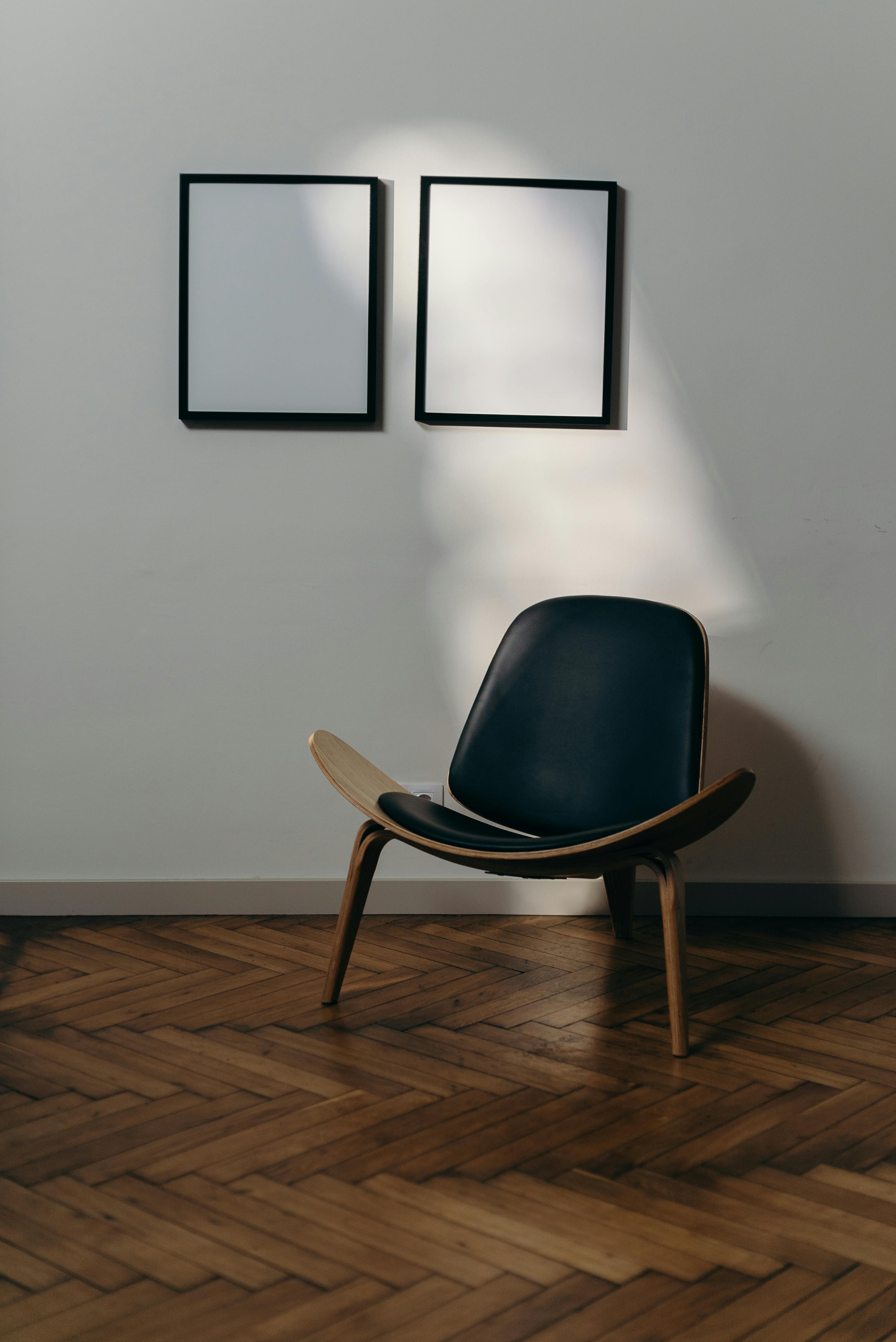

This Photo was taken by cottonbro studio.
Technology integration in modern exhibition spaces
The sophisticated gallery spaces emerging across Dubai in 2025 seamlessly blend cutting-edge technology with timeless design principles. This integration goes far beyond basic audio-visual systems to encompass comprehensive digital ecosystems that enhance both artwork presentation and visitor engagement without overwhelming the primary focus on artistic content.
Smart environmental controls represent perhaps the most critical technological advancement in contemporary gallery design. These systems monitor and adjust temperature, humidity, air quality, and lighting conditions in real-time, responding to factors such as visitor density, external weather conditions, and specific requirements of displayed artworks. Such precision proves essential for protecting valuable collections while maintaining optimal viewing conditions.
Digital display integration has evolved from simple wall-mounted screens to sophisticated projection mapping systems and interactive surfaces that provide contextual information without disrupting the contemplative gallery atmosphere. The most successful implementations remain virtually invisible until activated by visitor interest, preserving the serene environment essential for art appreciation.
Similar technological sophistication can be found in other luxury commercial spaces, particularly in high-end automotive showrooms where precision lighting and environmental control create optimal conditions for showcasing valuable vehicles, demonstrating how these principles translate across different luxury sectors.
Security systems that disappear
Modern gallery security operates on the principle of maximum protection with minimal visual impact. Advanced sensor networks, biometric access controls, and AI-powered monitoring systems work invisibly to protect valuable collections while allowing visitors to engage naturally with artworks.
The integration of security technology requires careful coordination with interior design elements to ensure that protective measures enhance rather than detract from the gallery experience. This includes concealed sensor placement, discrete camera positioning, and access control systems that blend seamlessly with architectural details.
Lighting mastery for artistic excellence
Exceptional gallery lighting represents both art and science, requiring deep understanding of how different light qualities affect color perception, visual comfort, and emotional response to artworks. Dubai’s premier museum design specialists have developed sophisticated approaches that go far beyond standard museum lighting guidelines to create truly transformative viewing experiences.
The foundation of superior gallery lighting lies in understanding that different artworks require different lighting approaches. Oil paintings benefit from warm, diffused illumination that enhances color richness, while contemporary sculptures may require dramatic directional lighting to emphasize form and texture. This flexibility demands lighting systems that offer precise control over intensity, color temperature, and beam angles.