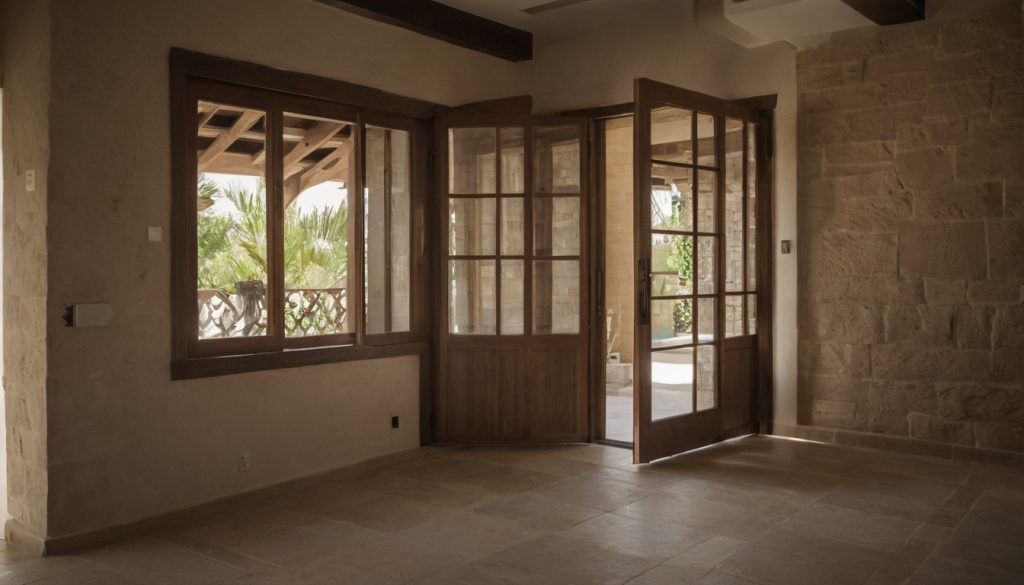
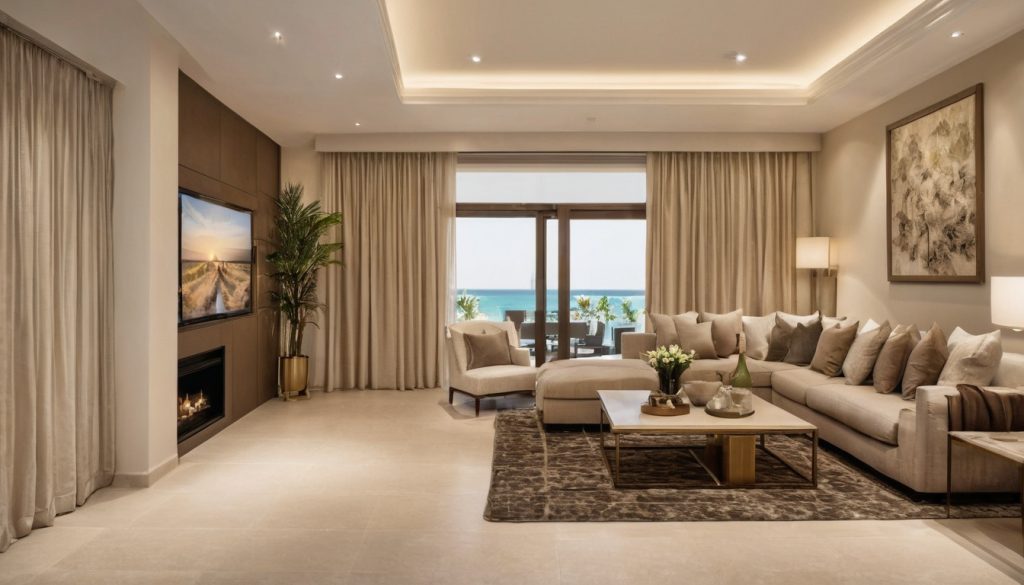
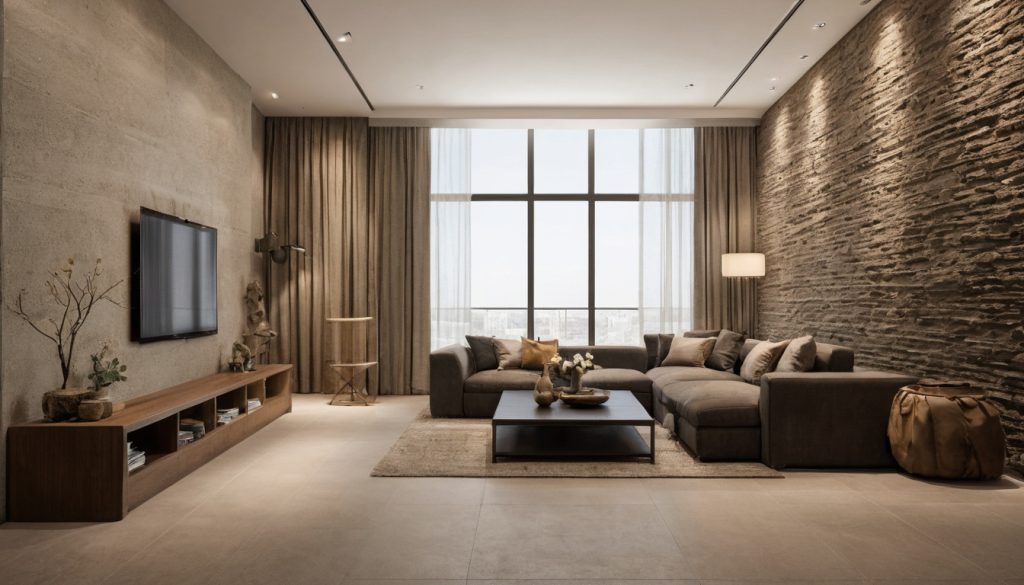
In Dubai’s ultra-luxury residential landscape, where every square meter commands premium value, the most discerning homeowners are making a surprising choice. Instead of allocating space to additional bedrooms or entertainment areas, they’re investing in elaborate private libraries that rival the world’s most prestigious academic institutions. These aren’t merely rooms with bookshelves – they’re sophisticated sanctuaries where rare manuscript collections meet cutting-edge digital integration, where leather-bound first editions coexist with climate-controlled preservation systems, and where the art of contemplative reading transforms into an immersive sensory experience.
The challenge lies in creating spaces that honor both the timeless reverence of literary tradition and the technological demands of modern luxury living. You need environments that protect valuable collections while providing the comfort and functionality expected in Dubai’s most exclusive residences. This comprehensive guide reveals how premier residential design specialists are crafting these extraordinary bibliophile sanctuaries, transforming the concept of home libraries into something far more profound than storage for books.
The renaissance of private libraries in Dubai’s luxury market
Dubai’s luxury real estate market has witnessed an unprecedented surge in demand for sophisticated private libraries, with luxury lifestyle spending in the UAE reaching $2.8 billion in 2025. High-net-worth individuals are increasingly viewing personal libraries not just as functional spaces, but as cultural investments that reflect intellectual sophistication and refined taste.
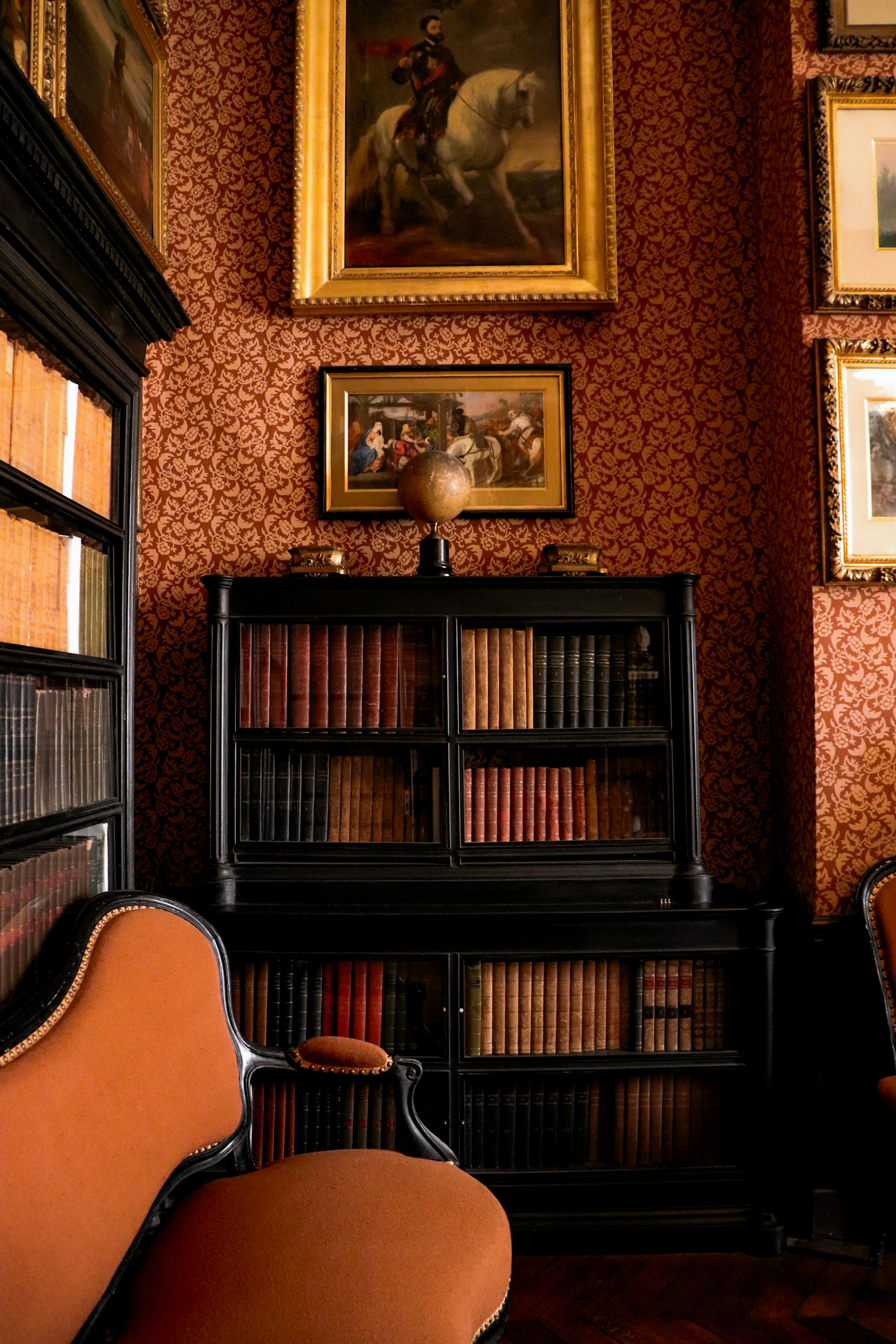

This Photo was taken by Céline |.
The trend represents a fascinating counterpoint to Dubai’s reputation for flashy displays of wealth. Instead, today’s ultra-high-net-worth residents are gravitating toward spaces that demonstrate cultural capital and intellectual depth. These libraries serve multiple purposes: private retreats for contemplation, impressive spaces for entertaining fellow bibliophiles, and carefully curated environments for preserving valuable literary collections.
Market dynamics driving library design innovation
Several factors contribute to this growing demand. The rise of remote work has increased the need for sophisticated home office spaces, while the global appreciation for physical books has grown despite digital alternatives. Additionally, Dubai’s position as a cultural hub between East and West creates unique opportunities for collectors to acquire rare manuscripts and first editions from diverse literary traditions.
| Design Element | 2024 Preference | 2025 Trend | 2026 Projection |
|---|---|---|---|
| Climate Control Systems | 85% Standard | 95% Advanced | 100% AI-Integrated |
| Digital Cataloging | 60% Basic | 78% RFID Systems | 90% Smart Integration |
| Rare Book Storage | 45% Dedicated | 72% Museum-Grade | 85% Conservation Level |
| Multi-Language Collections | 70% English Focus | 85% Multilingual | 95% Global Languages |
Architectural foundations for literary sanctuaries
Creating exceptional private libraries begins with understanding how architectural elements support both the preservation of books and the comfort of readers. Premier residential design specialists recognize that successful library design requires careful consideration of structural elements, spatial flow, and environmental controls from the earliest planning stages.

This Photo was taken by Rachel Claire.
Ceiling height and spatial proportions
Dubai’s luxury residences often feature generous ceiling heights, which library designers leverage to create dramatic floor-to-ceiling bookshelves that maximize storage while creating visual impact. The most successful designs incorporate mezzanine levels or gallery spaces, allowing for both intimate reading nooks and impressive display areas for rare collections.
Professional designers typically recommend minimum ceiling heights of 3.5 meters for single-story libraries, with double-height spaces reaching 6-7 meters becoming increasingly popular. These proportions allow for the installation of rolling ladder systems and upper-level storage while maintaining human-scaled reading areas at ground level.
Natural light management and window placement
Dubai’s intense sunlight presents unique challenges for library design. While natural light creates welcoming reading environments, direct sunlight can damage valuable books and manuscripts. Leading designers employ sophisticated glazing systems, automated blinds, and strategic window placement to harness daylight while protecting collections.
The integration of smart glass technology has become particularly popular, allowing homeowners to adjust transparency and heat transmission throughout the day. These systems work in conjunction with carefully positioned skylights and clerestory windows to create even, diffused lighting that changes naturally with the time of day.
Climate control and preservation technology integration
The harsh Dubai climate demands exceptional attention to environmental control systems within private libraries. Temperatures regularly exceeding 40°C and humidity fluctuations pose significant risks to paper, leather bindings, and delicate manuscripts. Professional preservation requires maintaining consistent temperatures between 18-21°C and relative humidity levels of 45-55%.


This Photo was taken by Vika Glitter.
Advanced HVAC systems for book preservation
Modern luxury libraries incorporate multi-zone HVAC systems that can maintain different environmental conditions in various areas. Rare book storage areas require more stringent controls than general reading spaces, while areas with digital equipment may need different temperature and humidity parameters.
The latest systems include molecular filtration to remove pollutants that can cause paper deterioration, as well as gradual acclimatization chambers for newly acquired books. These chambers slowly adjust environmental conditions to match the library’s climate, preventing thermal shock that can damage bindings and paper.
Smart monitoring and automated responses
Contemporary library designs integrate Internet of Things (IoT) sensors throughout the space, continuously monitoring temperature, humidity, air quality, and light levels. When parameters drift outside acceptable ranges, automated systems make immediate adjustments while sending alerts to both homeowners and library management services.
Some of the most sophisticated installations include predictive algorithms that adjust environmental conditions based on weather forecasts, occupancy patterns, and seasonal changes. This proactive approach prevents damage before it occurs while optimizing energy efficiency.
Luxury furniture and bespoke millwork solutions
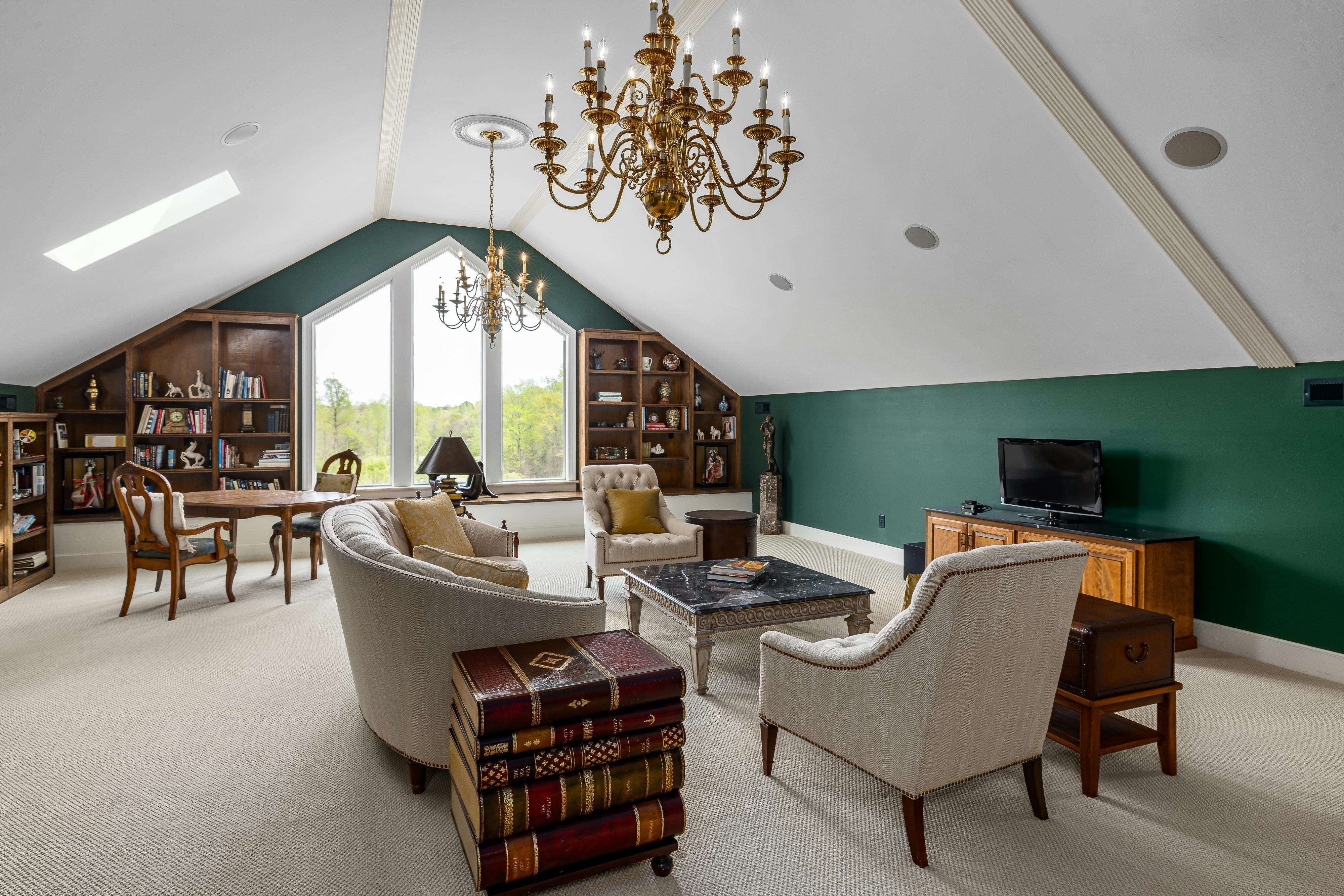
The furniture and built-in elements within Dubai’s luxury private libraries represent the pinnacle of craftsmanship and design sophistication. These pieces must balance aesthetic appeal with practical functionality, creating environments that inspire contemplation while protecting valuable collections.

This Photo was taken by Curtis Adams.
Custom shelving systems and storage solutions
Premier millwork specialists create shelving systems that accommodate books of varying sizes while providing specialized storage for oversized volumes, manuscripts, and digital media. The most successful designs incorporate adjustable shelving, hidden storage compartments, and integrated charging stations for electronic devices.
Materials selection focuses on stability and longevity, with many designers favoring seasoned hardwoods like mahogany, walnut, or oak that complement Dubai’s