Where tradition meets modernity in sacred spaces
The contemporary mosque interior design landscape in Dubai represents a fascinating intersection of spiritual reverence and architectural innovation. As the emirate continues to evolve as a global cultural hub, religious architecture specialists face the complex challenge of honoring centuries-old Islamic design principles while embracing modern aesthetics and functionality. The stakes are remarkably high: these sacred spaces must serve growing, diverse Muslim communities while respecting the profound spiritual significance that transcends mere architectural beauty.
Many religious architecture projects struggle to balance authenticity with contemporary appeal, often resulting in spaces that feel either outdated or disconnected from their spiritual purpose. The most successful mosque interior designs in Dubai achieve something extraordinary – they create environments that feel both timeless and thoroughly modern, spaces where traditional Islamic artistry enhances rather than competes with cutting-edge design solutions.
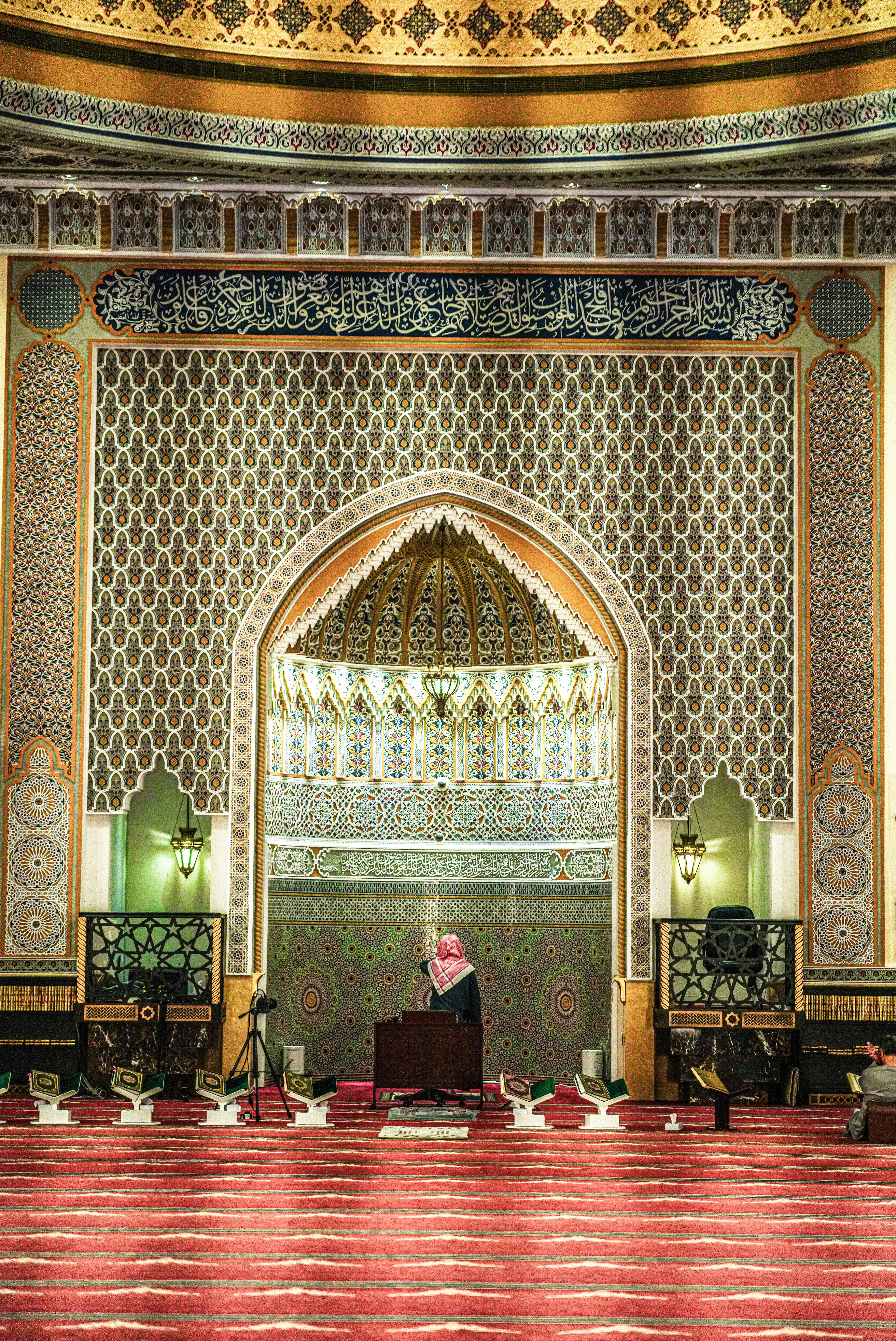

This Photo was taken by aboodi vesakaran.
The evolution of Islamic interior architecture in Dubai’s urban landscape
Dubai’s mosque interior design evolution reflects the emirate’s broader transformation from a traditional trading port to a cosmopolitan metropolis. Religious architecture specialists working on contemporary cultural fusion projects have developed sophisticated approaches that honor Islamic design principles while incorporating modern materials and technologies.
The traditional elements that define Islamic interior architecture – geometric patterns, calligraphy, mihrab design, and qibla orientation – remain central to contemporary mosque interiors. However, today’s specialists integrate these elements using advanced materials like sustainable marble alternatives, energy-efficient LED lighting systems, and climate-responsive ventilation solutions that address Dubai’s challenging desert environment.
| Traditional Element | Contemporary Application | Functional Benefit |
|---|---|---|
| Geometric Patterns | 3D-printed decorative panels | Enhanced acoustics and visual depth |
| Natural Light Integration | Smart glass technology | Climate control and glare reduction |
| Carpeting and Textiles | Sustainable fiber solutions | Improved durability and maintenance |
| Calligraphy | Digital projection systems | Dynamic content and multilingual display |


This Photo was taken by aboodi vesakaran.
Integrating cultural heritage with contemporary aesthetics
Premier religious architecture specialists understand that successful mosque interior design requires deep cultural sensitivity combined with innovative design thinking. The approach mirrors strategies used in harmonizing modernity with Arabesque heritage across Dubai’s luxury design sector.
Contemporary Islamic design principles emphasize creating spaces that facilitate spiritual contemplation while accommodating modern worship practices. This includes designing flexible prayer spaces that can accommodate varying congregation sizes, incorporating technology for audio-visual needs, and ensuring accessibility compliance without compromising traditional design integrity.
Materials and craftsmanship defining modern sacred spaces
The material palette for luxury mosque interiors in 2025 reflects both environmental consciousness and aesthetic excellence. Religious architecture specialists increasingly specify locally-sourced stone, recycled metals for decorative elements, and sustainable wood alternatives that maintain the warm, reverent atmosphere essential to worship spaces.
High-quality natural stone remains fundamental to mosque interior design, with specialists favoring Jerusalem stone, Carrara marble, and local sandstone varieties. These materials connect contemporary spaces to centuries of Islamic architectural tradition while providing the durability required for high-traffic religious facilities.


This Photo was taken by M. Omar.
Advanced lighting solutions for spiritual ambiance
Lighting design in contemporary mosque interiors requires sophisticated understanding of both technical requirements and spiritual atmosphere. Specialists employ layered lighting strategies that include natural light optimization, accent lighting for architectural features, and adjustable ambient lighting that supports different prayer times and community activities.
The integration of smart lighting systems allows for dynamic adjustment throughout the day, supporting the natural rhythm of Islamic prayer times while maintaining energy efficiency. These solutions often incorporate color temperature variation and dimming capabilities that enhance the spiritual experience without creating distractions.
Acoustic engineering and spatial design excellence
Acoustic performance represents one of the most critical technical aspects of mosque interior design. Religious architecture specialists must create spaces where the imam’s voice carries clearly to all worshippers without technological amplification, while also managing the acoustic challenges of large congregational prayers and community gatherings.
Contemporary acoustic solutions integrate traditional design elements – such as dome configurations and mihrab positioning – with modern sound engineering principles. Specialists often employ computer modeling to optimize sound distribution while maintaining the architectural integrity that defines Islamic sacred spaces.
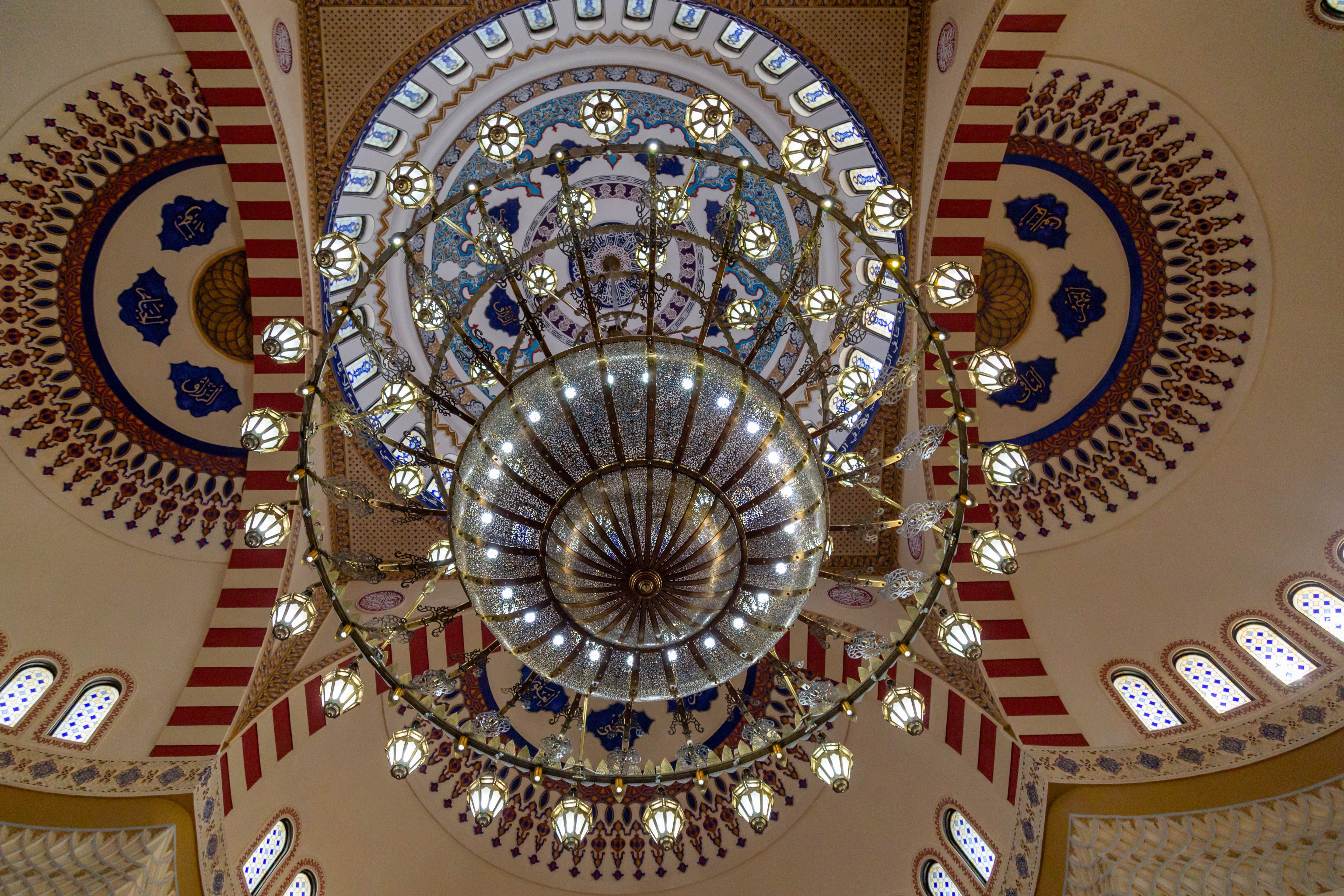

This Photo was taken by Leonardo Delsabio.
Spatial flow and community integration
Modern mosque design extends beyond the main prayer hall to encompass community spaces, educational facilities, and administrative areas. This comprehensive approach requires specialists to understand how different user groups – from daily worshippers to occasional visitors – navigate and utilize the space.
The most successful designs create intuitive circulation patterns that respect Islamic protocols while accommodating diverse community needs. This includes separate entrances for different user groups, flexible community spaces that can serve multiple functions, and transitional areas that help visitors understand the sacred nature of the prayer spaces.
Technology integration in contemporary worship environments
Religious architecture specialists increasingly incorporate discrete technology solutions that enhance worship experiences without disrupting traditional aesthetics. These systems include integrated sound reinforcement, digital displays for prayer times and community announcements, and climate control systems optimized for large gatherings.
The challenge lies in implementing these technologies in ways that remain invisible to worshippers while providing significant functional benefits. Successful projects often feature hidden cable management, integrated device charging stations, and wireless connectivity that supports modern communication needs without compromising the sacred atmosphere.


This Photo was taken by aboodi vesakaran.
Sustainability and environmental consciousness in sacred architecture
Environmental stewardship has become increasingly important in mosque interior design, reflecting Islamic principles of environmental responsibility. Contemporary projects incorporate sustainable luxury design principles through energy-efficient systems, water conservation measures, and materials with minimal environmental impact.
Solar orientation, natural ventilation strategies, and passive cooling techniques help reduce energy consumption while maintaining comfortable interior environments. These approaches often align naturally with traditional Islamic architecture principles, creating opportunities for innovation that honors both environmental and cultural values