The traditional approach to luxury retail design is dying in Dubai. While most commercial designers still focus on flashy displays and marble surfaces, the world’s most exclusive brands are quietly revolutionizing their showroom strategies. By 2026, the retail landscape will be dominated by spaces that don’t just showcase products—they create transformative experiences that blur the lines between shopping, entertainment, and lifestyle immersion.
If you’re planning a high-end retail space in Dubai, the old playbook of crystal chandeliers and gold accents won’t cut it anymore. Today’s discerning customers expect environments that tell stories, engage multiple senses, and offer personalized journeys that justify premium price points. The most successful luxury retailers are partnering with elite commercial design specialists who understand this fundamental shift from product-centered to experience-centered retail environments.
The psychology behind premium shopping environments
Understanding customer behavior in luxury retail spaces requires more than aesthetic intuition—it demands scientific precision. The most successful luxury interior design projects in Dubai now incorporate neurological research that reveals how spatial elements influence purchasing decisions.
Elite commercial design specialists have discovered that luxury shoppers make emotional decisions first, then rationalize them with logic. This insight drives every design choice, from the initial threshold experience to the final point of sale interaction. The most effective spaces create what psychologists call “aspiration zones”—areas where customers can envision themselves living the lifestyle the brand represents.
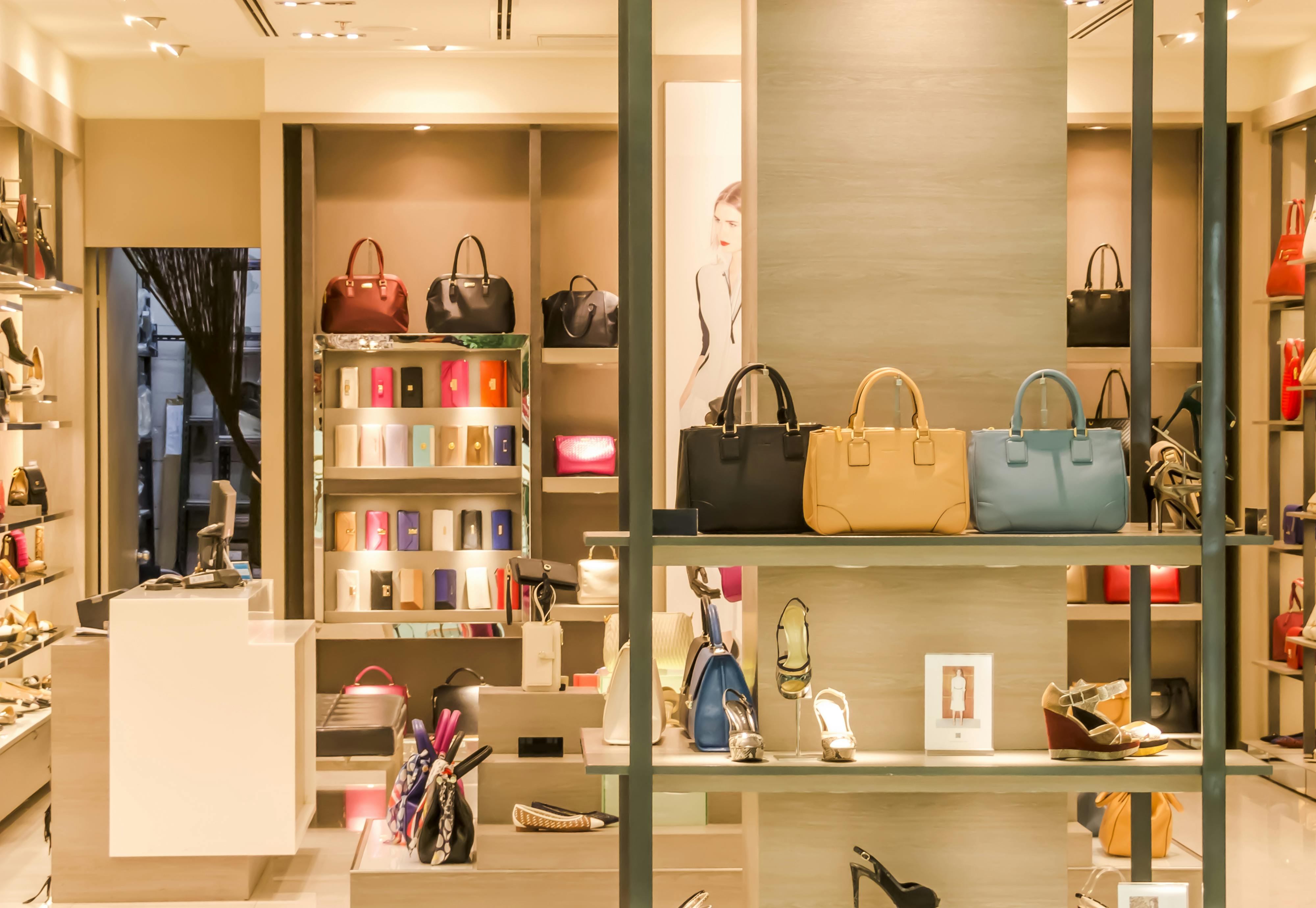
This Photo was taken by shattha pilabut.
Sensory hierarchy in luxury retail
The most sophisticated retail environments orchestrate all five senses to create memorable experiences. Visual elements dominate, accounting for approximately 83% of information processing, but the remaining 17% often determines whether a browser becomes a buyer. Research from McKinsey shows that multi-sensory retail experiences increase purchase intent by up to 40% in luxury categories.
Sound design has become particularly crucial in Dubai’s luxury retail spaces. The city’s multicultural environment requires acoustic solutions that appeal to diverse cultural preferences while maintaining brand consistency. Elite designers now employ sound architects who create bespoke audio landscapes that complement visual design elements and reinforce brand messaging.
Cultural adaptation in global luxury brands
Dubai’s position as a global luxury hub presents unique challenges for international brands. The most successful showrooms balance universal luxury appeals with local cultural sensitivities. This requires deep understanding of regional preferences, shopping behaviors, and social dynamics that influence purchasing decisions.
For instance, privacy requirements in certain luxury categories demand innovative spatial solutions that provide discretion without creating exclusion. The best commercial design specialists create flexible environments that can adapt to different cultural contexts while maintaining brand integrity. This approach has proven particularly effective for high-end residential design showrooms where family dynamics play significant roles in purchasing decisions.
Technology integration without sacrificing human connection
The biggest misconception in luxury retail design involves technology integration. Many brands assume that cutting-edge technology automatically enhances the luxury experience, but the opposite is often true. The most successful luxury retailers use technology to amplify human connections rather than replace them.
Elite commercial design specialists understand that technology should be invisible until needed. The goal is creating seamless experiences where digital elements enhance rather than distract from product appreciation and human interaction. This principle has transformed how luxury brands approach everything from inventory management to personalized shopping experiences.
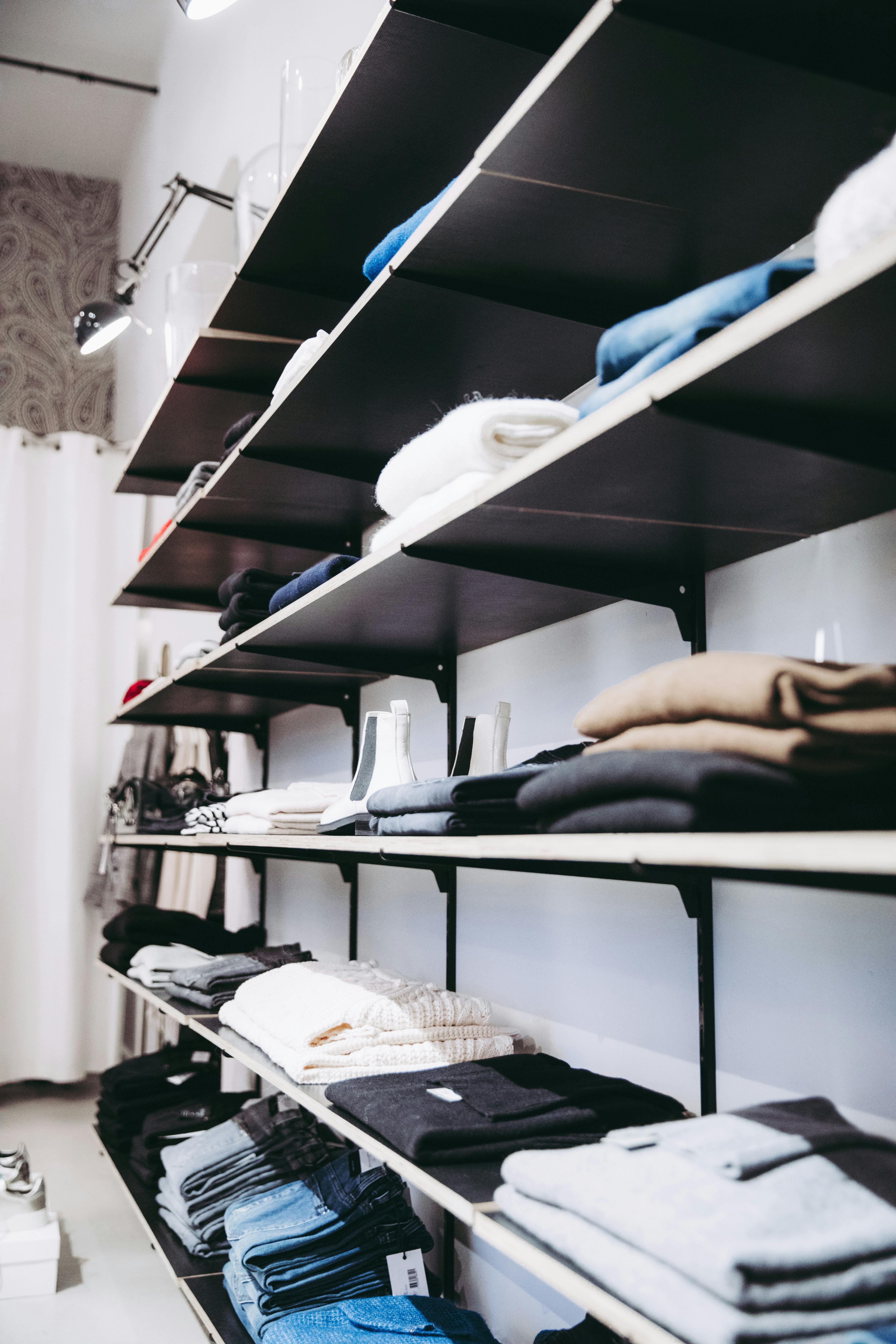
This Photo was taken by Tembela Bohle.
Invisible technology architecture
The most sophisticated retail environments incorporate what industry leaders call “invisible architecture”—technological systems that operate seamlessly behind beautiful surfaces. This includes everything from climate control systems that maintain perfect temperature and humidity levels for different product categories to lighting systems that automatically adjust based on time of day and natural light conditions.
| Technology Category | Visibility Level | Customer Impact | Implementation Cost |
|---|---|---|---|
| Environmental Controls | Invisible | High Comfort | $50K-$150K |
| Interactive Displays | Selective | Enhanced Information | $25K-$75K |
| Security Systems | Invisible | Confidence Building | $30K-$100K |
| Personalization Tools | On-Demand | Customized Experience | $40K-$120K |
Augmented reality in luxury retail
Augmented reality applications have matured significantly in luxury retail environments. Rather than gimmicky displays, the most effective AR implementations help customers visualize products in their personal contexts. This is particularly valuable for furniture, art, and home décor categories where spatial relationships matter tremendously.
The key lies in implementation subtlety. The most successful luxury retailers offer AR experiences as optional enhancements rather than mandatory interactions. This respects customer autonomy while providing valuable tools for those who want deeper product exploration. These principles align closely with approaches used in luxury art gallery design where technology supports but never overshadows the primary experience.
Spatial choreography and customer journey mapping
The most successful luxury retail spaces function like carefully choreographed performances. Every step of the customer journey is planned, from the moment someone approaches the exterior to their departure experience. Elite commercial design specialists study traffic patterns, dwell times, and interaction points to create spaces that guide without forcing.
This approach requires understanding the difference between browsers and buyers, recognizing purchase signals, and creating appropriate spaces for different customer types. The most sophisticated spaces offer multiple journey options, allowing customers to self-select their preferred level of engagement and assistance.
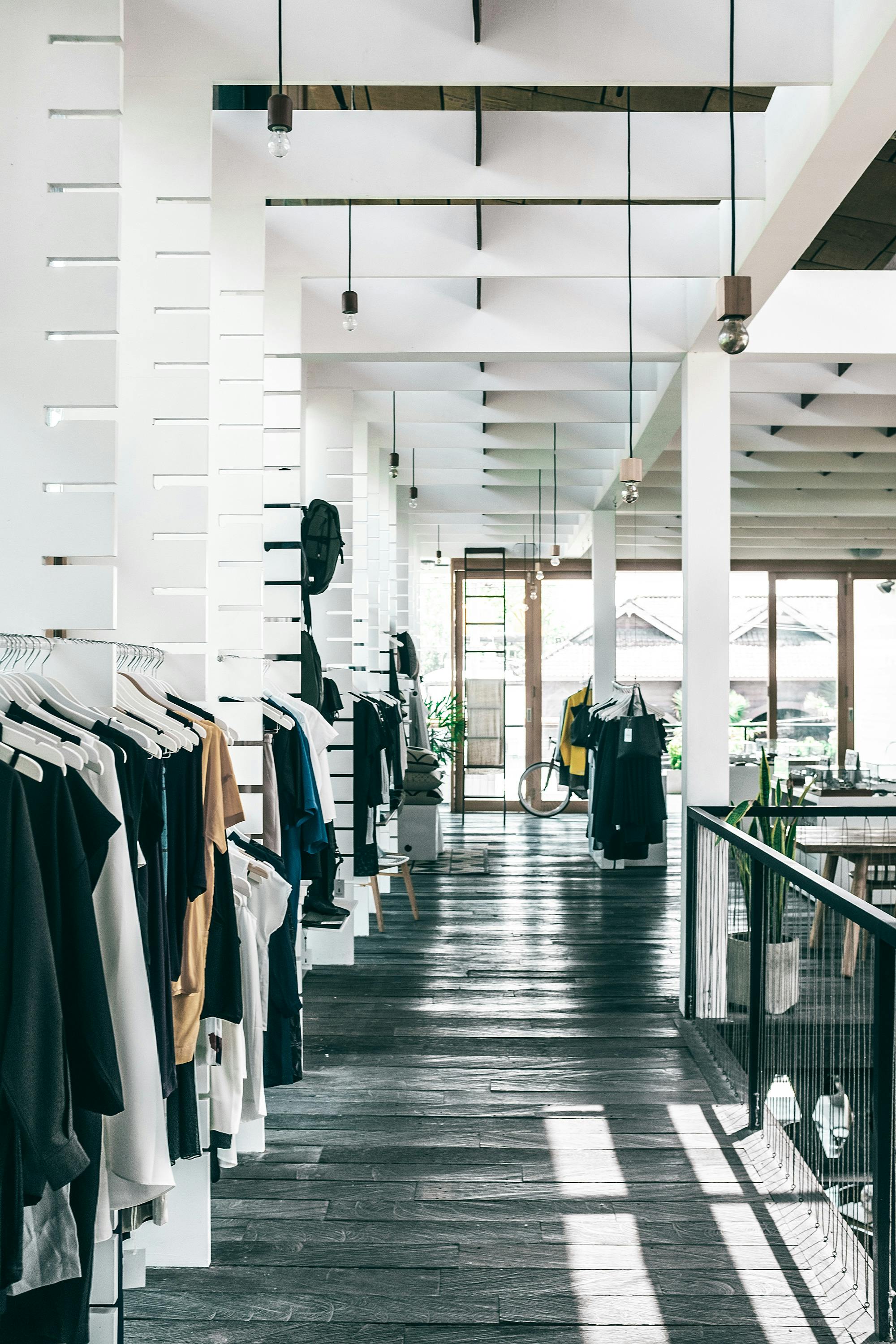
This Photo was taken by Maria Orlova.
Threshold design psychology
The entrance experience sets expectations for the entire visit. Research indicates that luxury shoppers form lasting impressions within the first 90 seconds of entering a space. This makes threshold design one of the most critical elements in luxury retail environments.
The most effective entrances create what designers call “decompression zones”—areas that help customers transition from the outside world into the brand environment. These spaces manage expectations, establish brand personality,