You are choosing between a company with a beautiful Instagram feed and a company that can prove it has delivered the same kind of villa or apartment under Dubai site conditions. The wrong choice can turn a renovation deposit into missing drawings, late materials, approval delays, contractor disputes, and rooms that cost far more to correct than they would have cost to document properly.
How should Dubai homeowners shortlist interior design companies before judging their style?
Dubai homeowners should shortlist interior design companies by project fit before visual preference. For villas, apartments, and renovation projects in Dubai, the first filter is whether the company’s license, completed portfolio, approval experience, and documentation process match the property type, scope size, community rules, and expected procurement responsibility.
The cost of choosing in the wrong order is not just an ugly room. A villa owner can approve a beautiful concept, pay a design deposit, then discover that the company cannot manage wet-area changes, contractor coordination, joinery details, community NOCs, or site-stage decisions. The practical shortlist should remove that risk before mood boards enter the discussion.
A Dubai interior design company’s license should match the service it is offering
A Dubai trade license should match the service being sold. A company offering concept design, furniture selection, styling, and drawings is not carrying the same risk as a company offering demolition, MEP alteration, civil works, joinery installation, marble fixing, or turnkey fit-out execution.
Dubai clients should ask for the company’s trade license and read the listed activities, not just the company name. Design consultancy, interior decoration, fit-out works, building contracting, project management, and materials trading can sit under different activity descriptions depending on whether the firm is licensed through mainland Dubai or a free zone. The UAE Ministry of Economy and Tourism maintains official information on establishing business in free zones, and its navigation separates topics such as free zones, legislative environment, establishing businesses, and company setup, which is a reminder that license context matters before relying on a sales proposal.
The homeowner’s decision checklist should be simple:
- Design-only scope: ask whether the deliverables include concept layouts, mood boards, finishes, furniture selection, lighting intent, and technical drawings suitable for contractor pricing.
- Design with contractor coordination: ask who checks site measurements, contractor shop drawings, samples, variations, and installation quality.
- Design-and-build scope: ask whether the company itself is licensed and insured to execute fit-out, or whether execution is passed to another contractor.
- Procurement scope: ask whether the company is supplying materials, arranging purchases as an agent, or only specifying suppliers for the client to buy from.
A license check does not prove quality. It only proves whether the firm’s legal position appears aligned with the promise being made, which is why license review should sit beside portfolio proof and document review.
A Dubai portfolio is relevant only when the property type and scope are comparable
A Dubai portfolio proves fit only when the past project carries similar constraints. A restaurant, showroom, or hospitality lobby can show taste and detailing ability, but it does not automatically prove that the same team can manage a lived-in villa renovation in Emirates Hills, a handover apartment in Dubai Marina, or a townhouse upgrade in a master-planned community.

How should Dubai homeowners shortlist interior design companies before judging their style shown as a planning reference for layout, scale, and material decisions.
Portfolio format can also mislead buyers. The National Design Academy describes an online interior design portfolio as a visual CV that may be presented as a PDF, flipbook, or simple portfolio website, where style carries more weight than written content. That is useful for first impressions, but a Dubai homeowner needs a second layer of evidence: built work, scope similarity, approvals experience, and the drawings behind the images.
Comparable portfolio evidence should match the pressure points of the new project. Villa renovations often involve wet-area changes, external works, pergolas, pools, facade restrictions, landscape interfaces, air-conditioning coordination, and community access rules. Apartment projects often involve lift booking, floor protection, noise timing, waste removal, waterproofing control, fire-system interfaces, and building-management permits.
Shortlist a firm only after asking these project-fit questions:
- Has the company completed the same property type, such as villa, townhouse, penthouse, apartment, or serviced residence?
- Was the shown project built, photographed, and handed over, or was it only a render or concept?
- Did the company design only, coordinate a separate contractor, or execute the fit-out under its own responsibility?
- Did the scope include joinery, lighting, MEP coordination, sanitaryware, stone, loose furniture, and procurement?
- Were authority, community, or building-management approvals part of the company’s actual role?
The stronger shortlist is rarely the one with the most dramatic Instagram grid. The stronger shortlist is the one where each company can show that its license, property experience, and scope history match the risk profile of your Dubai home, which leads to the next question: what portfolio evidence proves the work was actually completed?
What portfolio evidence proves a Dubai interior design company has completed real work?
A Dubai interior design company’s portfolio is stronger when it shows completed spaces, construction-stage evidence, client-approved drawings, and traceable project context. For residential buyers in Dubai, the useful evidence is not a mood image; it is proof that the company has taken similar spaces from brief to handover under local site conditions.
An interior design portfolio is still a valid first filter. The National Design Academy describes a designer’s portfolio as a first impression and evidence of strengths, but that strength has a limit for Dubai buyers: a beautiful portfolio can prove taste before it proves delivery. Treat every image as a claim that needs context, date, scope, and status.
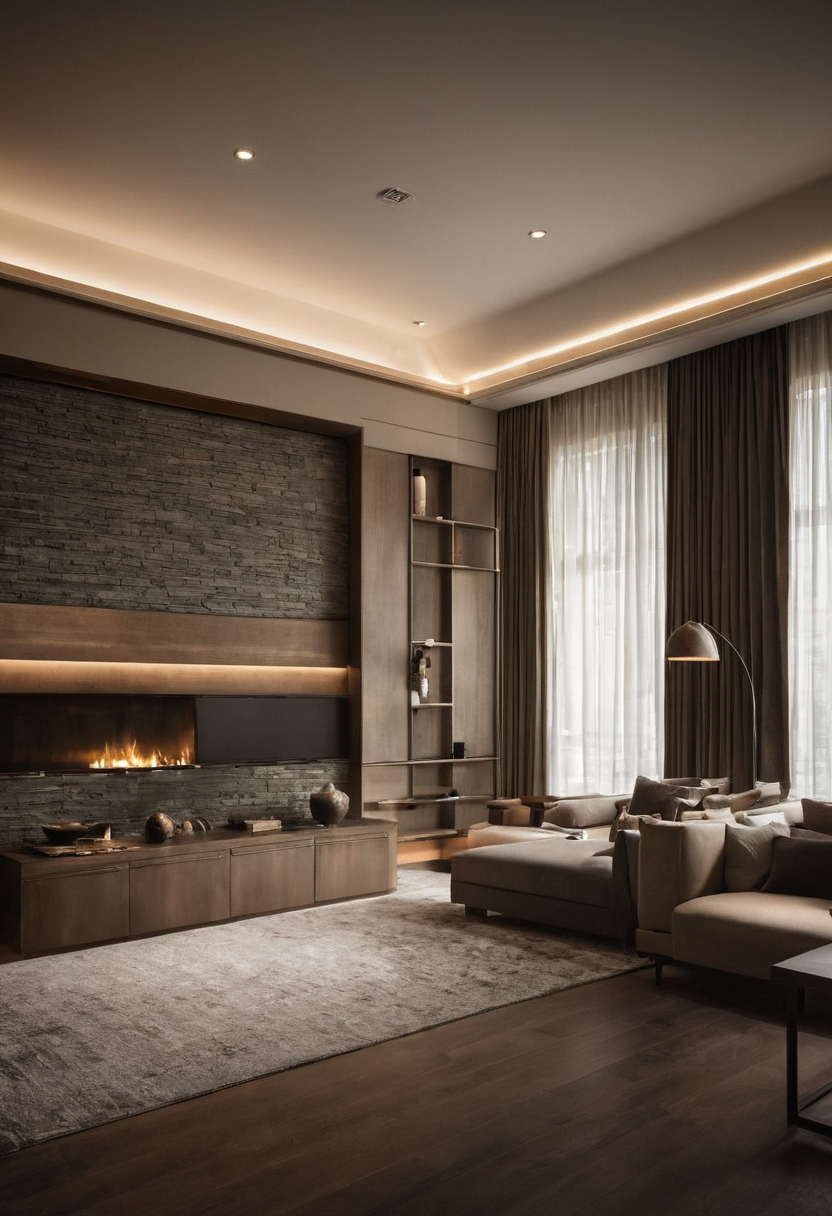

What portfolio evidence proves a Dubai interior design company has completed real work shown as a planning reference for layout, scale, and material decisions.
Completed photography should be separated from renders in every Dubai portfolio review
Completed photography should be labelled separately from concept renders, 3D visuals, styling shoots, and ongoing-site images. A Dubai villa buyer should ask the company to mark each project as concept, render, completed project, turnkey project, renovation, fit-out, or styling. Those labels matter because a rendered majlis, a photographed handover, and a furniture-only refresh carry different delivery risk.
- Ask for final photography from at least one similar villa or apartment, not only cropped detail shots.
- Ask whether the image shows design-only work, procurement, fit-out supervision, or full turnkey delivery.
- Ask for anonymised evidence if privacy blocks the address, such as dated handover photos, approved boards, or site meeting records.
- Check whether the same room appears as a render and as a completed space with matching ceiling, joinery, lighting, and finishes.
Portfolio pages can be PDFs, websites, or digital presentations, and NDA notes that online portfolios may include CAD renders or digital photographs. The buyer’s diagnostic is simple: if the company can upload polished visuals but cannot separate built work from visualisation, the portfolio is not yet evidence of execution.
Site-progress images reveal whether the interior design company understands execution
Site-progress images expose the parts of a Dubai renovation that final photography hides. Useful evidence includes demolition protection, MEP rough-in, ceiling framing, waterproofing preparation, stone templating, joinery carcass installation, lighting mock-ups, and snagging close-outs. These images show whether the designer understands sequencing, access constraints, dust control, neighbour rules, and contractor coordination.
A strong Dubai portfolio connects technical decisions to finished comfort. If a company claims lighting performance, ask for a lighting plan, fixture schedule, and final night photos; ENERGY STAR states that qualified LED lighting uses at least 75 percent less energy and lasts up to 25 times longer than incandescent lighting where those products apply. If a company promotes healthy finishes, ask for paint and adhesive specifications, because the U.S. Environmental Protection Agency identifies paints, varnishes, waxes, cleaning products, building materials, and furnishings as common indoor VOC sources and recommends increased ventilation when VOC-emitting products are used indoors.
Client references should confirm scope, not just satisfaction
Client references should verify what the interior design company actually delivered. A friendly testimonial saying “we loved the result” is weaker than a short call confirming drawings issued, approvals handled, procurement tracked, site visits made, variations explained, and defects resolved. Dubai clients should ask scope questions before asking taste questions.
- What was the property type, villa community or apartment tower, and renovation scope?
- Did the company issue drawings, material schedules, and site instructions before work started?
- Who controlled contractor coordination, supplier follow-up, approvals, and snagging?
- Were budget changes recorded before procurement or after installation?
- Did the company respond when joinery, stone, lighting, or wet-area details needed correction?
The strongest portfolio evidence combines completed photography, site-stage proof, and a reference that confirms the same scope. Once that evidence looks real, the next question is whether the company has the drawings and documents to repeat the result on your project.
Which drawings and documents show that an interior design company in Dubai can deliver beyond Instagram images?
A capable Dubai interior design company should be able to show a controlled sample of its drawing package, material schedule, specifications, and BOQ coordination method. For villas and apartments, these documents prove whether the design can be priced, approved, procured, built, inspected, and maintained without relying on attractive images.
A Dubai residential design package should move from concept to technical documentation
Concept images show taste; technical drawings show buildability. A serious Dubai residential package normally moves from mood boards and concept layouts into schematic plans, detailed design, tender drawings, issued-for-construction drawings, contractor shop drawings, and as-built records after site changes.
The homeowner should ask to see anonymised samples, not another glossy presentation. Useful samples include a furniture layout, reflected ceiling plan, lighting layout, switching plan, power and data plan, floor finish plan, wall elevations, joinery details, wet-area details, door schedule, ironmongery notes, and coordinated ceiling access panel locations.
- Concept design: mood direction, space planning, broad material palette, and key renders.
- Schematic design: layouts, ceiling intent, lighting intent, and main elevation direction.
- Detailed design: dimensions, finishes, junctions, joinery sections, fixture references, and coordination notes.
- Tender or IFC package: drawings clear enough for contractors to price, build, and query before site work starts.
- Shop drawings: contractor, joinery, stone, metal, glass, MEP, or specialist supplier drawings that prove fabrication details.
- As-built records: final marked drawings showing what changed during execution.
The risk test is simple: if the company cannot explain which documents are produced by the designer, contractor, consultant, supplier, and specialist subcontractor, the client may inherit coordination gaps during fit-out.
Material schedules reduce the cost of substitution mistakes in Dubai interiors
A material schedule protects the client from a common Dubai problem: a render shows one finish, the quotation allows another, and the delivered site receives a third. The schedule should name the product type, finish, size, supplier, lead time, warranty position, installation note, and maintenance requirement.
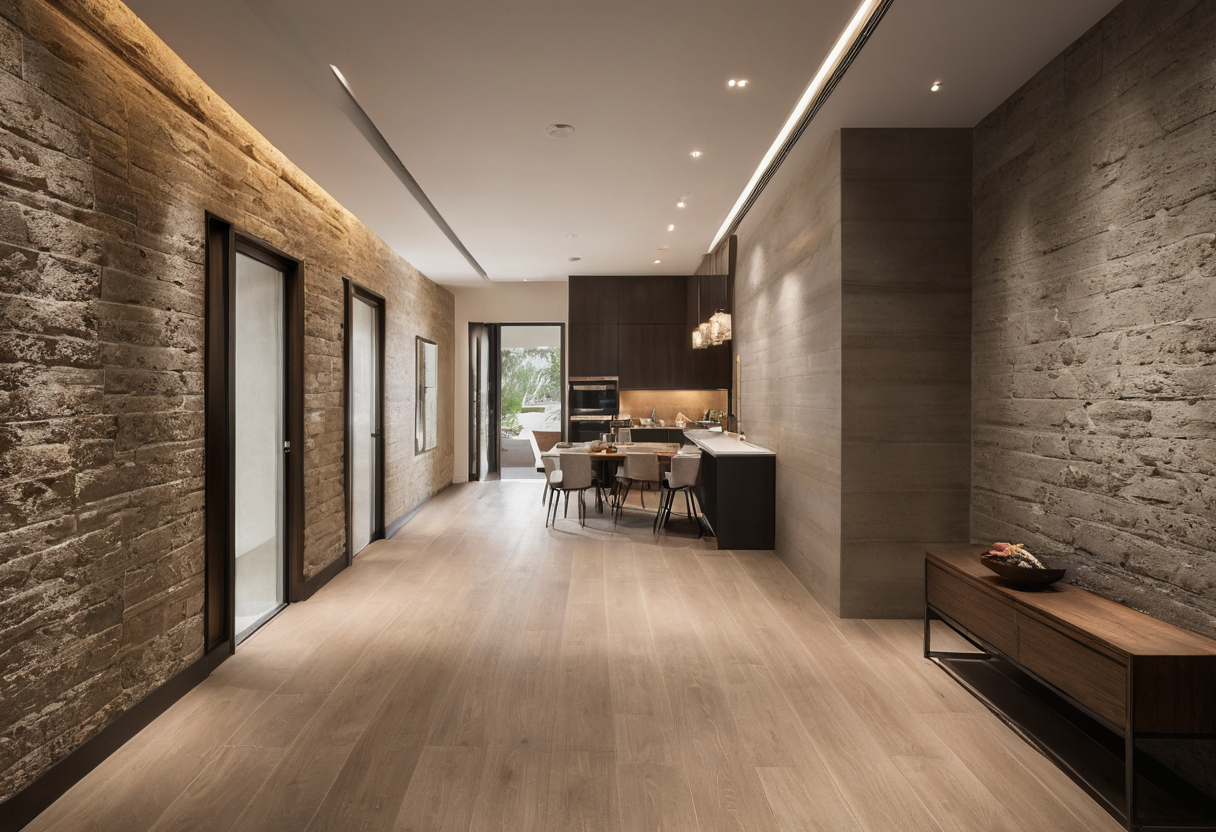

Which drawings and documents show that an interior design company in Dubai can deliver beyond Instagram images shown as a planning reference for layout, scale, and material decisions.
Dubai interiors also punish vague specifications because imported stone, veneer, fabric, lighting, sanitaryware, outdoor finishes, adhesives, sealants, and metal coatings can react differently to heat, humidity, dust, air-conditioning cycles, and semi-exterior exposure. A marble vanity top, timber veneer wardrobe, brass-effect handle, or outdoor-rated fabric should not be approved from an image alone.
Natural stone is a useful example. The Natural Stone Institute recommends neutral cleaners, stone soap, or mild liquid dishwashing detergent with warm water for natural stone care, and warns that scouring powders or abrasive creams can scratch stone surfaces. That level of maintenance note belongs in the specification before the client approves stone for floors, counters, walls, or wet areas.
A BOQ or cost plan should connect design decisions to procurement risk
A BOQ or cost plan shows whether the interior design company understands how design choices become financial exposure. The homeowner does not need a full commercial tender during early vetting, but the company should show how quantities, allowances, provisional sums, alternates, exclusions, lead times, and variations are tracked.
- Prime cost item: a client-selected item carried as an allowance until the final product is chosen.
- Provisional sum: a budget placeholder for work that is not yet fully defined.
- Variation: a change in scope, quantity, specification, or site condition after agreement.
- Nominated supplier: a supplier selected or required by the client, designer, developer, or project team.
- Lead time: the ordering period that can affect handover if imported or custom items arrive late.
The strongest portfolio review connects drawings, schedules, and BOQ logic in one chain: what is drawn, what is specified, what is priced, what is ordered, and what is installed. The next risk is whether the same evidence still matters once Dubai approvals, building rules, and community restrictions enter the project.
Why do Dubai approvals and community rules change whether an interior design portfolio is relevant?
A Dubai interior design portfolio is relevant only if the company has handled the approvals and property restrictions that apply to the client’s project. Villa communities, apartments, free zones, master developers, and building management teams can affect demolition, MEP changes, façade works, wet areas, deliveries, working hours, and contractor access.
Approval experience is not transferable in a simple way. A firm that delivered a loose-furniture apartment in Downtown Dubai has not automatically proved capability for a villa extension, pool alteration, kitchen relocation, or ceiling change near fire-safety services. The useful question is not “Have you worked in Dubai?” but “Have you worked under this authority, this developer, this building, and this type of alteration?”
A villa portfolio should show experience with community NOCs and alteration limits
A villa portfolio should include evidence of community NOCs, alteration submissions, and site constraints, not only completed living rooms and bedrooms. In many Dubai villa communities, master developers or community managers may review external works, façade changes, pergolas, boundary walls, pools, landscaping interfaces, driveway changes, and service upgrades before contractors start work.
Villa restrictions usually become expensive when the design changes the shell or services. A new wet area, heavier stone cladding, enlarged openings, roof equipment, outdoor kitchen, or pool-side structure can trigger structural, waterproofing, drainage, MEP, and neighbour-impact questions. Depending on location and scope, approval pathways may involve a master developer, Dubai Municipality, Dubai Development Authority, Trakhees, Dubai Civil Defence, or an appointed community management team.
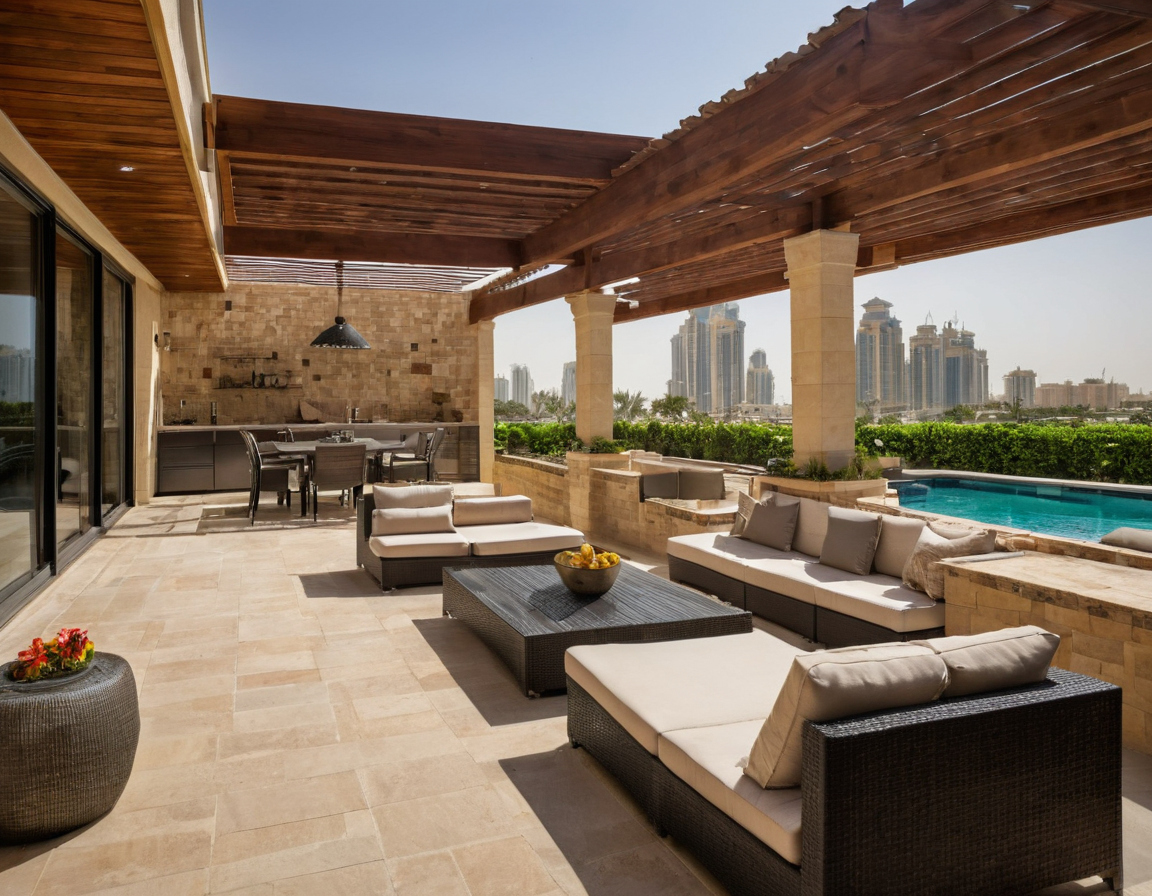

Why do Dubai approvals and community rules change whether an interior design portfolio is relevant shown as a planning reference for layout, scale, and material decisions.
Portfolio evidence should therefore show more than “after” photography. Ask for a redacted NOC sequence, marked-up authority comments, approved external elevation, contractor access plan, or site photo showing protection of existing finishes and neighbouring areas. A designer who has navigated these constraints will usually discuss setbacks, façade consistency, work-hour rules, waste removal, delivery routes, and security gate access before promising a programme.
An apartment portfolio should show building-management and vertical-transport planning
An apartment portfolio should prove that the interior design company can work inside an occupied tower, where logistics often control the renovation. Building management may require fit-out deposits, contractor registration, method statements, insurance documents, lift bookings, lift protection, corridor protection, waste removal plans, and defined noisy-work hours before any demolition or delivery.
Apartment risk increases when the design touches wet areas, fire systems, ceilings, or shared building services. Bathroom changes can raise waterproofing and drainage questions. Ceiling redesign can clash with sprinklers, smoke detectors, access panels, air-conditioning grilles, or chilled-water services. Even a simple marble slab delivery can fail if the service lift size, loading bay timing, or common-area protection has not been checked.
Relevant apartment case studies should show the constraint, not hide it. Ask whether the firm has worked in comparable towers, handled management approval packs, planned vertical transport, sequenced noisy work, and coordinated specialist suppliers around live neighbours. Once portfolio relevance is tested against approvals, the next risk is commercial: which questions expose pricing, procurement, and fit-out responsibility before appointment?
What questions expose pricing, procurement, and fit-out risk before appointing a Dubai interior design company?
Before appointment, a Dubai client should ask how the interior design company prices its service, controls procurement, handles contractor coordination, and records variations. These questions matter most when the project includes imported finishes, custom joinery, MEP changes, site supervision, or a turnkey promise with unclear exclusions.
A Dubai interior design fee should identify deliverables, revision limits, and site attendance
A headline design fee means little unless the proposal states the deliverables behind it. Dubai interior design companies may charge a fixed design fee, a percentage of project cost, an hourly fee, a supervision fee, a procurement fee, or a design-and-build margin inside the fit-out price.
The client should ask for a scope of services that separates concept design, space planning, mood boards, 3D visuals, technical drawings, finishes schedules, tender support, site visits, snagging, and styling. The proposal should also state how many revision rounds are included and what triggers an additional fee.
Common exclusions in Dubai residential proposals include authority submissions, engineering calculations, lighting calculations, MEP design, structural review, contractor tendering, procurement administration, full project management, final accessories, and post-handover defect follow-up. If these items are not named, the client may discover the gap only after the contractor asks for missing information.
Procurement transparency matters when Dubai interiors rely on imported or custom materials
Procurement questions expose whether the designer is acting as adviser, purchasing agent, reseller, or design-build supplier. The client should ask who places orders, who receives supplier invoices, who owns the warranty, who pays shipping and customs costs, and who carries the risk if an item arrives damaged or late.
Dubai interiors often depend on imported lighting, sanitaryware, stone, loose furniture, specialist wall finishes, appliances, and custom joinery hardware. A responsible proposal should state allowances, lead-time assumptions, approved alternates, storage responsibility, delivery access, and what happens if the selected item becomes unavailable before installation.
The most useful question is simple: “If this finish is substituted, who approves the replacement and how is the cost difference recorded?” The answer should refer to a written variation process, not a WhatsApp approval buried between site photos and delivery updates.
Fit-out coordination should be defined even when the company is design-only
A design-only interior company can still add value during execution, but only if the contract defines the company’s role on site. Design supervision means checking whether the work follows the design intent. Project management means coordinating time, cost, procurement, contractors, and reporting. Construction responsibility remains with the licensed contractor unless the agreement clearly says otherwise.
The client should request a responsibility matrix before signing. The matrix should identify who handles authority or community approvals, site measurements, MEP coordination, shop drawing review, samples, mockups, procurement approvals, variation pricing, inspections, snagging, and handover documents.
This question also connects to the wider decision of who should hold your Dubai villa scope. Vetting the designer comes first, because a beautiful portfolio does not prove who will protect the client when drawings, purchases, site conditions, and contractor claims collide.
If the company gives confident verbal answers but avoids written exclusions, the next check is sharper: look for red flags that show the firm is marketing-led rather than delivery-led.
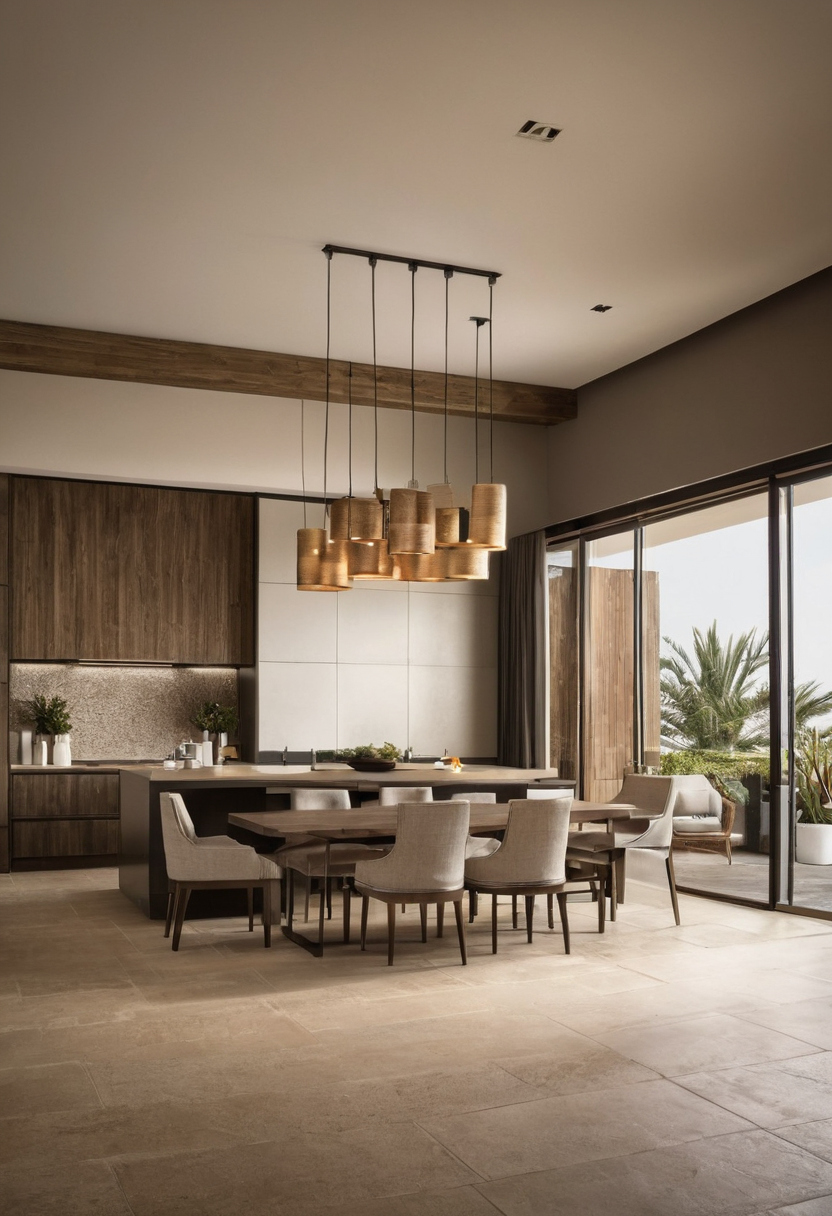
What questions expose pricing, procurement, and fit-out risk before appointing a Dubai interior design company shown with floor, wall, and fixture relationships visible.
What red flags suggest a Dubai interior design company is marketing-led rather than delivery-led?
A marketing-led Dubai interior design company may still have strong taste, but selection risk rises when the company cannot prove completed work, explain approvals, show technical documents, identify who built the project, or define procurement responsibility. The red flags are strongest for villas, wet areas, structural changes, and imported-material schemes.
A render-heavy portfolio is risky when the company cannot show built equivalents
A render is not a problem by itself. A render becomes a risk when the same company presents concept images as delivery evidence, especially for marble bathrooms, concealed lighting, curved joinery, double-height walls, kitchens, and outdoor villa upgrades where site tolerances and material lead times decide the result.
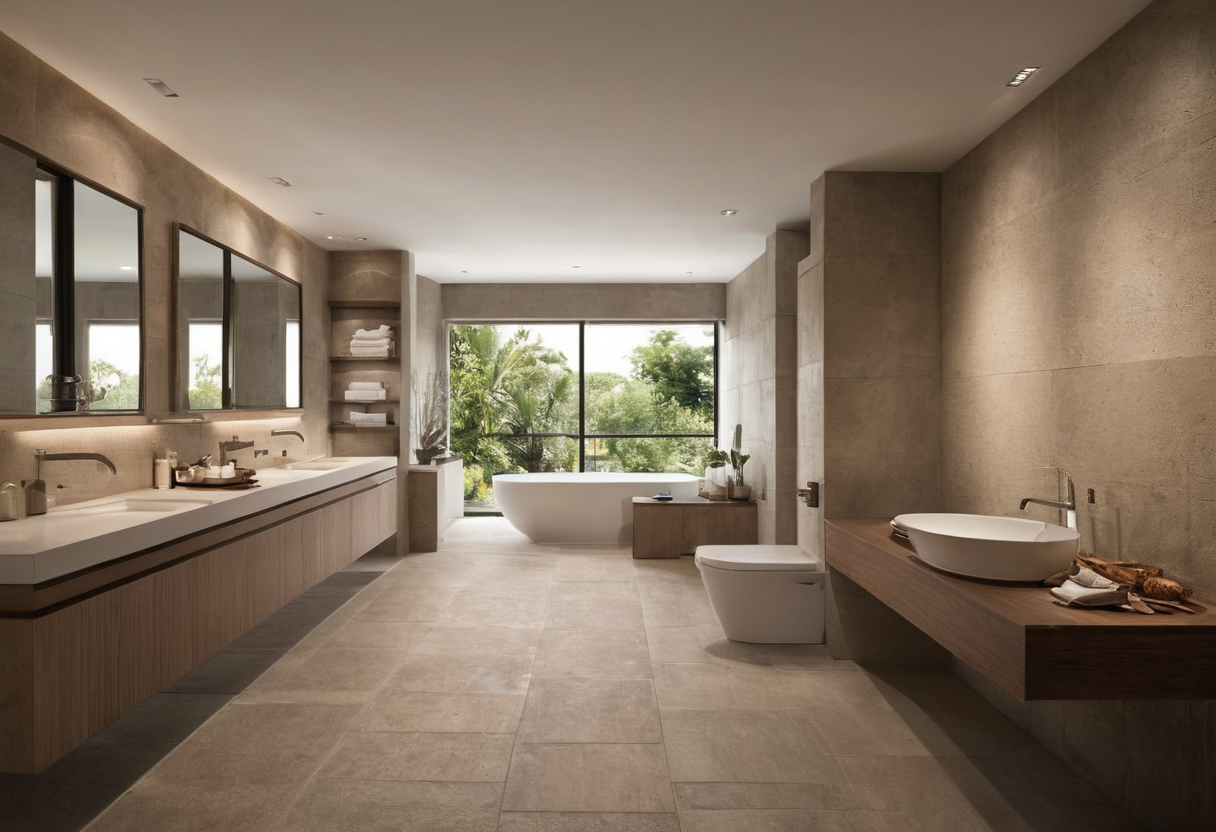
What red flags suggest a Dubai interior design company is marketing-led rather than delivery-led shown as a planning reference for layout, scale, and material decisions.
A Dubai client should ask direct questions when most portfolio images look computer-generated:
- Which images are completed photography, which are renders, and which are ongoing site work?
- Can the company show the same room at concept, site-progress, and final handover stages?
- Who produced the shop drawings, joinery details, lighting coordination, and installation method?
- Which contractor, supplier, or project manager delivered the built version?
- What changed between the approved design and the finished project, and why?
A weak answer usually sounds polished but avoids responsibility. “Our contractor handled that” may be acceptable only if the appointment clearly separates design scope from fit-out scope and the client can verify the contractor’s role.
Vague contractor relationships create accountability gaps in Dubai fit-out projects
Dubai residential projects often involve a designer, fit-out contractor, joinery workshop, stone supplier, lighting supplier, approval consultant, and building or community management. If the interior design company cannot explain who controls each party, the client may discover the gap only after a variation, defect, delay, or rejected site inspection.
Appointment red flags include:
- No written deliverables list for drawings, schedules, specifications, site visits, and revisions.
- No responsibility matrix for designer, contractor, suppliers, approvals, procurement, and client decisions.
- No clear statement on whether the designer is recommending, appointing, managing, or merely introducing the contractor.
- No defect, warranty, snagging, or variation process before fit-out work starts.
- No written record of promotional claims, promised materials, imported items, or delivery dates.
Service claims should be converted into written scope language before appointment. If a company says it can “manage everything,” the proposal should identify everything: approvals support, site coordination, procurement authority, payment handling, contractor supervision, and limits of liability.
The next step is to turn these warning signs into a practical comparison method, so each Dubai interior design company is scored on portfolio evidence rather than popularity.
How should a Dubai client score interior design companies using portfolio evidence?
A Dubai client should score each interior design company against evidence categories rather than personal taste alone. For a villa or apartment renovation, the strongest shortlist combines relevant completed work, license fit, technical documentation, approval experience, procurement clarity, transparent pricing, supervision capacity, and reference checks from similar projects.
The scorecard does not remove judgement. The scorecard makes judgement safer by forcing each company to prove delivery before the client falls in love with a mood board, render, or Instagram grid. Use the same questions for three to five companies, then compare the answers side by side.
A simple Dubai portfolio scorecard should compare evidence, not popularity
Score each category from 1 to 5, then weight the result based on project risk. A Jumeirah Islands villa renovation with wet-area changes, joinery, lighting, and imported stone needs a heavier technical and approvals score than a light apartment furniture upgrade.
- Property relevance, 15 percent: Ask for completed villas, apartments, or penthouses that match your property type, community rules, and renovation depth. A pass signal is a finished project with comparable scope. A caution signal is only hospitality, retail, or concept work when the brief is residential.
- Completed evidence, 15 percent: Ask for built photography, site-progress images, and before-and-after records. A pass signal is a clear separation between completed work and renders. A caution signal is a portfolio where every image looks like a CGI scene with no handover photos.
- Documentation depth, 15 percent: Ask for a sample drawing index, finishes schedule, joinery detail, lighting plan, and tender or construction issue package with project details removed. A pass signal is coordinated documentation. A caution signal is “the contractor will work it out on site.”
- Approvals and community experience, 10 percent: Ask which Dubai communities, towers, or master developers the company has worked with. A pass signal is practical knowledge of NOCs, work hours, access permits, lift protection, and alteration limits. A caution signal is vague confidence without process detail.
- Procurement clarity, 10 percent: Ask how the company records supplier names, product codes, lead times, warranties, alternates, and approved substitutions. A pass signal is a live schedule. A caution signal is a beautiful material board with no commercial trail.
- Supervision and fit-out coordination, 10 percent: Ask who attends site, how often site attendance is included, and who answers contractor RFIs. A pass signal is named responsibility. A caution signal is a design fee that ends at presentation.
- References, 10 percent: Ask to speak with a client from a similar project type. A pass signal is confirmation of scope, documentation, variation handling, and after-handover support. A caution signal is a reference that only confirms the designer was pleasant.
- Commercial clarity, 15 percent: Ask for fee stages, deliverables, revision limits, exclusions, procurement markups, payment triggers, and variation rules. A pass signal is a written scope with boundaries. A caution signal is a low design fee that hides later coordination or procurement charges.
A design-only company should score highest on concept quality, drawings, specifications, tender support, and site review clarity. A design-and-build company should score highest on documentation, cost control, procurement, programme ownership, and defect responsibility. A contractor-led proposal should score highest on execution capability, technical coordination, material ordering, and its willingness to work from properly issued design documents.
The practical decision is simple: appoint the company with the best evidence for your project risk, not the company with the most attractive feed. A beautiful portfolio can prove taste before it proves delivery, so make the final shortlist earn its place through documents, built work, and accountable answers.
FAQ
Do interior designers in Dubai have portfolios, and what should a homeowner ask to see?
Most established interior designers and interior design companies in Dubai will have a portfolio, but the homeowner should ask for more than styled images. Ask for completed photography, renders clearly labelled as renders, site-progress images, an anonymised drawing index, material schedules, and references from projects with a similar property type and scope.
Should I choose an interior design company in Dubai based on Instagram images?
Instagram images can help a client understand taste, but they should not be the main appointment test. A Dubai homeowner should use Instagram as an introduction, then verify license fit, completed work, drawings, approvals experience, procurement process, fee exclusions, and contractor responsibility before signing.
Does a Dubai interior design company need a fit-out or contracting license to execute the work?
A company’s license should match the service it is offering. If the company only provides design, styling, or specification work, the risk profile differs from a company that demolishes, alters services, installs joinery, manages civil works, or promises turnkey fit-out. Ask for the trade license, check the listed activities, and clarify whether execution is handled by the design company or by a separate licensed contractor.
How much should portfolio evidence matter when comparing interior design fees in Dubai?
Portfolio evidence should matter heavily because a low design fee can become expensive if drawings are incomplete, approvals are missed, procurement is vague, or site coordination is excluded. Compare fees against deliverables, not against presentation quality alone. A higher fee with clear drawings, schedules, site attendance, and variation control may carry less risk than a cheaper proposal with no documentation trail.
What is the biggest warning sign that a Dubai interior design portfolio is render-led rather than delivery-led?
The biggest warning sign is an inability to show the same type of project at concept, site-progress, and completed stages. If the company cannot separate renders from built photography, cannot explain who executed the work, and cannot show the documents behind the images, the portfolio proves visual ambition more than delivery capability.
Portfolio evidence helps clients judge a design firm, and the same evidence can support search visibility when it is organized through careful seo services instead of thin promotional copy.